

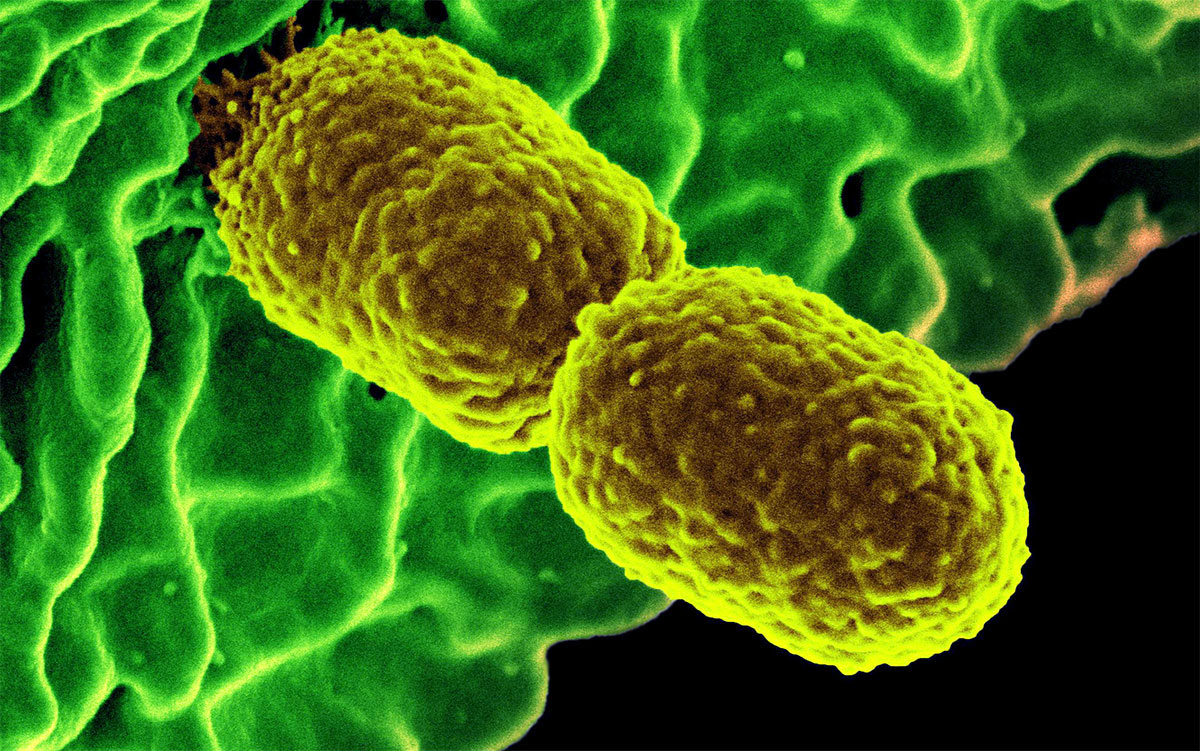
The deaths of newborns in low-resource settings have long been obscured by a fundamental diagnostic problem: clinicians rarely know which pathogen killed a child, because standard testing frequently fails to find one. Without that knowledge, prevention strategies remain blunt, treatment protocols go unchallenged, and the same deaths repeat. A new multinational study is working to change that — with findings that carry significant implications for neonatal care policy, antimicrobial stewardship, and global health security.
Published in The Lancet Infectious Diseases, the study was conducted by Muntasir Alam and colleagues through the Child Health and Mortality Prevention Surveillance (CHAMPS) network, a Gates Foundation-funded global collaboration with affiliated institutions spanning Bangladesh, Ethiopia, Kenya, Mali, Mozambique, Sierra Leone, and South Africa. The research offers one of the most granular, pathogen-specific analyses of neonatal mortality ever produced from low- and middle-income countries (LMICs): more than 80% of infection-related newborn deaths could have been prevented under current or improved facility-based conditions.
What Post-Mortem Science Reveals That Clinical Testing Cannot
The study analyzed 2,609 neonatal deaths recorded between December 2016 and December 2023 across 11 CHAMPS surveillance sites. Specimens were tested using microbial culture, PCR-based array cards, and histopathology, with causes of death adjudicated by multidisciplinary expert panels. The approach dramatically outperformed standard clinical diagnostics: in South Africa alone, conventional antemortem testing failed to identify any pathogen in up to 73% of suspected sepsis cases.
Infections were implicated in the causal pathway to death in 44% of the neonatal deaths examined, and gram-negative bacteria were responsible for nearly three-quarters of those infection-related deaths. Across all sites, was the most commonly identified pathogen, attributed to more than 40% of infection-related deaths, followed by Acinetobacter baumannii at nearly 26%, Escherichia coli at roughly 10%, and Group B Streptococcus at about 6%. Polymicrobial infections (those involving multiple pathogens simultaneously) were identified in nearly a third of infection-related deaths, underscoring the complexity of disease in neonates whose immune defenses are not yet fully developed. The study also found that infections frequently occurred alongside prematurity and birth complications, confirming that neonatal mortality is driven by cascading, interrelated vulnerabilities rather than single discrete causes.
South Africa’s Distinct Pathogen Landscape
The findings for South Africa, where surveillance was anchored in the Soweto and Thembelihle communities, diverged significantly from the broader dataset. Acinetobacter baumannii dominated the hospital-acquired infection picture, contributing to 74.3% of presumed hospital-acquired neonatal deaths at the South African site — a striking share that reflects the pathogen’s notorious capacity to persist in clinical environments and resist disinfection. Among community-acquired deaths, Group B Streptococcus was the leading culprit at 30.6%, followed by E. coli at 24.7%. South Africa was also the only site to record life-threatening fungal pathogens — specifically Candidozyma auris and Nakaseomyces glabratus — in the causal chain, a finding that signals the need for heightened fungal surveillance in neonatal units.
Modifiable factors linked to preventable deaths pointed to three primary intervention domains: infection prevention and control (implicated in roughly 51% of preventable deaths), clinical care quality (51%), and antenatal and obstetric care (42%). The local mortality burden amplifies the urgency: the neonatal mortality rate in the Soweto and Thembelihle surveillance area was estimated at 16.0 deaths per 1,000 live births (60% above South Africa’s national estimate of 10 per 1,000), well above the UN Sustainable Development Goal target of 12 per 1,000 by 2030.
“These findings indicate an urgent need to review empirical antibiotic treatment for neonatal infections,” said Professor Shabir A. Madhi, Director of the Wits Vaccines and Infectious Diseases Analytics Research Unit and lead author of the study. “The high prevalence of multidrug-resistant pathogens like K. pneumoniae and A. baumannii suggests our current standard protocols may no longer be sufficient. Alarmingly, some of these bacteria are resistant to all classes of antibiotics currently available.”
A Call to Rethink Protocols, Prioritize Vaccines, and Strengthen Surveillance
The prominence of A. baumannii in hospital-acquired deaths points directly to the need for sustained investment in healthcare-associated infection prevention programs, including hand hygiene, environmental cleaning, and device sterilization. The Group B Streptococcus burden, meanwhile, strengthens the already-growing case for accelerated maternal vaccine development and deployment. CHAMPS has committed to sharing these findings directly with South Africa’s National Department of Health to inform both antibiotic protocol reform and infection control policy.
From a global health security standpoint, the emergence of pan-resistant gram-negative bacteria and novel drug-resistant fungi in neonatal wards of LMICs represents a surveillance and containment challenge. Pathogens that evolve under selective pressure in under-resourced clinical settings do not respect geography, and the resistance profiles documented here (including bacteria resistant to all available antibiotic classes) reflect trends that are already shaping treatment failures in higher-income settings as well.
The MITS methodology itself generated actionable, high-resolution mortality data in settings where conventional autopsies are impractical, and offers a scalable model for the kind of cause-of-death surveillance that global health security frameworks urgently need. The CHAMPS network’s next challenge is translating these findings into the protocol reforms, vaccine investments, and infection control programs.
Sources and further reading:
Alam M, Lee K, Baillie V et al. Post-mortem characterisation of pathogen-specific causes of infection-related deaths in African and south Asian neonates: a prospective, observational, multicentre study. The Lancet Infectious Diseases. May 13, 2026
260514 Why Babies are Dying and How We can Stop It. University of the Witwatersrand Johannesburg. May 14, 2026