

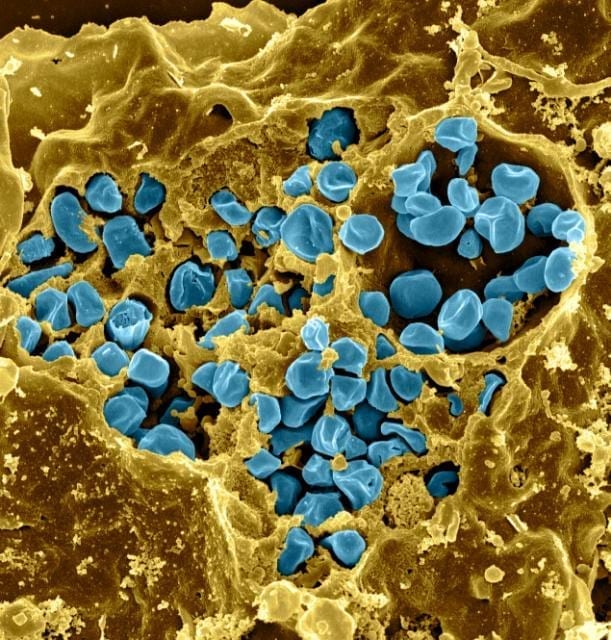
The quest for effective treatments against biological threat agents continues to yield important scientific advances, with new research shedding light on metabolic processes that distinguish the most dangerous strains of Francisella tularensis from their less virulent counterparts.
Marilynn Larson and colleagues at the University of Nebraska Medical Center report findings in the Journal of Bacteriology that reveal how hypervirulent Type A.I strains of F. tularensis — the causative agent of tularemia and a Tier 1 select agent — utilize unique metabolic pathways for survival and rapid replication. The research identifies spermidine biosynthesis as a critical fitness factor that enables these strains to salvage essential cellular components and maintain their extraordinary virulence.
Understanding Pathogen Biology to Enable Countermeasures
The study demonstrates that only the most dangerous F. tularensis strains can produce spermidine internally, while less virulent strains rely entirely on external sources. This metabolic distinction helps explain why Type A.I strains like SCHU S4 are among the most pathogenic bacteria known, requiring as few as 10 organisms to cause potentially fatal disease.
The researchers showed that spermidine synthesis allows these hypervirulent strains to salvage adenine — a critical cellular building block — while promoting faster cell division and stress tolerance. When provided with external spermidine, the dangerous strains replicate even more rapidly, suggesting they have evolved sophisticated mechanisms to exploit their intracellular environment.
Implications for Medical Countermeasure Development
These findings contribute to the growing body of research aimed at identifying vulnerabilities in biological threat agents that could be utlized for therapeutic purposes. Understanding the metabolic dependencies of hypervirulent strains provides potential targets for antimicrobial development, particularly important given the limited treatment options currently available for tularemia.
The work also underscores the importance of studying actual pathogenic strains rather than relying solely on attenuated laboratory models. The researchers noted significant metabolic differences between the hypervirulent SCHU S4 strain and the commonly used Live Vaccine Strain (LVS), highlighting how pathogen-specific research is essential for developing effective countermeasures.
The Broader Medical Countermeasures Landscape
This research represents the kind of fundamental pathogen biology work that underpins medical countermeasure development — a field that requires sustained investment and scientific attention. As global biosecurity concerns continue to evolve, understanding the unique characteristics of high-consequence pathogens becomes increasingly critical for protecting public health.
The University of Nebraska Medical Center team’s work exemplifies the intersection of basic microbiology and applied biosecurity research, demonstrating how academic institutions continue to contribute essential knowledge for national preparedness efforts.
Sources and further reading:
Yue Y, Shinde D, Moore R, et al. Spermidine biosynthesis by hypervirulent Francisella tularensis strains promotes fitness and salvages adenine. Journal of Bacteriology. April 10, 2026.