

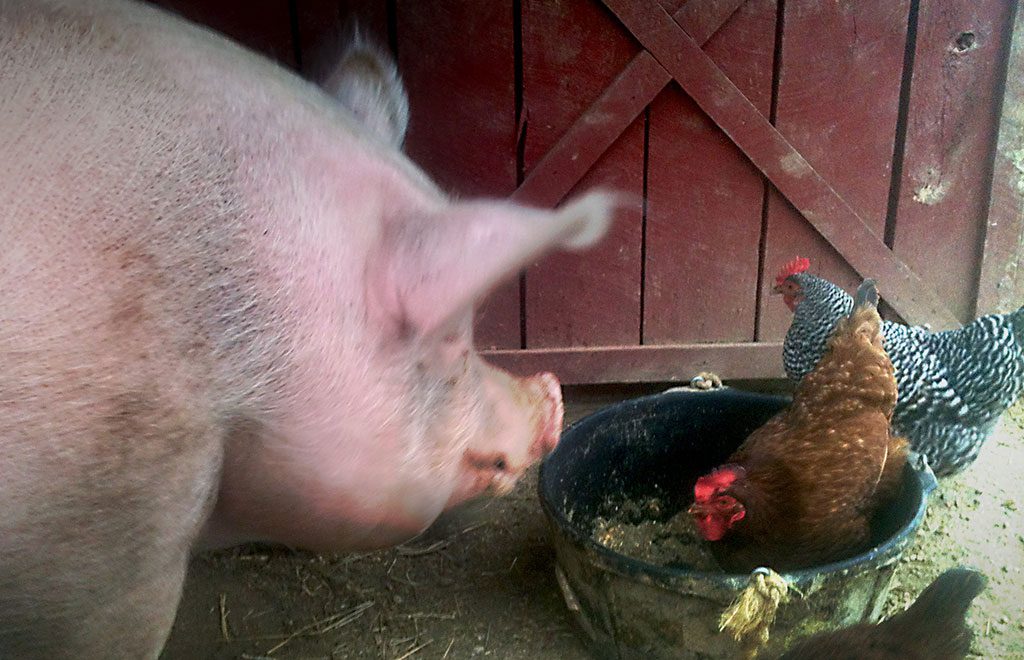
A Swiss farmer and his pig herd were simultaneously infected with the same strain of swine influenza A virus in late 2023, with whole-genome sequencing confirming zoonotic transmission between the animals and their caretaker. The findings, published in the CDC journal Emerging Infectious Diseases in June 2026 by researchers at the University of Bern, add to a growing body of evidence that the swine-human interface represents a persistent and underappreciated pathway for influenza spillover events with pandemic potential.
The outbreak was first reported on November 27, 2023, when roughly 80 percent of approximately 180 fattening pigs in a Swiss herd developed fever, apathy, and respiratory signs. The farmer, a healthy adult in his 40s or 50s with no underlying conditions and no recent seasonal influenza vaccination, had experienced a mild influenza-like illness approximately two weeks earlier. Two household members reported similar symptoms around the same time.
Genomic Evidence Confirms Pig-to-Human Spillover
Nasal swab samples collected from five pigs and the farmer were screened through a whole-genome sequencing surveillance program established by the University of Bern research team. All samples tested positive for influenza A virus. Crucially, genomic sequencing revealed more than 99.9 percent nucleotide identity across all eight genomic segments between the viruses isolated from the pigs and the farmer, providing strong molecular evidence of direct zoonotic transmission.
Phylogenetic analysis placed all study viruses within the Eurasian avian-like swine H1N1 lineage, clade 1C.2.2, consistent with previously detected Swiss sequences. The researchers also identified shared single-nucleotide variants between human and pig samples, further supporting epidemiologic linkage. No onward transmission to the farmer’s three household contacts was detected, though the authors note that the timing of sample collection limits a definitive ruling out of secondary spread.
The viral load in the farmer’s sample was lower than in the pig samples, which the authors suggest may reflect prior immunity, the timing of sample collection relative to infection onset, or host-specific biological constraints.
Antigenic Divergence Raises Vaccine Coverage Questions
A notable finding with broader public health implications concerns the antigenic profile of the detected viruses. Hemagglutinin sequences from both the pig and human samples showed multiple amino acid substitutions across key antigenic sites compared to the 2023-24 seasonal human influenza vaccine strain. Contemporary human H1N1 strains, by contrast, differed from that vaccine strain by only one or two residues.
The researchers identified one single-nucleotide variant associated with antigenic drift, suggesting the potential for limited cross-protection from human seasonal influenza vaccines among workers with occupational exposure to pigs. The authors conclude this underscores the need for targeted vaccination strategies for high-risk occupational groups, particularly those working in direct contact with swine.
One Health Surveillance at the Swine-Human Interface
The study emerged from a whole-genome sequencing surveillance program the University of Bern team established specifically to investigate the epidemiology and genetic diversity of swine influenza viruses in pig herds, with voluntary participation from farm workers experiencing respiratory illness. The authors note that Switzerland’s relatively closed pig production system, characterized by strict import regulations and minimal movement of live animals across borders, may contribute to a comparatively homogeneous swine influenza virus population, a dynamic observed in similar closed systems such as Norway.
Switzerland’s national swine influenza surveillance program currently relies primarily on partial hemagglutinin and neuraminidase gene sequences, which the authors argue limits the ability to detect emerging lineages. The study makes a case for expanding to full whole-genome sequencing as the standard for surveillance at the swine-human interface.
Pandemic Preparedness Implications
Pigs are well established as mixing vessels for influenza A viruses, capable of hosting and reassorting human, avian, and swine strains simultaneously. The 2009 H1N1 pandemic originated from a swine-origin virus, and sporadic human infections with swine influenza viruses have continued in the years since, including rare instances of limited human-to-human transmission. Each zoonotic spillover event represents an opportunity for the virus to acquire adaptations that could facilitate more efficient human transmission.
The authors emphasize that concurrent genomic and epidemiologic surveillance at the swine-human interface is essential for early detection and risk assessment of emerging strains. Identifying antigenic divergence from current vaccine strains before a novel strain achieves efficient human transmission is precisely the kind of early warning signal that pandemic preparedness frameworks depend on. The Swiss case illustrates both the value of active One Health surveillance and the gaps that remain when such programs rely on incomplete genomic data.
Sources and further reading:
Steiner J, Mwanga M, Oberholster L, et al. Concurrent Detection of Swine-Origin Influenza A(H1N1) Virus in Pigs and Farmer, Switzerland. Emerging Infectious Diseases, May 13, 2026