

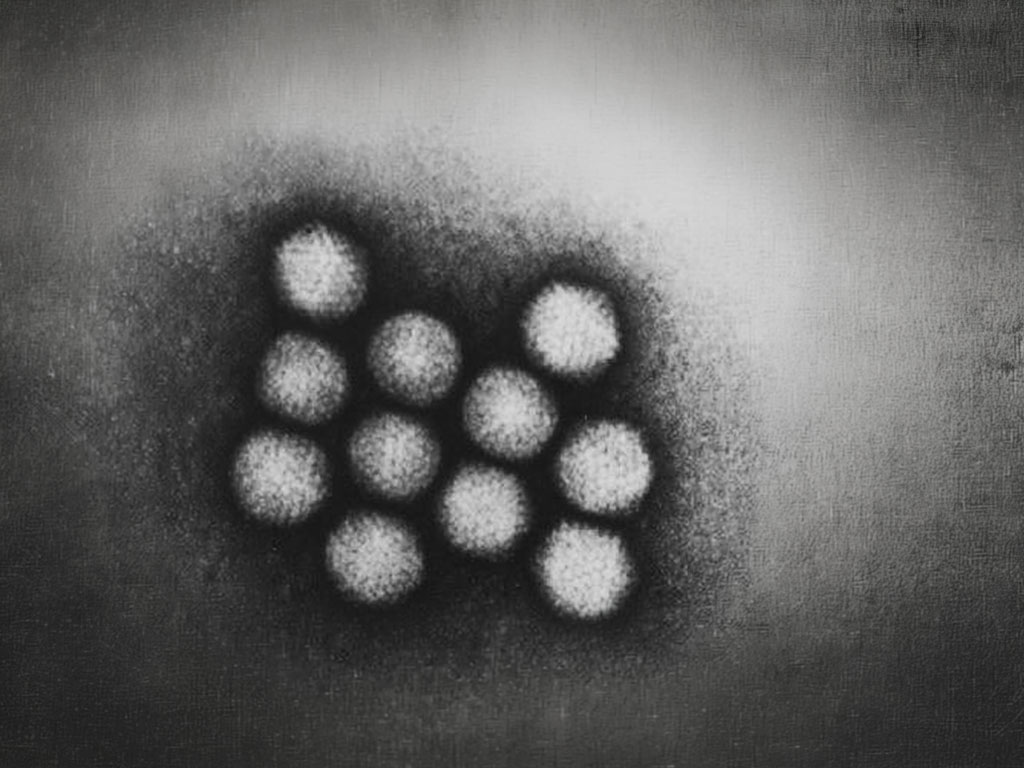
Scientists at Beijing Children’s Hospital have identified a new strain of human adenovirus in two children under five years of age who developed severe pneumonia, according to a study published in the CDC journal Emerging Infectious Diseases in June 2026. The virus, designated HAdV-B117, is a recombinant genotype, meaning it arose when two existing virus strains exchanged genetic material and produced a hybrid with potentially distinct characteristics. While both children recovered after treatment, researchers are calling for enhanced surveillance to track the new strain’s spread and assess its public health implications.
Adenoviruses are a large family of common viruses that cause a wide range of illnesses, from mild colds and conjunctivitis to severe pneumonia. Most people encounter them in childhood. Within the family, certain strains are known to cause more serious disease, particularly in young children, the elderly, and immunocompromised individuals. The strains most commonly associated with severe respiratory illness in children worldwide are HAdV-B3 and HAdV-B7, both of which have been linked to outbreaks and, in rare cases, fatalities in pediatric populations.
A New Virus Born from Two Existing Strains
HAdV-B117 emerged through a process called recombination, which occurs when two different virus strains infect the same cell and swap segments of their genetic code. In this case, the new virus inherited most of its genetic backbone from HAdV-B114, a strain that has been circulating widely in China, while acquiring its fiber gene from HAdV-B7. The fiber gene is particularly significant because the protein it encodes functions like a key, attaching the virus to the surface of human cells and determining which tissues the virus can infect. By acquiring HAdV-B7’s fiber gene, HAdV-B117 may share some of that strain’s ability to infect cells, which prior research has shown to be more aggressive than HAdV-B3.
The two cases were identified through a ten-year molecular surveillance program conducted at Beijing Children’s Hospital between 2014 and 2024, during which researchers tested 3,875 children hospitalized with acute lower respiratory tract infections. Of those, 310 tested positive for adenovirus. HAdV-B114 was the most common strain detected, accounting for more than half of confirmed adenovirus cases, followed by HAdV-B7. The two HAdV-B117 cases were identified from samples collected in December 2019, from children in two different geographic areas, Beijing and Hebei Province, suggesting the virus was not confined to a single location.
Serious Illness in Both Patients
Both children presented with high fevers exceeding 40 degrees Celsius, cough, and sputum production, and both were diagnosed with severe community-acquired pneumonia. Beyond the lung disease itself, each child developed significant complications. The first patient, a four-year-old boy, experienced liver dysfunction and a slowed heart rate, and later developed a partial lung collapse. The second patient, a three-year-old girl with a pre-existing heart condition, developed liver damage, heart muscle injury, and blood clotting abnormalities. Both received intravenous immunoglobulin, steroids, and other supportive treatments, and both ultimately recovered fully.
The clinical picture in both cases closely resembled severe pneumonia caused by HAdV-B3 and HAdV-B7, which the researchers note suggests HAdV-B117 may carry a similarly serious disease profile.
Questions About Immunity and Future Spread
One of the more consequential findings concerns how existing immunity in the population may or may not protect against the new strain. The immune system recognizes adenoviruses largely through a protein called hexon, which sits on the outer surface of the virus. Because HAdV-B117 inherited its hexon from HAdV-B114, and HAdV-B114’s hexon in turn traces back to HAdV-B3, the researchers suggest that prior exposure to HAdV-B3 or HAdV-B114 might offer some degree of cross-protection against HAdV-B117.
However, the fiber protein, which HAdV-B117 acquired from HAdV-B7, can also trigger immune responses. Because HAdV-B117’s fiber differs from that of HAdV-B3 and HAdV-B114, immunity developed against those strains may not be sufficient to block HAdV-B117 transmission. Studies have also documented generally low levels of existing immunity against HAdV-B3 and HAdV-B7 in Chinese children, meaning a substantial portion of the pediatric population may have limited protection against the new strain as well.
The researchers additionally identified structural changes in two key surface regions of the virus that, based on modeling, could affect how well neutralizing antibodies bind to it, potentially enabling the virus to partially evade immune responses. The functional implications of these changes require further experimental study.
Surveillance Gaps and the Case for Continuous Monitoring
The study’s authors emphasize that recombination is a fundamental and ongoing feature of adenovirus evolution. The majority of adenovirus genotypes identified in recent decades are recombinants, and the conditions that allow two strains to co-circulate in a population, as HAdV-B114 and HAdV-B7 were doing in China, create opportunities for new hybrid strains to emerge. The detection of HAdV-B117 in two children from different regions suggests it was not an isolated local event, though the true extent of its circulation remains unknown.
China currently lacks a dedicated national adenovirus surveillance system, a gap the researchers identify as a limiting factor in understanding how widely HAdV-B117 may have spread since 2019. Whole-genome sequencing, the method used in this study, provides a far more detailed picture of viral evolution than older partial-gene approaches, and the authors make a case for its broader adoption in respiratory pathogen surveillance programs.
Sources and further reading:
Wang J, Jing L, Duan Y, et al. Identification of Novel Recombinant Human Adenovirus Genotype B117 from Pediatric Cases, China. Emerging Infectious Diseases, May 26, 2026.