

A sitting U.S. senator and a physician who survived Ebola are sounding the alarm: cuts to American global health infrastructure are leaving the United States dangerously unprepared to detect, contain, and respond to the ongoing Ebola outbreak in Eastern Africa.
Senator Jeanne Shaheen (D-NH), Ranking Member of the Senate Foreign Relations Committee, sat down with Dr. Craig Spencer, an Ebola expert and survivor at Brown University, to discuss the outbreak and what they describe as a self-inflicted weakening of U.S. biosecurity capacity. The conversation, released this week, focuses on the Trump administration’s dismantling of U.S. Agency for International Development (USAID) programs and the downstream consequences for America’s ability to respond to infectious disease threats abroad and at home.
Intelligence Gaps and a Delayed Response
Dr. Spencer was direct in his assessment of the current outbreak’s scope and the U.S. government’s situational awareness. “I suspect that the size of this outbreak is dramatically larger and more dramatically widespread,” he said. He attributed part of the problem to severed relationships with multilateral partners, including the World Health Organization. “The U.S. learned about this a lot later than it normally would have, because we had tied and severed a lot of our relationships with these multilateral partners like the WHO, meaning that the world was flat footed, but we were even more flat footed because of this delay.”
The practical consequences are already visible. Spencer noted that the delayed response has produced a backlog in testing and that the U.S. lacks a clear picture of conditions on the ground. “We’re getting the cavalry in place, but we don’t have all the horses that we need,” he said.
Spencer also took issue with the administration’s stated priorities. He expressed concern that senior officials, including Secretary of State Marco Rubio, have framed the primary goal as keeping Ebola out of the United States. While Spencer supports that aim, he warned it gets the strategy backwards. “That cannot be subservient to the much greater and more important priority which is ending the outbreak at its source. Because the longer we allow this outbreak to go uncontrolled, the greater the risk is not just to the region but to the U.S.”
The Cost of Dismantling Long-Term Community Networks
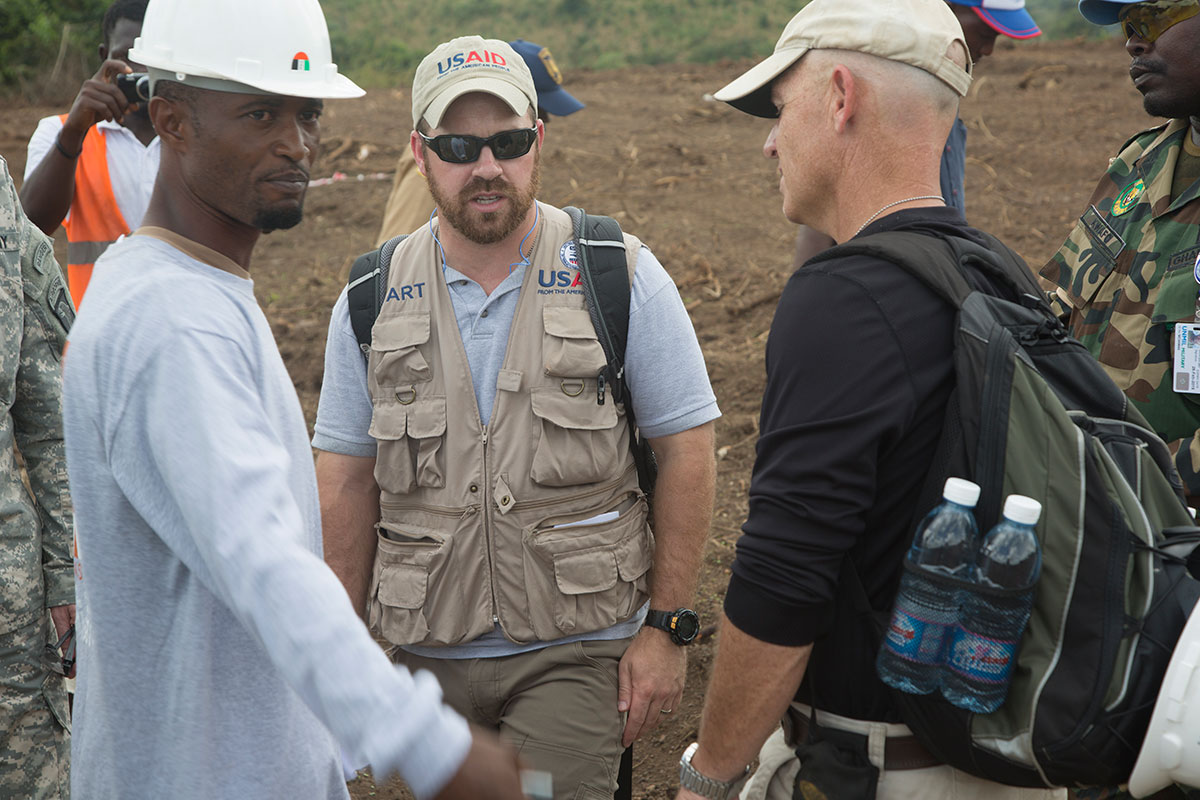
Beyond surveillance and testing capacity, Spencer highlighted a less visible but equally critical loss: the erosion of community trust that USAID personnel helped build over years of sustained engagement. “Community trust is key. It’s slower. It takes a lot of work. It’s helpful to be doing that in advance as opposed to at the time of a crisis,” he said. “I’m a doctor. I never want to meet my team in the midst of a crisis. I want to know who they are beforehand so I can trust them, and they can trust me.”
That kind of pre-positioned relationship building is now absent in key areas, Spencer argued, precisely because the USAID personnel who cultivated those networks are no longer on the ground.
Why This Matters for U.S. National Security
Senator Shaheen framed the issue in terms of both global health security and direct national interest. “Diseases don’t respect borders,” she said, drawing parallels to COVID-19. “We need to make sure that people understand that it’s in our interest here in the United States to ensure that we address those epidemics where they’re occurring, because if we don’t, then they’re coming to the U.S.”
She also noted the troubling historical context. The U.S. has direct experience with Ebola, including the 2014 outbreak that infected Spencer himself and the protracted 2018 outbreak that took years to contain. “It’s hard for me to understand why the lessons that we learned from that are being ignored as we’re looking at this outbreak and the potential for it to spread,” Shaheen said.
For public health professionals and biosecurity stakeholders, the exchange underscores a recurring concern: that dismantling the institutional infrastructure of global health engagement creates security vulnerabilities that are difficult and costly to rebuild once a crisis is already underway.
Sources and further reading:
Ranking Member Shaheen Discusses Ebola Outbreak with Ebola Survivor Dr. Craig Spencer