

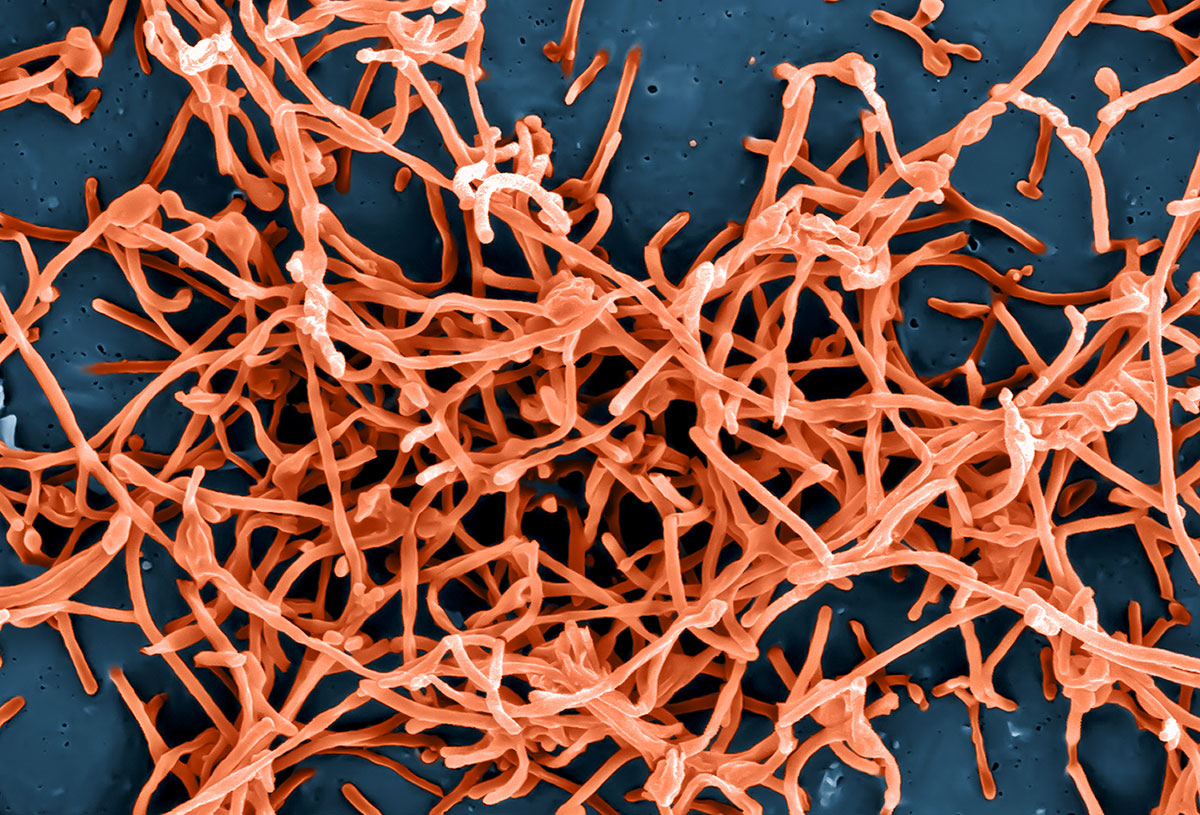
When clinicians and public health practitioners think of viral hemorrhagic fever outbreaks in the Democratic Republic of Congo, Ebola virus disease is the usual reference point. But a less commonly encountered strain within the same filovirus family, Bundibugyo virus, is now driving a significant outbreak, and its clinical profile differs enough from what responders may expect to warrant careful attention from diagnosticians and policymakers alike.
A correspondence published this week in The New England Journal of Medicine offers the first systematic clinical characterization of patients infected during the current Bundibugyo virus disease (BVD) outbreak in the DRC. The study, led by scientists from institutions including the Institut National de Santé Publique in Kinshasa and the University of Oxford, draws on individual-level patient data compiled between May 3 and June 8, 2026, offering an early but substantive window into a disease that has historically been far less studied than other filovirus infections.
Gastrointestinal Symptoms Dominate, Hemorrhage Is Rare
Of 2,351 recorded cases in the outbreak database, 505 were laboratory-confirmed by PCR testing. Confirmed cases skewed toward adults aged 20 to 39, with slightly more women than men. Among confirmed cases with recorded outcomes, 18.8% had died, compared with 10.2% among those who tested negative. The authors caution this cannot be interpreted as a true case fatality rate given incomplete outcome data.
The clinical picture from 405 confirmed patients with recorded symptoms is dominated by fever, gastrointestinal distress, and systemic illness rather than hemorrhage. Fever was present in 74.3% of confirmed patients, while vomiting and diarrhea each occurred in roughly two-thirds. Headache, difficulty breathing, difficulty swallowing, and musculoskeletal pain were also common. Hemorrhagic signs appeared in only about one in ten confirmed patients, a rate nearly identical to that seen in patients who tested negative. This has direct implications for case identification: relying on hemorrhagic presentation as a clinical signal for BVD would miss the vast majority of cases.
Patients likely to report gastrointestinal and respiratory symptoms, reinforcing that this symptom cluster, rather than bleeding, should inform clinical suspicion and triage. Viral load, measured by cycle-threshold values, was meaningfully associated with outcomes: patients who died had substantially higher viral loads than survivors, consistent with filovirus disease more broadly and potentially useful for future risk stratification.
A Seven-Day Delay Signals Diagnostic and Access Challenges
Among 129 patients with recorded symptom onset and sample collection dates, the mean delay before laboratory sampling was 7.4 days. The authors suggest this may reflect early shortfalls in diagnostic capacity, delays in care-seeking, or both. If delayed presentation is a contributing factor, it represents an actionable gap: earlier presentation improves survival and reduces the window during which patients may be shedding virus in their communities.
The BVD outbreak represents a test case for how the global health security architecture responds to high-consequence pathogens that fall outside the most-rehearsed response scripts. Bundibugyo virus, first identified in Uganda in 2007, has caused only a small number of documented outbreaks. That rarity means clinical protocols, diagnostic tools, and medical countermeasure pipelines are less mature than for Ebola virus disease, creating precisely the kind of preparedness gap that can be exploited by the unpredictability of emerging threats.
This NEJM paper underscores several priorities: investment in decentralized diagnostic capacity in outbreak-prone regions, development of standardized clinical guidance for BVD distinct from broader viral hemorrhagic fever protocols, and support for platforms such as community health worker networks that can reduce the symptom-onset-to-care gap. As the outbreak continues and test positivity remains elevated even as it declines from early peaks, its trajectory will depend in part on how quickly these structural gaps are addressed.
Sources and further reading:
Akilimali P, et al. Clinical Characteristics of Patients Infected with Bundibugyo Virus, DRC 2026. The New England Journal of Medicine. June 24, 2026.
Disclaimer: This content is for informational purposes only and does not constitute medical advice. Always consult a qualified healthcare professional for clinical guidance and treatment decisions.