

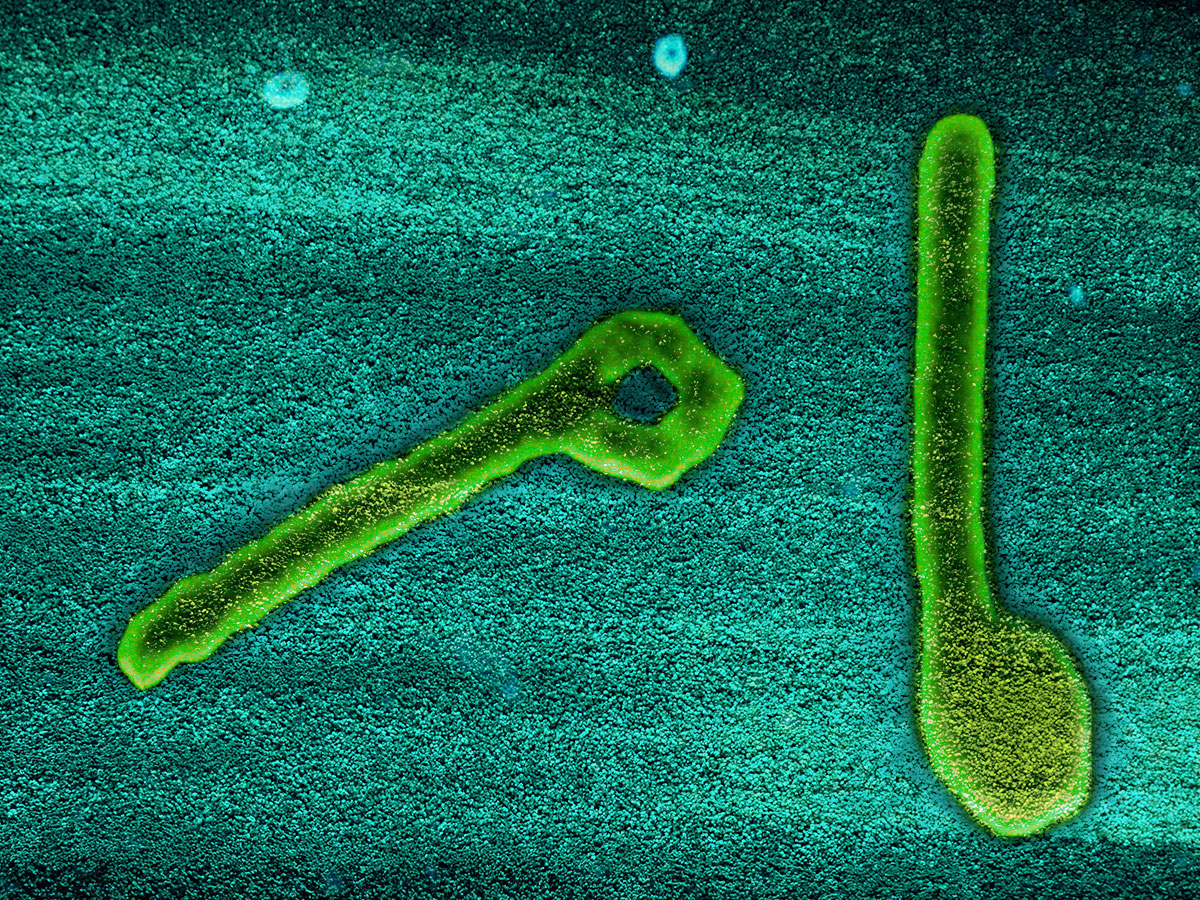
A humanitarian physician working on the front lines of one of central Africa’s most challenging Ebola outbreaks has become the first confirmed case of the disease on French soil, triggering an urgent contact tracing operation, sweeping new travel restrictions in the Democratic Republic of Congo, and a Europe-wide call to strengthen epidemic preparedness.
France’s health ministry confirmed the case on June 24, 2026. The patient, a Congolese doctor employed by the Alliance for International Medical Action (ALIMA), had been working in Ituri Province in northeastern DRC, where an outbreak driven by the rare Bundibugyo strain of Ebola was declared on May 15. He boarded a commercial flight from Kinshasa without symptoms but fell ill mid-flight. Upon arrival in France, where he is a resident, he presented at an emergency department and was immediately isolated. He is now receiving care at a specialized facility and is reported to be in stable condition.
A Rare Strain With No Vaccine or Targeted Treatment
The current DRC outbreak has infected more than 1,118 people and killed at least 291, according to government data released June 25. The Bundibugyo strain is among the rarest Ebola variants and, critically, lacks both an approved vaccine and a proven targeted treatment — complicating both the response in the field and the risk calculus for health authorities worldwide. Eighty-two health workers have been infected during the outbreak, underscoring the particular vulnerability of frontline responders.
WHO Director-General Tedros Adhanom Ghebreyesus, speaking at a news conference, called the French case “a reminder of the risks faced by frontline responders,” while cautioning against overreaction. He noted that in 50 years, fewer than 30 Ebola cases have ever been detected outside Africa. French health authorities echoed this framing, describing the risk to the broader European population as low, a position reinforced by the European Centre for Disease Prevention and Control (ECDC).
ALIMA, which has been a central actor in the DRC response since the outbreak began — helping to establish treatment centers and participating in clinical trial planning — confirmed the infection in a statement, noting that prevention protocols had been in place throughout its field operations. The organization said it was working to determine how the transmission occurred and that its field operations would continue.
Congo Tightens Exit Protocols as Contact Tracing Begins
The case prompted swift policy action in Kinshasa. A June 24 decree signed by DRC Health Minister Samuel-Roger Kamba mandates a 21-day quarantine for anyone who has been in contact with a confirmed or suspected case before any domestic or international travel is permitted. Health workers, laboratory staff, and response personnel returning from affected areas are now required to obtain prior authorization before traveling internationally. Anyone who has stayed in an affected province must spend at least 21 days outside the area before being cleared for international travel. All outbound international passengers are now required to complete a health declaration form, with airlines responsible for verifying compliance.
French authorities have launched contact tracing efforts targeting anyone who may have been exposed to the patient, including fellow passengers on the flight. Contacts identified will face 21 days of isolation and monitoring.
ECDC Calls for Sustained Investment in Preparedness
The ECDC responded to the confirmed importation by releasing a preparedness checklist for EU member states and calling on national authorities to review internal procedures to ensure rapid detection, isolation, and treatment capacity. The agency emphasized that while the risk of sustained transmission within the EU and European Economic Area remains very low, that assessment depends on effective preparedness systems being in place and maintained.
The French case follows the earlier transfer of an American physician, Dr. Peter Stafford, to Germany for treatment after he contracted Ebola in DRC. Dr. Stafford recovered fully and was released earlier in June; his family members, evacuated for monitoring, did not become ill. That case was a medical evacuation rather than an undetected importation, a distinction that makes the French case more significant from a biosecurity standpoint.
Experts note that the detection of imported cases in Europe is not unexpected given the scale of the ongoing DRC outbreak, particularly with humanitarian and public health personnel traveling regularly in and out of the affected region. The episode illustrates the persistent tension between enabling essential emergency response work and preventing cross-border transmission — a challenge that will intensify if the outbreak continues to outpace the response in Ituri.
Sources and further reading:
First case of Ebola on French soil – French Embassy in the Democratic Republic of Congo
Congo tightens travel rules after Ebola case reaches France – Reuters
As first imported Ebola case is recorded in Europe, ECDC calls on EU Member States to continue investing in preparedness – European Centre for Disease Prevention and Control (ECDC)
France Identifies Its First Case of Ebola – The New York Times
A humanitarian physician with NGO ALIMA tests positive – Alliance for International Medical Action (ALIMA)