

Routine testing of fetal bovine serum detected highly pathogenic avian influenza H5N1 virus in February 2025, revealing that the dairy cattle outbreak has created a new contamination route into laboratory supply chains. The discovery of H5N1 clade 2.3.4.4b genotype B3.13 in a pooled FBS lot demonstrates that standard biosafety testing protocols work as intended—the contamination was caught during routine adventitious agent screening required by federal regulations for animal-origin biologic products.
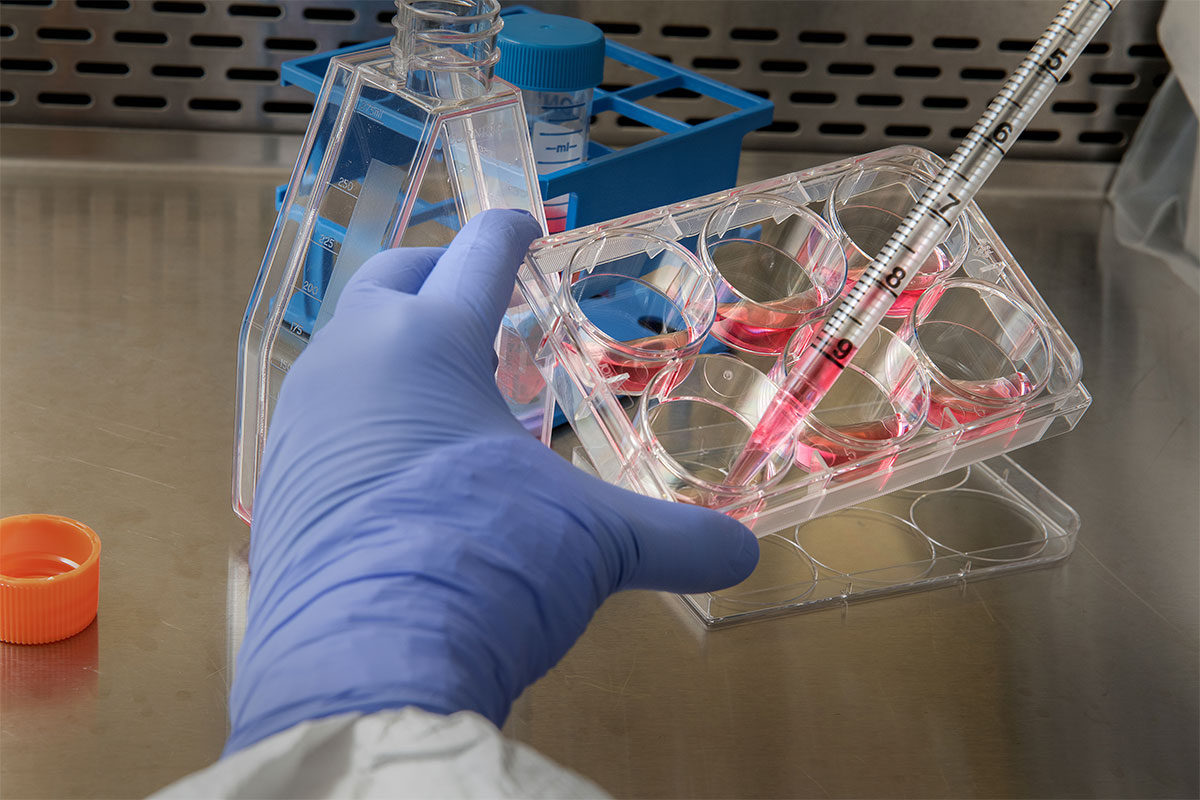
Fetal bovine serum is a growth supplement derived from the blood of fetal cattle and is the most widely used nutrient medium for growing cells in laboratory culture. Researchers rely on FBS to develop vaccines, conduct diagnostic testing, manufacture biopharmaceuticals, and perform basic research across academic and commercial laboratories worldwide. Because it is an animal-derived product, FBS is subject to federal testing requirements to ensure it does not contain unwanted viruses or pathogens that could contaminate laboratory work.
Genetic sequencing of the detected H5N1 confirmed the virus matched the strain circulating in California dairy herds in December 2024, indicating the serum was likely collected from infected cattle during slaughter. The viral load was extremely low, less than one infectious particle per milliliter. This finding prompted researchers to test additional FBS samples from California and Texas slaughterhouses. One additional positive sample was identified among 768 tested, confirming that sporadic H5N1 viremia in dairy cattle creates a potential source for serum contamination.
The key reassurance: existing laboratory safety measures already protect against this risk. Heat treatment at 56°C for 30 minutes completely inactivated the virus in controlled testing. Since most commercial FBS undergoes gamma irradiation or heat treatment as standard sterilization practice, the virus would be eliminated during routine processing. This finding suggests the existing infrastructure for serum sterilization is sufficient to manage H5N1 contamination.
The discovery does highlight a supply chain management consideration. Most FBS goes through standard sterilization without specific H5N1 verification because contamination with avian pathogens in serum was not previously a recognized concern. As the H5N1 outbreak in dairy cattle continues to expand across 19 states with over 1,000 herds affected as of December 2025, coordinated communication between serum suppliers, regulatory agencies, and laboratories could ensure consistent application of appropriate sterilization protocols.
The finding also supports emerging evidence that H5N1 causes sporadic viremia in infected dairy cattle, allowing the virus to reach different tissues. This may explain reports from some dairy farms documenting reproductive complications in infected animals, including abortion in heifers. Understanding the extent and frequency of H5N1 viremia in dairy cattle could inform both herd health management and supply chain monitoring efforts.
For laboratory and manufacturing operations, the study reinforces that current sterilization standards for FBS are appropriate. For supply chain oversight, it suggests a need for clearer communication and coordination to ensure that serum lots from H5N1-affected regions continue to receive standard sterilization treatment as part of routine quality control.
Sources and further reading:
Rebelo AR, Butler E, Nunez E, et al. Isolation of Highly Pathogenic Avian Influenza A(H5N1) Virus from Fetal Bovine Serum, United States, 2025. Emerging Infectious Diseases, July 9, 2026.
This article was researched and sourced by Global Biodefense editors and reported with Claude AI assistance for drafting and editing.