

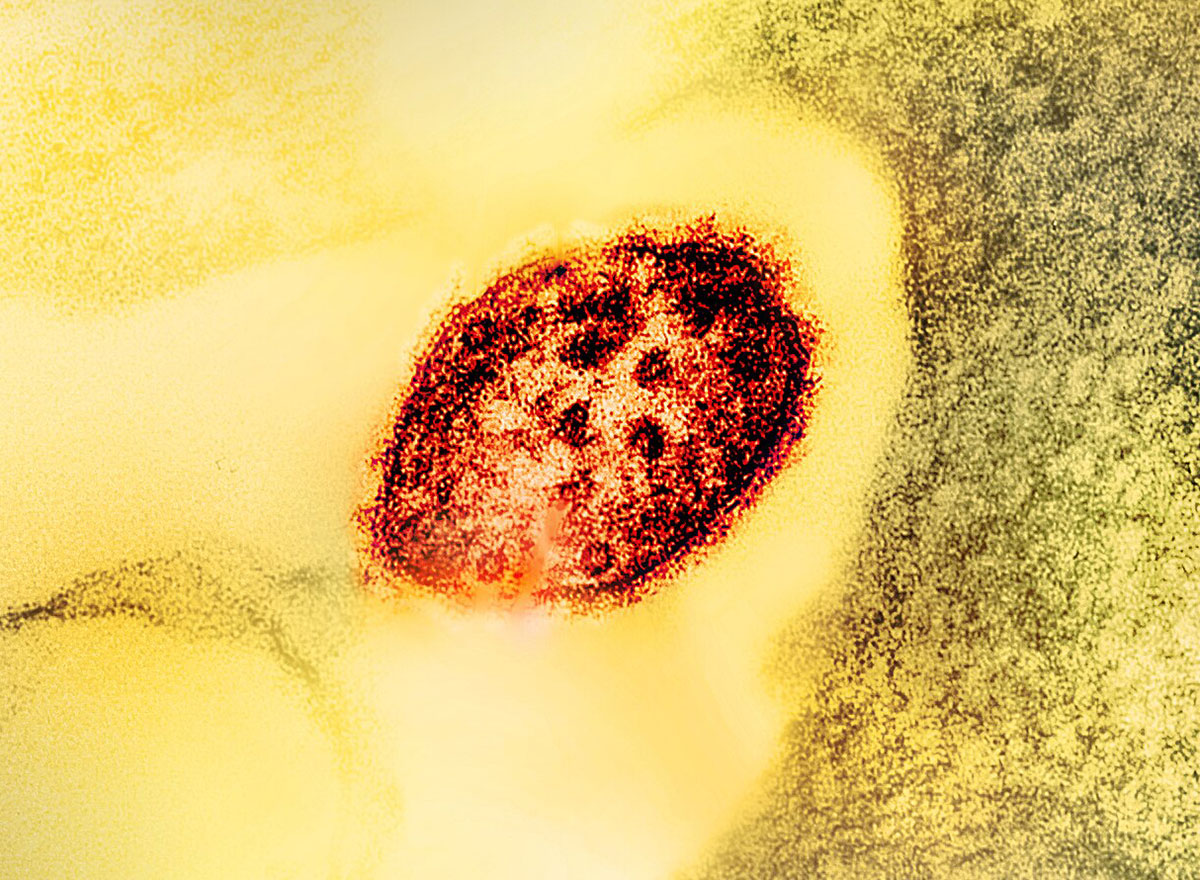
Romania recorded 22 of the European Union’s 23 pediatric measles deaths in 2024, and the World Health Organization confirmed in September 2025 that measles transmission in the country has become endemic, meaning the virus now circulates continuously rather than in isolated outbreaks. That status has held since 2015-16, making Romania a decade-long case study in what happens when a health system stops reliably reaching its population with a vaccine that has existed for more than 50 years.
A field report recently published in The Lancet built on interviews with physicians, epidemiologists, and public health officials across Romania, complicates a common narrative about vaccine-preventable disease crises. In much of the public conversation around outbreaks like this one, the assumption is that hesitant or ideologically opposed parents are the main obstacle. Romanian public health workers interviewed for the report describe something different: a system that quietly stopped functioning for a large share of families who were never firmly opposed to vaccination in the first place.
The scale of the collapse is stark. Romania confirmed more than 35,700 measles cases between 2023 and 2025, the large majority in children and teenagers, and the country alone accounted for roughly 55 percent of every measles case reported across the entire EU in 2025. National coverage with the first dose of the MMR vaccine slid from 90 percent in 2018 to 78 percent by 2024, and second-dose coverage, given around age five, fell from 81 percent to 62 percent over the same stretch, according to WHO figures. Both numbers sit well below the 95 percent threshold needed for herd immunity, and some individual counties fall far short even of the national average. At Bucharest’s Matei Balș Institute, physician Gabriel Lazăroiu Nistor described admitting roughly 30 children a day during the 2024 surge, some requiring a week or more of hospital care, including infants too young to be vaccinated who caught the virus from unvaccinated siblings or relatives.
Mureș county epidemiologist Mihai Negrea, who has worked on outbreak response there, told the Lancet that outright vaccine refusal accounts for only a small share of the parents he encounters. Most simply fall into a middle ground: not opposed, not convinced, and never given a clear explanation of why the vaccine matters. That account lines up with a 2025 Save the Children Romania survey of 29 general practitioners and community health workers overseeing more than 11,000 rural children, which pointed to red tape, understaffing, unreliable transportation, and the loss of school-based vaccination as the barriers families cited most. Romania’s national vaccine reminder system, notably, does not flag missed appointments, and clinics do not routinely call families who fail to show up.
Much of that structural weakness traces to a single policy decision. In 2015, Romania shifted responsibility for childhood vaccination entirely onto general practitioners and pulled it out of schools, eliminating a backup mechanism that had previously caught children who slipped through elsewhere. Current regulations still restrict who can administer the vaccine to GPs, constraining capacity even when local health authorities try to organize catch-up campaigns. Brașov county, which logged more than 2,000 cases and four child deaths during the 2024 wave, illustrates the scale of the shortfall: one GP serving roughly 10,000 residents there said organized vaccination pushes in her area typically reach only 20 to 30 children.
For public health planners elsewhere in watching vaccine coverage erode, Romania offers a specific and testable lesson: the collapse was not driven primarily by ideology, and the early evidence suggests it is reversible, but only through the kind of sustained, relationship-based investment that a short seasonal campaign cannot replace.
Sources and further reading
Popoviciu A. Can Romania tackle its measles outbreaks? The Lancet, August 8, 2026.
This article was researched and sourced by Global Biodefense editors and reported with Claude AI assistance for drafting and editing.