

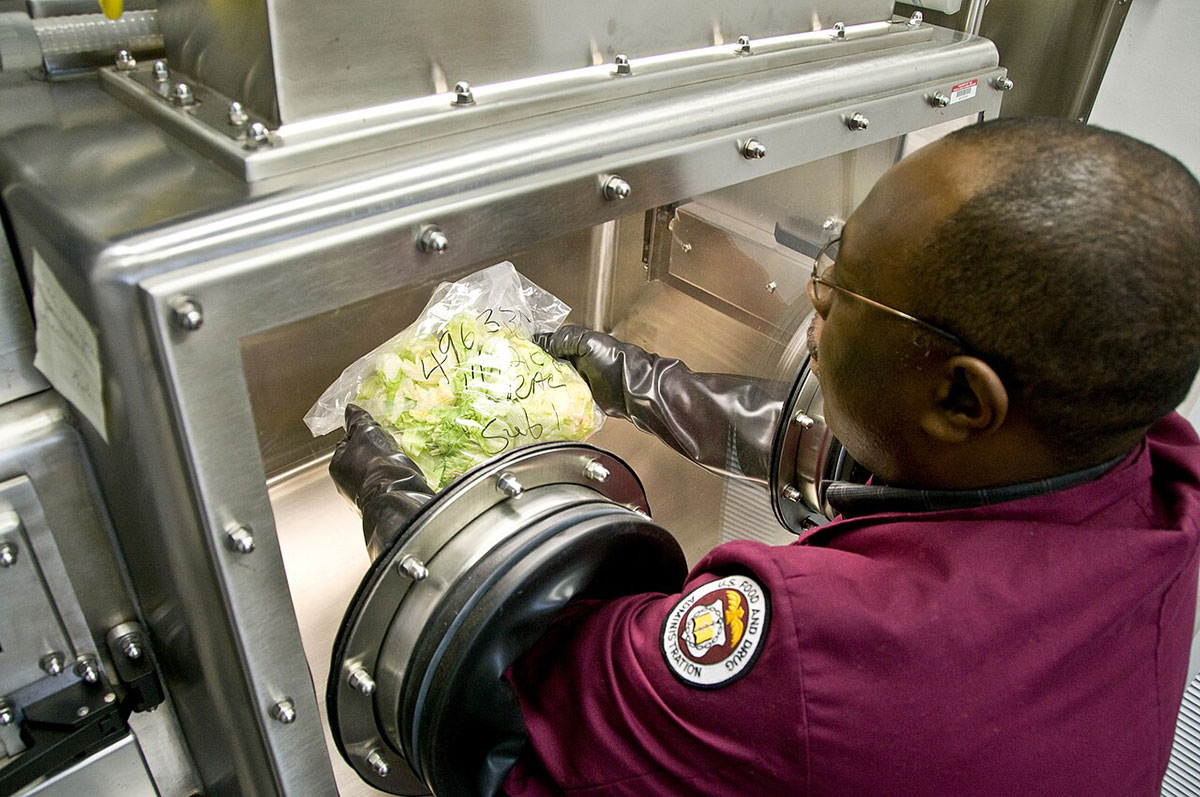
The FDA has begun inspections at Taylor Farms of Mexico after nearly 10,000 Americans fell ill from cyclosporiasis traced to the company’s iceberg lettuce. The outbreak spans 17 states, with two deaths linked to the parasite. Federal investigators arrived at the Guanajuato facility on August 13, 2026, conducting onsite inspections and environmental sampling in coordination with Mexican officials.
The official case count masks the true scale. The CDC has documented 13,895 laboratory-confirmed cyclosporiasis cases since May 1, 2026, with an additional 10,455 cases under investigation. Michigan has reported 13,909 infections and 314 hospitalizations. Beyond the Taylor Farms outbreak, the FDA is investigating six other cyclosporiasis clusters with no identified food source.
Taylor Farms also issued a separate recall this week after authorities linked a Salmonella outbreak affecting several hundred people to the company’s jalapeño peppers imported from Mexico.
The outbreaks expose systemic vulnerabilities in U.S. produce oversight. The United States imports $16.1 billion in fresh produce annually from Mexico, a volume that has grown nearly 1,500% since 1993. Yet FDA employment fell 22% in 2026 compared to 2024, and foreign food-facility inspections dropped 13% in fiscal year 2025. No uniform certification currently requires Mexican produce suppliers to demonstrate safe irrigation water before exporting to the United States, a long-standing gap food safety researchers have flagged.
The FDA told Reuters that frontline inspectors were not affected by workforce reductions, but experts emphasize that inspection delays and staffing cuts compound outbreak response challenges. Consumer Reports stated it was “alarming that it took this long for the FDA to go down there,” noting that onsite investigations provide critical insight beyond laboratory testing alone.
The inspection delay has drawn political scrutiny. Representative Robert Garcia’s July 27 letter to Taylor Farms questioned the company’s “contradictory and confusing” public statements and noted that the firm donated $1 million to a Trump super PAC one week before the administration delayed the FDA’s Food Traceability Rule until July 20, 2028. Had the rule taken effect in January 2026 as scheduled, lot-level tracking could have accelerated contamination identification and traced product distribution faster.
On August 12, the Safe Food Coalition submitted a letter to congressional leaders urging repeal of an appropriations rider that blocks FDA enforcement of the traceability rule before its delayed effective date. The coalition also called for restored CDC and state-level funding for foodborne illness surveillance.
Cyclospora cayetanensis is a microscopic parasite transmitted through fecally contaminated fresh produce. U.S. outbreaks have historically been linked to imported cilantro, raspberries, basil, and leafy greens.
Sources and further reading:
FDA Begins Inspection at Taylor Farms Mexico as Official Cyclospora Outbreak Case Count Nears 10,000 – Food Safety Magazine
Taylor Farms outbreaks show limits of US ability to safeguard produce from Mexico – Reuters
This article was researched and sourced by Global Biodefense editors and reported with Claude AI assistance for drafting and editing.