

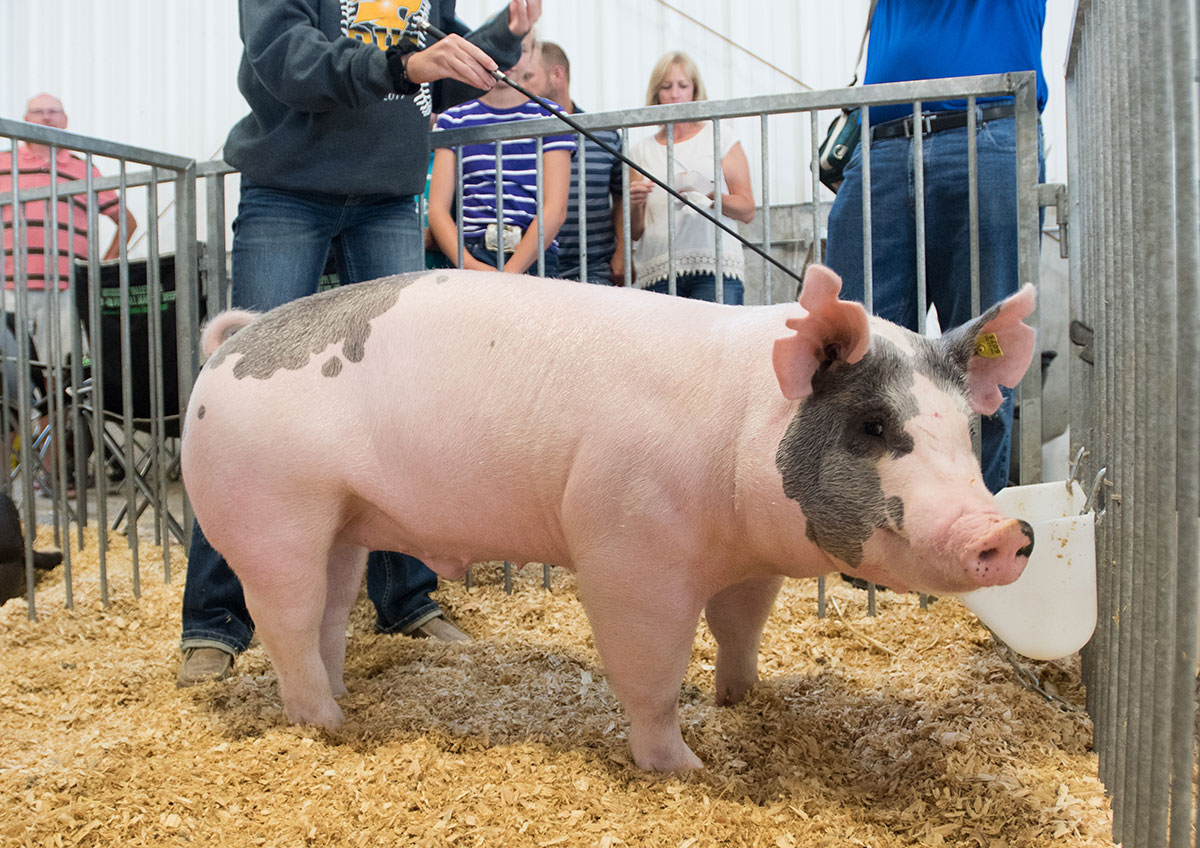
A multi-agency investigation is underway after a Michigan swine exhibitor tested positive for influenza A(H1N2)v, a rare variant influenza strain linked to exposure at a county youth fair. Michigan health authorities confirmed the case on August 14, 2026. The exhibitor had direct contact with pigs at the Kent County Youth Fair in Lowell, Michigan, which ran August 3 to 8.
The investigation began when a pig died suddenly on August 7 and others developed high fevers. The swine barn was closed and sick animals isolated. Testing confirmed swine influenza A in the animals. Within days, several fair attendees with pig exposure reported respiratory illness. Contact tracing identified the single confirmed human case, with no evidence of person-to-person transmission at the time of publication.
Authorities assessed risk to the general public as low but advised high-risk individuals, including children under five, adults 65 and older, pregnant individuals, and those with chronic conditions, to avoid swine contact.
Agricultural fairs create ideal conditions for zoonotic transmission. Animals from multiple locations bring together large numbers of exhibitors and visitors, with youth fairs particularly amplifying risk by involving children in direct, sustained pig contact. Variant influenza viruses like H1N2v cannot be distinguished from seasonal flu without laboratory confirmation at state public health or CDC facilities, creating risk of under-detection.
The Michigan case is at least the third confirmed H1N2v infection this season. Since 2010, the U.S. has recorded 44 H1N2v infections, almost all linked to agricultural fairs. A 2018 cluster of 13 cases included one without identified swine exposure, suggesting limited person-to-person transmission is possible. Michigan saw the first two U.S. human H1N2v infections in 2023, both linked to fairs.
No vaccine targets H1N2v specifically. Seasonal influenza vaccination remains recommended, and early antiviral treatment is advised for severe cases or high-risk patients.
Sources and further reading:
This article was researched and sourced by CBRNE Central editors and reported with Claude AI assistance for drafting and editing.