

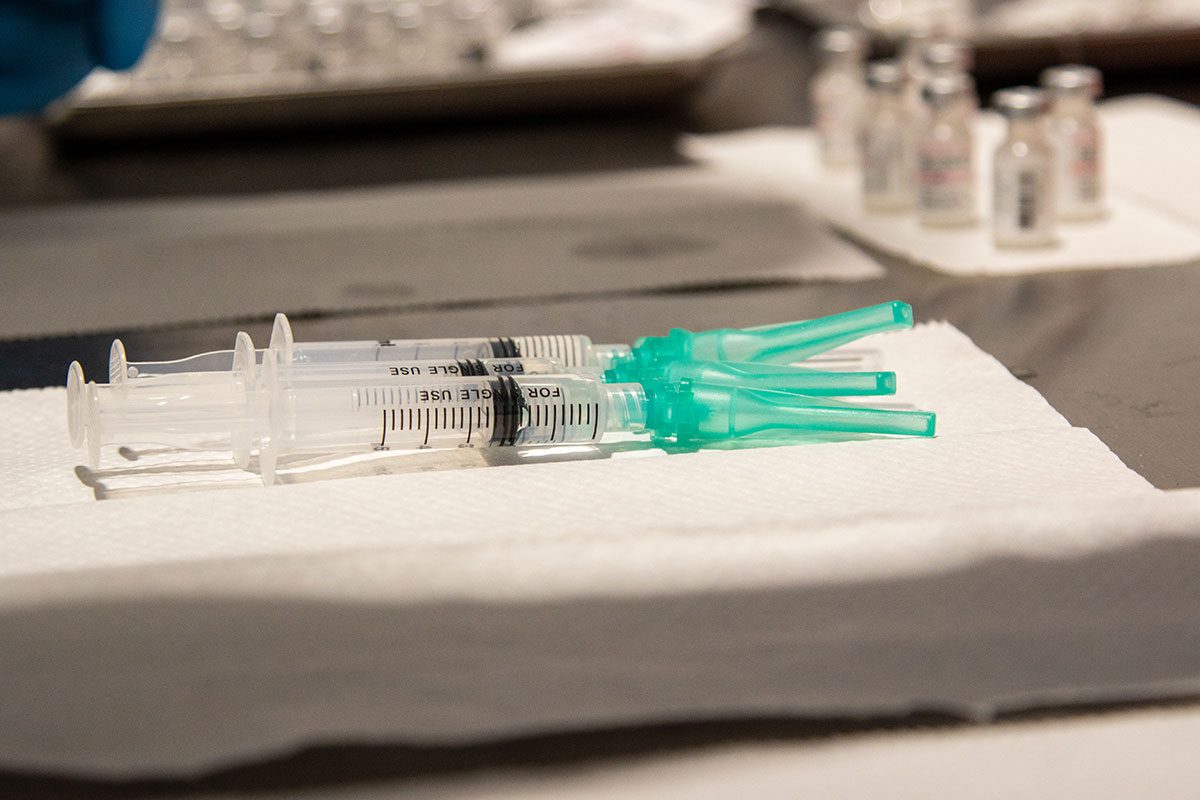
The federal government wants to lock in vaccine manufacturers now, well before the next flu pandemic arrives, rather than scramble to build production capacity after one begins. The Biomedical Advanced Research and Development Authority (BARDA) released a request for proposals on August 17 seeking companies to maintain what the agency calls warm base manufacturing capacity for pandemic influenza vaccines, a standing readiness posture that keeps production lines, seed stocks, and regulatory groundwork in place so doses can start flowing quickly once a pandemic strain emerges.
BARDA, part of the Administration for Strategic Preparedness and Response within the Department of Health and Human Services, is soliciting proposals under a program with a straightforward premise: seasonal flu vaccines protect people who already have some immunity from prior exposure or vaccination, but a pandemic strain would hit a population with essentially no existing immunity. That difference matters technically, since protecting an immunologically naive population is expected to require two doses of an adjuvanted vaccine for every age group, rather than the single dose used in a typical flu season. Meeting that need across the entire country would require producing at least 330 million vaccine regimens, or 660 million total doses, a manufacturing scale that cannot be improvised once a pandemic is already underway.
To be eligible, companies must already hold a licensed influenza vaccine in the United States, or have submitted a Biologics License Application to the FDA for one. That threshold narrows the field to established vaccine manufacturers rather than newer entrants, reflecting the program’s emphasis on proven, scalable production rather than experimental platforms. Selected contractors will maintain the ability to rapidly produce vaccine antigens, adjuvants, and seed stocks against influenza strains with pandemic potential, and to generate the clinical and manufacturing data the FDA would need to authorize doses quickly during an actual emergency, work that continues even during ordinary, non-pandemic years to keep everything ready.
The solicitation proposes multiple five year contracts, structured as indefinite delivery, indefinite quantity (IDIQ) vehicles, with tightly defined activities covering everything from producing candidate vaccine virus strains and master seed lots to formulation, fill finish packaging, long term storage and stability testing, and eventual product disposal. Contractors would be required to report manufacturing data on a near real time basis, and BARDA reserves the right to demand daily reporting during an actual public health emergency. The document also builds in provisions for donating excess vaccine doses to lower income countries and for sharing technical data across other federal agencies, including a formal pathway for the DoD’s Defense Health Agency to draw on the same manufacturing base for military needs.
The RFP also reflects lessons from recent global supply chain disruptions. It includes a dedicated cost category for tariffs, duties, and trade remedies, allowing contractors to seek reimbursement for new import costs imposed after contract award, a provision that speaks to how unpredictable trade policy has become a genuine planning variable for pharmaceutical manufacturing. Separately, the contract requires manufacturers to disclose if they sell the same vaccine to other high income countries at a lower price than they charge the U.S. government, giving the government the option to claim that lower price for itself, a fair pricing clause aimed at preventing the U.S. from systematically overpaying relative to other wealthy nations for the same countermeasures.
For biosecurity planners, the program addresses a structural vulnerability that has repeatedly surfaced during past outbreaks: vaccine manufacturing capacity is expensive to build and maintain, which creates a strong incentive for it to sit idle, or disappear entirely, between emergencies. By paying manufacturers a minimum guaranteed amount to keep production lines validated and regulatory files current, the program is designed to prevent the country from starting at zero when a novel pandemic influenza strain does eventually emerge. BARDA has structured this as a best value award based primarily on technical capability rather than lowest price, and plans to award to as many as four manufacturers to maintain redundancy across the country’s vaccine supply chain.
Proposals are due October 30, 2026, with initial questions from interested companies due August 31 and a second round of questions due September 24.
Sources and further reading:
Request for Proposals: Vaccine Medical Countermeasures for Pandemic Influenza Preparedness & Response — SAM.gov, August 17, 2026
This article was researched and sourced by Global Biodefense editors and reported with Claude AI assistance for drafting and editing.