

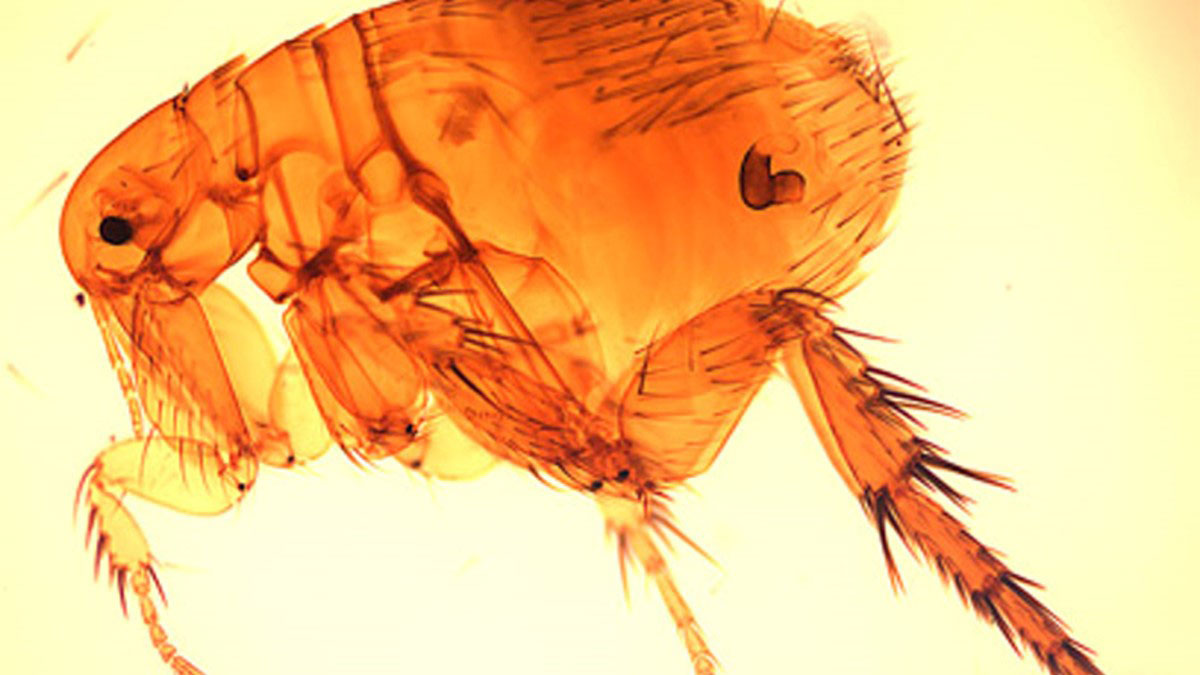
A bacterial disease spread by fleas has reached its highest recorded level in one of the most populous counties in the United States, prompting urgent warnings from public health officials. In 2025, Los Angeles County logged 220 confirmed cases of flea-borne typhus — an all-time high — with roughly nine out of ten infected individuals requiring hospitalization.
The Los Angeles County Department of Public Health announced the record figures on April 2, 2026, noting that the 2025 total represents a continued rise from 187 cases recorded in 2024. Three localized outbreaks were investigated during 2025 in Central Los Angeles, the City of Santa Monica, and the unincorporated South LA neighborhood of Willowbrook. Cases spanned patients aged 1 to 85, indicating no age group is exempt from risk.
Disease Spreads Through Infected Flea Waste, Not Direct Bites
Flea-borne typhus is caused by the bacterium Rickettsia typhi and is transmitted through the feces of infected fleas rather than through direct bites alone. People can become infected when flea dirt enters the body through cuts or abrasions, or if it contacts the eyes. In Los Angeles County, infected fleas are most commonly found on rats, free-roaming cats, and opossums. Critically, animals carrying infected fleas typically appear healthy, meaning residents may not recognize when exposure has occurred. The disease does not spread person to person.
Symptoms typically appear one to two weeks after exposure and may include fever, headache, body aches, nausea, vomiting, and rash. The condition is treatable with antibiotics, and early diagnosis is associated with better outcomes and reduced likelihood of hospitalization.
High Hospitalization Rate Signals Broader Urban Health Challenges
Flea-borne typhus had long been considered a disease of the past in developed nations, yet its resurgence in a major American metropolitan area reflects broader environmental and infrastructural factors, including urban wildlife encroachment, unhoused populations with high animal exposure, and gaps in vector control. The nearly 90 percent hospitalization rate signals that the disease is being identified late in its clinical course, compounding health system burden. If the trend continues, other high-density urban areas with similar ecological conditions may face comparable risks.
Officials Urge Year-Round Prevention Measures
County Health Officer Muntu Davis, MD, MPH, stated that the disease “can cause serious illness, but it is preventable with simple steps,” and urged residents to use year-round flea control on pets, avoid feeding or handling stray animals, and secure their properties against wildlife.
Public health officials recommend the following practical measures: applying EPA-registered flea repellents and veterinary flea control products routinely; keeping pets indoors as much as possible; removing outdoor pet food sources; sealing crawl spaces and entry points that could shelter rodents or opossums; and maintaining tightly lidded trash containers. Residents who observe stray animals or rodent activity near their properties are encouraged to report it to local animal control.
Additional information is available through the Los Angeles County Department of Public Health and the U.S. Centers for Disease Control and Prevention