

A routine scientific report documenting the effectiveness of COVID-19 vaccines has been blocked from publication by the CDC’s interim director — the latest sign of deepening tensions between public health science and political leadership at the agency. The development, first reported by The Washington Post and confirmed to NPR by the Department of Health and Human Services, has sparked congressional alarm and renewed questions about the CDC’s independence at a critical moment in its institutional history.
The report in question found that COVID-19 vaccines reduced the risk of hospitalization by more than half over the past winter season, according to a former CDC official who reviewed a final draft of the paper and spoke anonymously, citing fear of retaliation. Interim Director Jay Bhattacharya — who also currently leads the National Institutes of Health — raised objections to the methodology used to calculate vaccine effectiveness, despite the fact that the CDC has employed that same methodology for years.
A Suppressed Study Draws Congressional Fire
The decision to block the paper has drawn swift condemnation from lawmakers. Senator Richard Blumenthal (D-CT) sent a formal letter to Bhattacharya accusing the administration of attempting to “hide evidence of the enormous benefits vaccines provide to the American people.” Blumenthal has also demanded that emails and draft versions of the study be turned over to the Senate for investigation.
The suppression of a peer-reviewed scientific report on vaccine effectiveness is significant beyond the immediate political controversy. For public health professionals, vaccine effectiveness data informs clinical guidance, immunization policy, and public communication strategies. Withholding such findings — particularly during an ongoing measles outbreak — raises concerns about the integrity of the agency’s scientific output under the Trump-Vance Administration and the downstream effects on population health decisions.
Erica Schwartz Nominated, but CDC Independence Remains in Question
The longer-term trajectory of the agency depends in part on who ultimately leads it. Last week, President Trump nominated Dr. Erica Schwartz as the next permanent CDC director. Schwartz served as deputy surgeon general during Trump’s first administration and as chief medical officer for the U.S. Coast Guard, and she has earned broad respect from former colleagues across party lines.
Notably, Schwartz has publicly stated that vaccines are an important tool in public health — a position that could put her at odds with Health Secretary Robert F. Kennedy Jr., a longtime vaccine skeptic. That tension was on full display this week during a House Energy and Commerce Committee hearing, when Rep. Raul Ruiz (D-CA) pressed Kennedy directly on whether he would allow Schwartz to issue vaccine guidance without interference.
Kennedy declined to make that commitment.
The exchange was shadowed by the fate of Schwartz’s predecessor. Dr. Susan Monarez, the last Senate-confirmed CDC director, was fired by Kennedy less than a month into her tenure. Monarez has said she refused Kennedy’s demands that she pre-approve changes to the vaccine schedule; Kennedy has offered a different account. The episode has left serious doubts among public health professionals about how much operational independence any incoming CDC director would actually hold.
Schwartz’s confirmation process is expected to take several months. In the interim, Bhattacharya will continue in dual leadership of both the CDC and NIH.
Disease Detectives Persevere Amid Institutional Uncertainty
Not all the news from Atlanta is grim. This week, the CDC’s Epidemic Intelligence Service (EIS) held its annual conference marking the program’s 75th anniversary — a milestone that carries added meaning after the program narrowly survived cuts proposed by the Department of Government Efficiency (DOGE) last year.
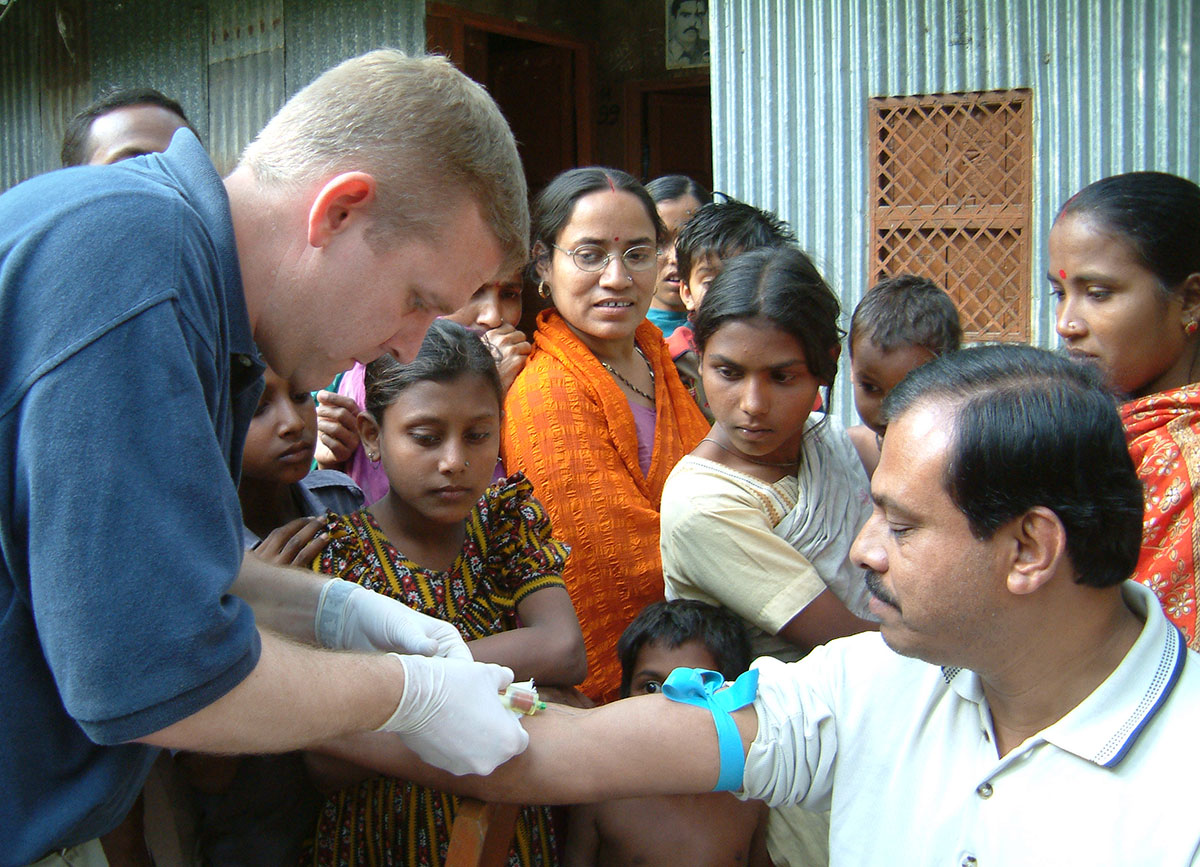
The EIS, often called the CDC’s “disease detective” program, trains and deploys epidemiologists to investigate outbreaks domestically and abroad. Conference presentations this year covered measles detection, infant botulism outbreaks, and bat-related exposure risks. Recent field deployments have taken EIS officers to investigate invasive Group A Streptococcus cases in Hawaii, diphtheria in Micronesia, and drug overdoses in Arizona.
EIS Chief Dr. Eric Pevzner acknowledged ongoing resource constraints but expressed cautious optimism. “Would I like more money to hire more officers? Of course,” Pevzner said. “But right now we’re still doing everything that we’ve always done.”
The durability of programs like EIS stands in contrast to the broader instability gripping the agency. As the CDC navigates leadership transitions, budget pressures, and politically charged scientific disputes, the resilience of its frontline programs may be among the few stabilizing forces the agency has left.
Sources and further reading:
CDC won’t publish report showing covid shots cut likelihood of hospital visits – Washington Post
A look at the latest developments at the CDC – NPR
Blumenthal Presses Acting CDC Director on Interference in Publication of COVID-19 Vaccination Report – Senate.gov
CDC blocks publication of report showing COVID vaccine efficacy – CIDRAP
Controversial NIH director now in charge of CDC, too, in RFK Jr. shake-up – ARS Technica