

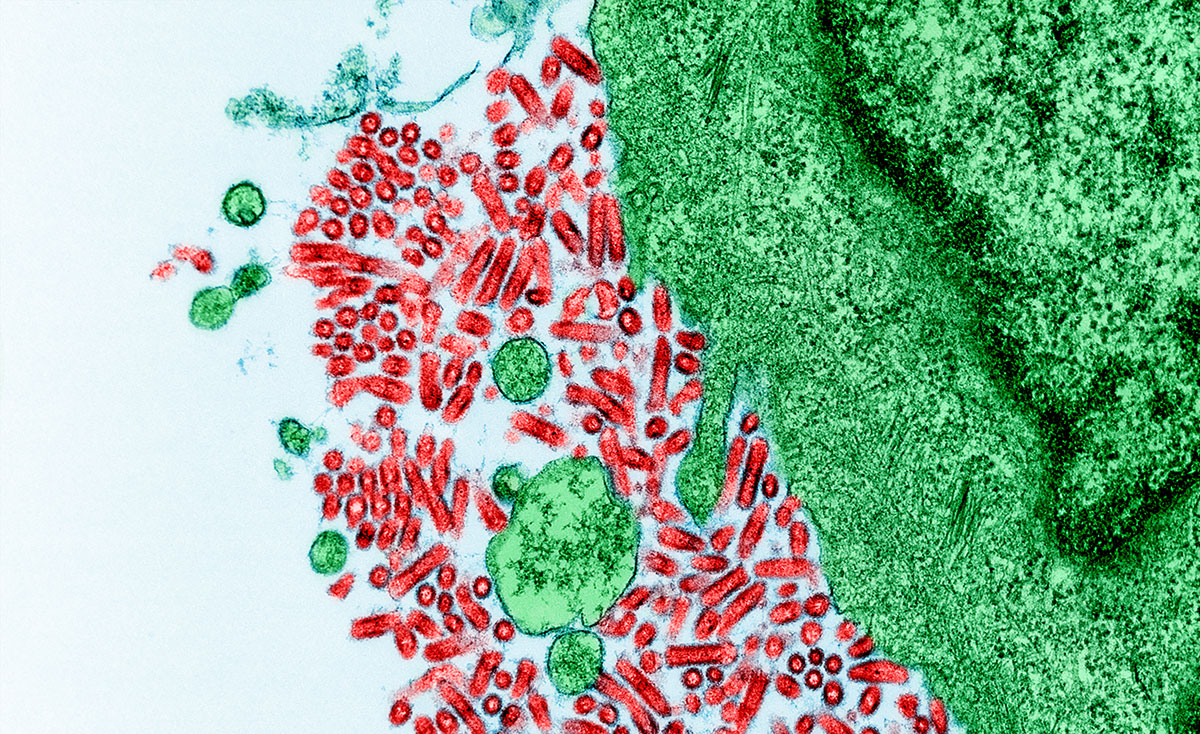
Rabies kills roughly 70,000 people worldwide per year, the vast majority in low- and middle-income countries where the disease is simultaneously most prevalent and least monitored. The cruel paradox of neglected zoonotic diseases is that the populations bearing the greatest burden are often the least equipped to detect, confirm, and respond to outbreaks. A new study from researchers at the U.S. Centers for Disease Control and Prevention and partner institutions suggests that machine learning may offer a practical path around that constraint.
Published in Scientific Reports, the study by federal researchers from the CDC’s Poxvirus and Rabies Branch describes a computational framework designed to identify animal rabies transmission zones in Haiti without relying exclusively on laboratory confirmation. Funded through the Global Health Security Agenda, the work draws on data from Haiti’s national animal rabies surveillance program and represents a collaboration with the Haiti Ministry of Agriculture and the UK-based nonprofit Mission Rabies.
Training an Algorithm Where Labs Are Sparse
The methodological core of the study is an extreme gradient boosting (XGB) model, a machine learning technique well-suited to datasets where confirmed case data is limited and unevenly distributed. Researchers trained the model on surveillance records from Haiti, pairing it with spatiotemporal clustering and trend analysis to evaluate rabies risk across broad geographic areas. The goal was to generate actionable risk assessments even in communities where no diagnostic infrastructure exists to produce the laboratory-confirmed data that conventional surveillance systems depend on.
The model’s performance metrics were strong. It achieved an accuracy of 0.98 and a specificity of 0.99, meaning it was highly reliable in correctly identifying areas as high-risk. Sensitivity reached 0.78, reflecting the inherent challenge of detecting cases in data-sparse environments, and the negative predictive value was essentially perfect at 1.0, suggesting the model was nearly flawless at ruling out low-risk areas. In practice, the framework identified 20 high-risk rabies clusters in total, a 40% increase over what laboratory-confirmed data alone revealed. Critically, eight of those clusters were located in communities with no prior diagnostic infrastructure, populations that had previously been invisible to the surveillance system entirely.
Blind Spots Transformed Into Monitoring Zones
The public health significance of that 40% gap is difficult to overstate. Surveillance systems that miss four in ten high-risk transmission zones are not just incomplete; they are actively misleading to policymakers who rely on reported case counts to allocate vaccines, dispatch field teams, and trigger response protocols. In the context of rabies, where post-exposure prophylaxis is virtually 100% effective but must be administered before symptom onset, delays in outbreak detection translate directly into preventable deaths.
The trend analysis component of the framework adds a layer of operational utility that static risk mapping cannot provide. By enabling real-time monitoring of clusters with significantly changing disease and surveillance status, the system allows public health authorities to distinguish between stable endemic transmission and accelerating spread, a distinction that is essential for calibrating response intensity and resource deployment.
The authors note several important caveats. The model was developed and validated in a specific national context, and its generalizability to other low-resource endemic settings has not yet been tested. Sensitivity at 0.78, while meaningful given the data environment, still leaves some genuine risk areas undetected. The framework also depends on the continued operation of at least some baseline surveillance inputs; it supplements, rather than fully replaces, field investigation capacity.
A Blueprint for Global Health Security Infrastructure
The Global Health Security Agenda, which funded the Integrated Bite Case Management program underlying this research, was designed in part to address the surveillance capacity gaps that allow zoonotic diseases to spread undetected before international response mechanisms can engage. A validated, computationally accessible framework for outbreak detection in low-resource settings is precisely the kind of tool that GHSA capacity-building efforts need to translate into durable national infrastructure.
Laboratory confirmation will remain the gold standard for disease surveillance, but in settings where that standard is structurally unattainable, the choice is not between imperfect surveillance and perfect surveillance. It is between imperfect surveillance and no surveillance at all. This study makes a credible case that machine learning frameworks, rigorously trained and transparently validated, can serve as a meaningful bridge.
Keshavamurthy R, Blanton J, Orciari L, et al. Biosurveillance and early outbreak detection of rabies in settings with limited laboratory capacity using spatiotemporal clustering and a machine learning framework. Scientific Reports. 28 May 2026
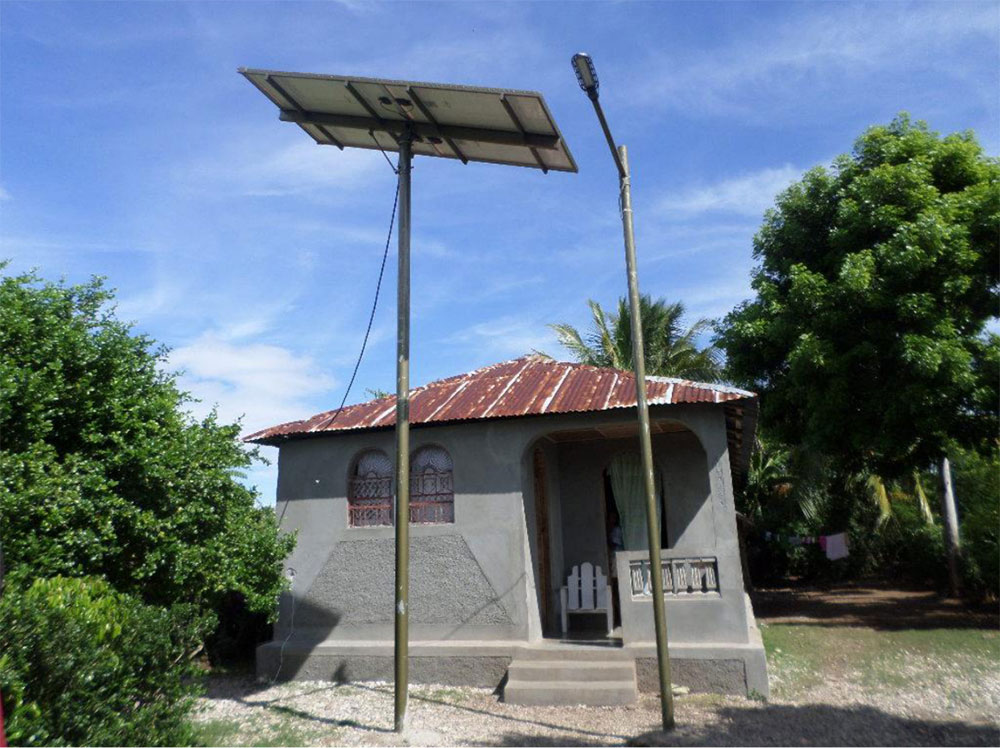
Image credit: Solar-powered rabies vaccine storage image via Control of Dog Mediated Human Rabies in Haiti: No Time to Spare