

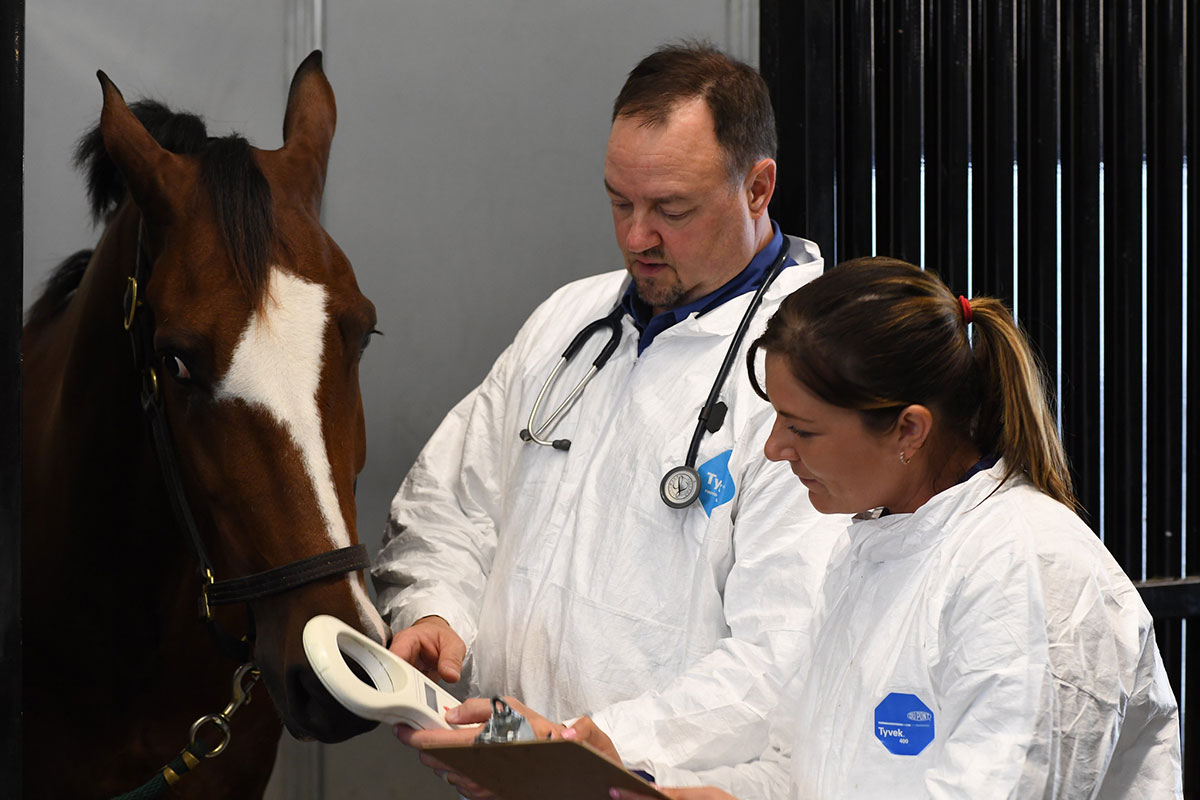
A coalition of 20 scientific societies, research institutions, and agricultural stakeholders has sent a formal letter to Congress urging significantly increased appropriations for the U.S. Department of Agriculture’s Animal and Plant Health Inspection Service (APHIS) in fiscal year 2027. The letter, coordinated through the American Association of Veterinary Medical Colleges (AAVMC), requests $400 million for animal health programs and $390 million for plant health programs — along with targeted funding for several critical infrastructure components that the groups say remain dangerously underfunded.
The signatories include major professional bodies such as the American Veterinary Medical Association, the Entomological Society of America, the National Association of State Departments of Agriculture, and a range of crop and weed science societies. Together, they argue that APHIS programs are foundational to both agricultural security and broader national biosecurity interests.
Invasive Pests, Foreign Animal Diseases, and the Cost of Under-Preparedness
The letter points to the substantial economic stakes of plant and animal health protection. Managing invasive insect pests in North America already costs more than $27.3 billion in goods and services annually, with additional human health impacts estimated at $2.06 billion — figures the coalition describes as conservative and growing. Prevention, the letter argues, is far cheaper than response.
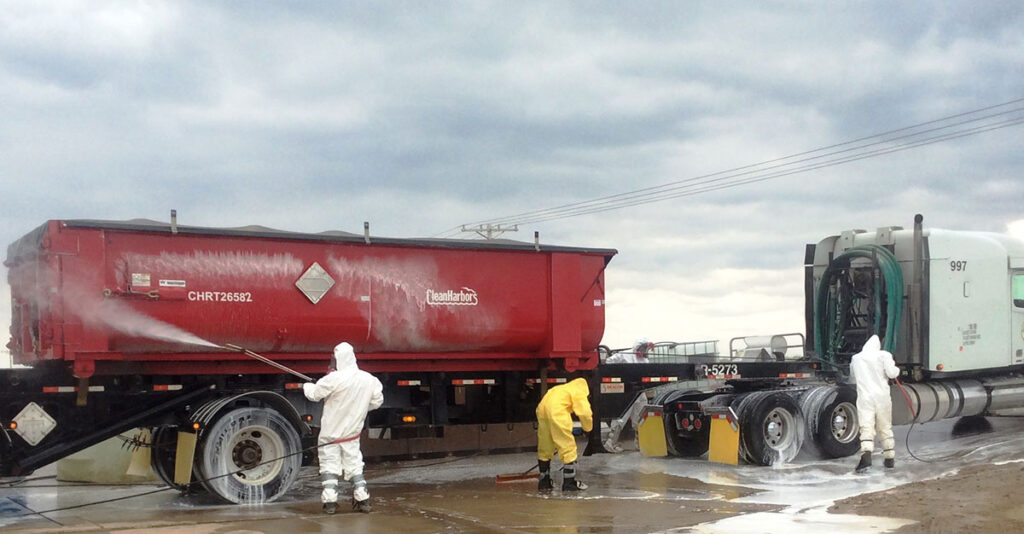
APHIS’s Plant Protection and Quarantine (PPQ) program, which the letter describes as “Farmland Security,” intercepted 289,855 prohibited agricultural items and 3,008 quarantine-significant pests during baggage inspections in 2024 alone. In one notable recent case, APHIS intercepted a vessel arriving from Asia that carried a swarm of bees, two mite species, and two viruses — none of which are currently present in the United States. Such interceptions illustrate the constant pressure on border biosecurity infrastructure.
A Critical Facility Still Not Fully Online
One of the letter’s most pointed concerns involves the National Bio and Agro-Defense Facility (NBAF) in Manhattan, Kansas. Built by the Department of Homeland Security to replace the aging Plum Island Animal Disease Center off the coast of New York, NBAF was designed to serve as a modern, BSL-4-capable facility for foreign animal disease research, diagnostics, and training. NBAF construction was completed in December 2022, but the facility remains neither fully operational nor fully staffed.
Given active threats including highly pathogenic avian influenza (HPAI) and the ongoing risk of New World Screwworm incursion, the coalition calls bringing NBAF fully online a top priority.
The groups also request $45 million for the National Animal Health Laboratory Network (NAHLN), which has been authorized at $30 million since 2012 but currently receives only $24.9 million from a patchwork of APHIS, NIFA, and Farm Bill sources. NAHLN serves as the country’s primary early warning system for emerging and foreign animal diseases — including zoonotic threats such as bird flu.
Why Stable Funding Matters Beyond Agriculture
The coalition also requests flat, stable funding for APHIS’s Biotechnology Regulatory Services (BRS) and Veterinary Services (VS) divisions, citing their roles in ensuring viable regulatory pathways for biotech innovations and protecting the nation’s animal health infrastructure.
The breadth of this funding request reflects a broader truth about agricultural biosecurity: disruptions to plant and animal health have cascading effects on food security, trade, rural economies, and human health. Zoonotic diseases in particular represent an area where agricultural surveillance systems and public health infrastructure intersect directly. An underfunded NAHLN or a non-operational NBAF is a gap in the country’s overall health security architecture.
Sources and further reading:
Priority Letter supporting FY 2027 Appropriations for USDA/APHIS – American Association of Veterinary Medical College