

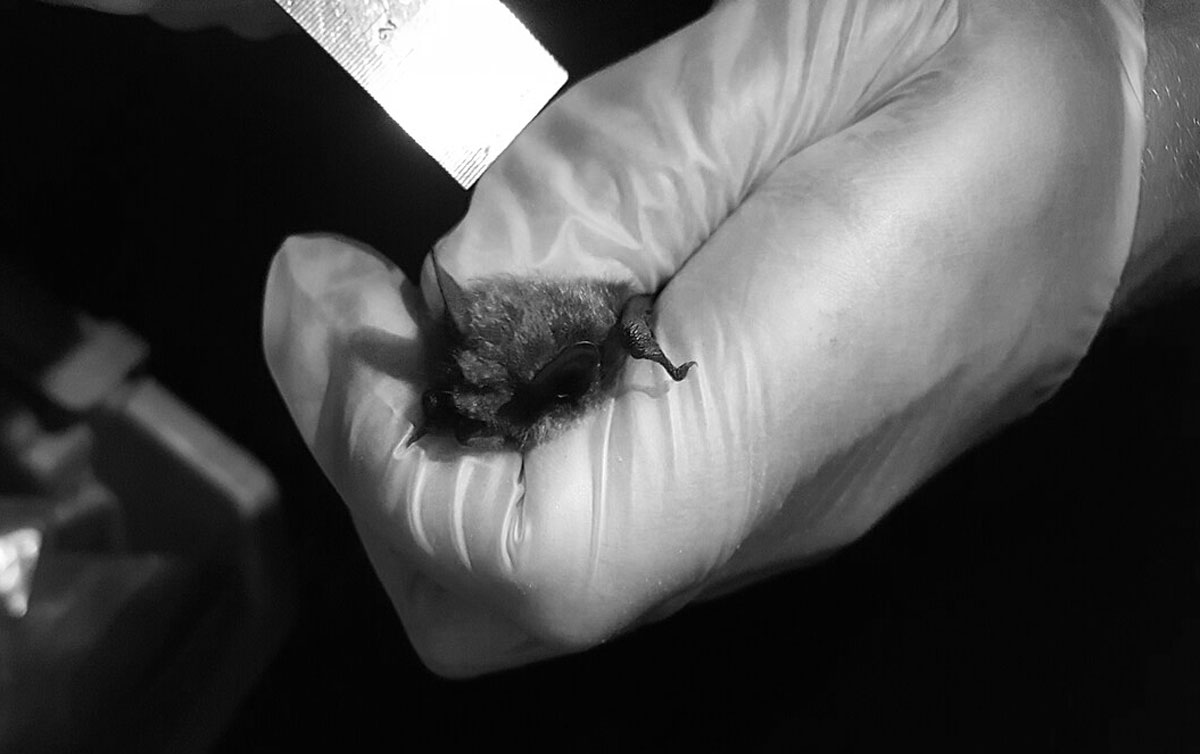
A family’s summer cottage stay in northern Ontario ended in tragedy after their 11-year-old son woke in the middle of the night to find a bat resting on his nose and mouth. The boy swatted the animal away; his father caught it in a pot and released it outside. Because the child showed no visible bite marks and the bat did not appear to be acting strangely, the family did not seek medical attention. Nineteen days later, the boy developed facial numbness and swelling. He died 17 days after being hospitalized.
The case, which occurred in 2024, was documented in a report published June 29, 2026, in the Canadian Medical Association Journal (CMAJ). Authored by clinicians at McMaster Children’s Hospital and McMaster University, the paper describes Ontario’s first locally acquired fatal rabies case since 1967 — and only the 28th human rabies death recorded in Canada since 1924. The family consented to publication, hoping their son’s story would help prevent future deaths.
A Diagnostic Puzzle That Masked a Fatal Infection
The boy’s initial symptoms — progressive right-sided facial numbness, swelling, and difficulty swallowing — led clinicians at an urgent care clinic to suspect Bell’s palsy secondary to herpes simplex virus. He was prescribed valacyclovir, but could not tolerate it. On his first emergency department visit, he was sent home with a presumed diagnosis of herpes gingivostomatitis.
When the boy returned to the hospital with new facial weakness, slurred speech, fever, confusion, and visual hallucinations, he was admitted to the pediatric intensive care unit (PICU), intubated for airway protection, and seen by the infectious disease service. Clinicians immediately suspected rabies. Salivary polymerase chain reaction (PCR) confirmed the diagnosis four days into his hospital stay, and the Canadian Food Inspection Agency identified a bat rabies virus variant.
The care team considered intraventricular rabies immune globulin administered through a surgically implanted reservoir, as well as an experimental adeno-associated virus gene therapy, but neither was pursued due to limited availability, lack of proven efficacy, the patient’s rapid neurological decline, and the family’s wishes. No established efficacious therapy exists once rabies symptoms develop. The boy died with his family at his bedside, 17 days after admission.
Why Any Bat Contact Requires Immediate Action
The case underscores a critical and potentially lethal gap in public awareness: the absence of a visible wound does not mean a bat exposure is safe to ignore.
“Any direct human contact with a bat, even in the absence of a visible bite or scratch, is an indication for PEP and should be discussed with public health authorities,” wrote Dr. Brian Hummel, a pediatric infectious disease specialist at McMaster Children’s Hospital and one of the authors of the report. Bat bites and scratches are often too small to see, and the animals may not exhibit the erratic behavior commonly associated with rabies infection.
Post-exposure prophylaxis (PEP) — a series of rabies vaccines combined with human rabies immune globulin injections — is highly effective at preventing death if administered promptly, before symptoms emerge. A systematic review cited in the paper found only 122 rabies cases among PEP recipients between 1980 and 2022, despite an estimated 29 million people receiving PEP annually during that period. Most failures were linked to delays in seeking care, errors in administration, or immunosuppression.
A Timely Warning as Bat Encounters Peak in Summer
The authors emphasize that the summer months bring heightened risk, as warmer temperatures increase human-bat contact. In North America, bats are the most common source of human rabies, alongside raccoons, skunks, and foxes. Rabid bats may or may not display unusual behaviors such as daytime activity, difficulty flying, or resting on surfaces where they would not normally be found.
For clinicians, the authors urge a proactive approach: patients presenting with progressive neurological symptoms should be asked about any recent contact with potentially rabid animals, even if that contact seemed minor or occurred weeks earlier. Negative laboratory test results do not rule out rabies infection, and clinical judgment should drive repeat testing when suspicion is high.
Human rabies remains extremely rare in Canada, but when it occurs, the outcome is almost invariably fatal. PEP, initiated promptly and in coordination with regional public health authorities, remains the only reliable means of prevention.
Sources and further reading:
Sreeram P, Saini N, Choong K, et al. Fatal rabies in a child. Canadian Medical Association Journal, June 29, 2026