

A newborn camel dying of a gut infection in Central Asia, a bloodstream infection in China caused by a bacterium once dismissed as harmless, and a sheep vaccine trial in West Africa might seem unrelated. Together, they illustrate a point infectious disease researchers keep making with growing urgency: the health of livestock, wildlife, and companion animals is inseparable from human health, and the pathogens crossing between them are becoming harder to ignore.
That is the core message of an editorial published in Frontiers in Cellular and Infection Microbiology, summarizing perspectives in veterinary and zoonotic infection. Written by researchers from the Canadian Food Inspection Agency’s National Centre for Foreign Animal Disease and Rowan University, the editorial synthesizes ten studies on bacterial and viral pathogens at the veterinary-human interface, covering virulence mechanisms, antimicrobial resistance, host-pathogen dynamics, and disease-control strategies.
Bacterial threats old and new
Several studies examine how bacteria succeed inside animal hosts. One team analyzing avian pathogenic E. coli in infected chicken embryos found that survival hinged on the bacterium’s ability to compete for nutrients and iron, rather than any single virulence gene, pointing to bacterial metabolism as a potential intervention target. Others documented pathogens expanding their reach: a case out of China marks what researchers describe as the earliest documented human death from a bloodstream infection tied to Macrococcus caseolyticus, a staphylococcus relative long assumed to pose little clinical danger; sequencing the isolate’s genome turned up a surprising array of genes tied to both drug resistance and disease-causing potential.
The collection also underscores how coinfections complicate diagnosis and care. Researchers identified distinct Clostridium perfringens strains behind fatal disease in young Bactrian camels, laying groundwork for improved vaccines in a species with major economic importance in arid regions.
Viral risks and pandemic preparedness
On the viral side, a review looked at what happens after acute illness from the world’s most dangerous classified pathogens, Risk Group 4 agents such as filoviruses and henipaviruses. As outbreak survivor populations have grown, mounting evidence shows viral genetic material can linger in parts of the body shielded from the immune system, driving lasting symptoms and, in some cases, ongoing transmission risk. A companion paper found that the specific laboratory cell lines scientists choose to grow viruses in can skew results, a technical detail with real consequences when that data feeds into regulatory or clinical decisions.
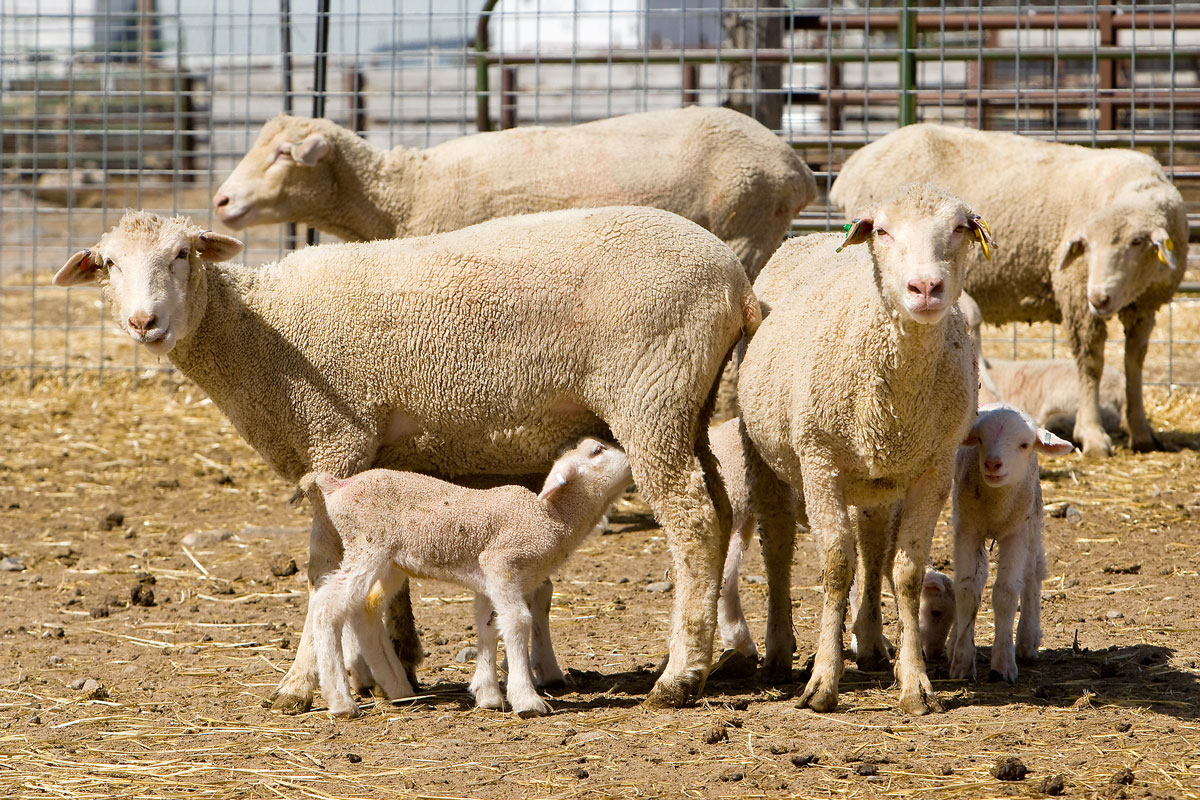
Two studies carry direct pandemic-preparedness implications. Research into swine influenza found that infection reshapes the lower respiratory tract’s microbial community, creating conditions favorable to secondary bacterial infection, a dynamic paralleling influenza-associated pneumonia in humans and relevant to swine herd management given the virus’s pandemic potential. Separately, field trials in West Africa showed a DNA vaccine candidate protected sheep against Rift Valley Fever, a mosquito-borne disease that devastates livestock reproduction and, though it typically produces only mild fever in people, has occasionally proven fatal in newborns and other vulnerable cases.
The editors conclude that progress against zoonotic threats depends on combining molecular epidemiology, mechanistic research into virulence and immunity, and field-ready diagnostics, with expanded genomic surveillance and closer attention to coinfection and microbiome dynamics as priorities for future work.
Sources and further reading:
Embury-Hyatt C, Abouelkhair MA. Editorial: Perspectives in veterinary and zoonotic infection: 2025. Frontiers in Cellular and Infection Microbiology. August 19, 2026.
This article was researched and sourced by Global Biodefense editors and reported with Claude AI assistance for drafting and editing.