

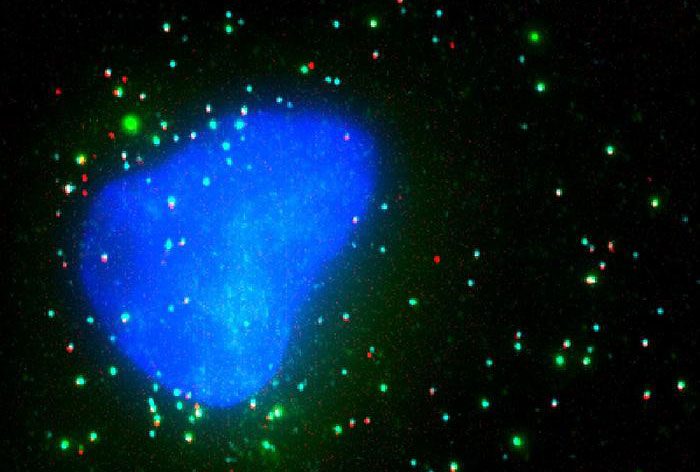
When your cells read an mRNA vaccine’s instructions and build a protein from them, that process can either run smoothly or get stuck in traffic. A new study finds that a small chemical swap in how mRNA is built could clear that traffic jam entirely, potentially making future vaccines and therapies more powerful without requiring bigger doses.
The research, published in the journal Nature, comes from scientists at Johns Hopkins Medicine working with the National Institutes of Health, which also funded and co-led the study. The team compared an experimental mRNA building block called N4-acetylcytidine (ac4C), against N1-methylpseudouridine (m1Ψ), the modification currently used in COVID-19 mRNA vaccines and widely studied for future cancer and autoimmune disease treatments.
How mRNA medicines actually work
To understand what the researchers found, it helps to know what mRNA vaccines and therapies actually do inside the body. Once injected, they deliver a set of genetic instructions into cells, wrapped in a protective fatty capsule called a lipid nanoparticle. Cellular machinery called ribosomes then read those instructions and assemble the protein the instructions describe, whether that’s a piece of a virus meant to train the immune system, or a therapeutic protein meant to fight cancer or calm an overactive immune response. Because raw mRNA breaks down quickly and can trigger unwanted inflammation, scientists chemically modify it before use. The modification called m1Ψ became the industry standard because it stabilizes the mRNA and calms the immune system’s reaction to it.
The Johns Hopkins team, led by biophysicist Bin Wu, used a specialized microscope technique to directly watch individual ribosomes at work as they moved along strands of modified mRNA, tracking the process in real time in both human immune cells and mouse liver cells. What they saw was that ribosomes reading m1Ψ-modified mRNA moved nearly twice as slowly as those reading ac4C-modified mRNA. That slower pace created what the researchers describe as a kind of molecular traffic jam. Ribosomes moving too slowly can pile up behind one another, and when they collide, the cell’s quality-control systems sometimes cut the process short or introduce reading errors, resulting in less protein, or protein that is built incorrectly.
Why speed appears to matter more than expected
Despite that slowdown, both chemical modifications proved similarly effective at avoiding unwanted inflammation, a key requirement for any mRNA therapy to be considered safe. The meaningful difference showed up in output: ac4C-modified mRNA consistently produced more finished protein, and with fewer errors, than the current standard. Wu described this ribosome pile-up as a working explanation for why the industry-standard platform may fall short of its full potential, and suggested it could point toward future therapies that use smaller doses while still generating a stronger protein supply and immune response.
The idea for the collaboration began after Shalini Oberdoerffer of the National Cancer Institute, who has studied ac4C’s natural role in cells, gave a talk at Johns Hopkins in 2024 that led Wu to propose the joint research project. Researchers note that of more than 170 known chemical modifications that occur naturally in RNA, only a handful have been studied for their therapeutic potential, suggesting ac4C may not be the only overlooked candidate worth examining.
A platform capable of generating a stronger immune response from a smaller amount of material could ease supply constraints during a fast-moving outbreak, when manufacturing capacity and raw materials are often the bottleneck rather than demand.
The findings are drawn from cell cultures and mouse tissue, not human clinical trials, and the researchers themselves frame this as an early mechanistic finding rather than a therapy ready for testing in people. Translating a laboratory advantage in protein output into an actual approved vaccine or drug typically requires years of additional development, safety testing, and regulatory review.
Sources and further reading:
Schiffers S, Nelson BW, Prigge M, et al. N4-acetylcytidine enhances synthetic mRNA translation yield and fidelity. Nature. July 1, 2026.
Experimental synthetic mRNA platform may lead to faster, more effective therapeutics for infectious disease, cancer — EurekAlert / Johns Hopkins Medicine
This article was researched and sourced by Global Biodefense editors and reported with Claude AI assistance for drafting and editing.