

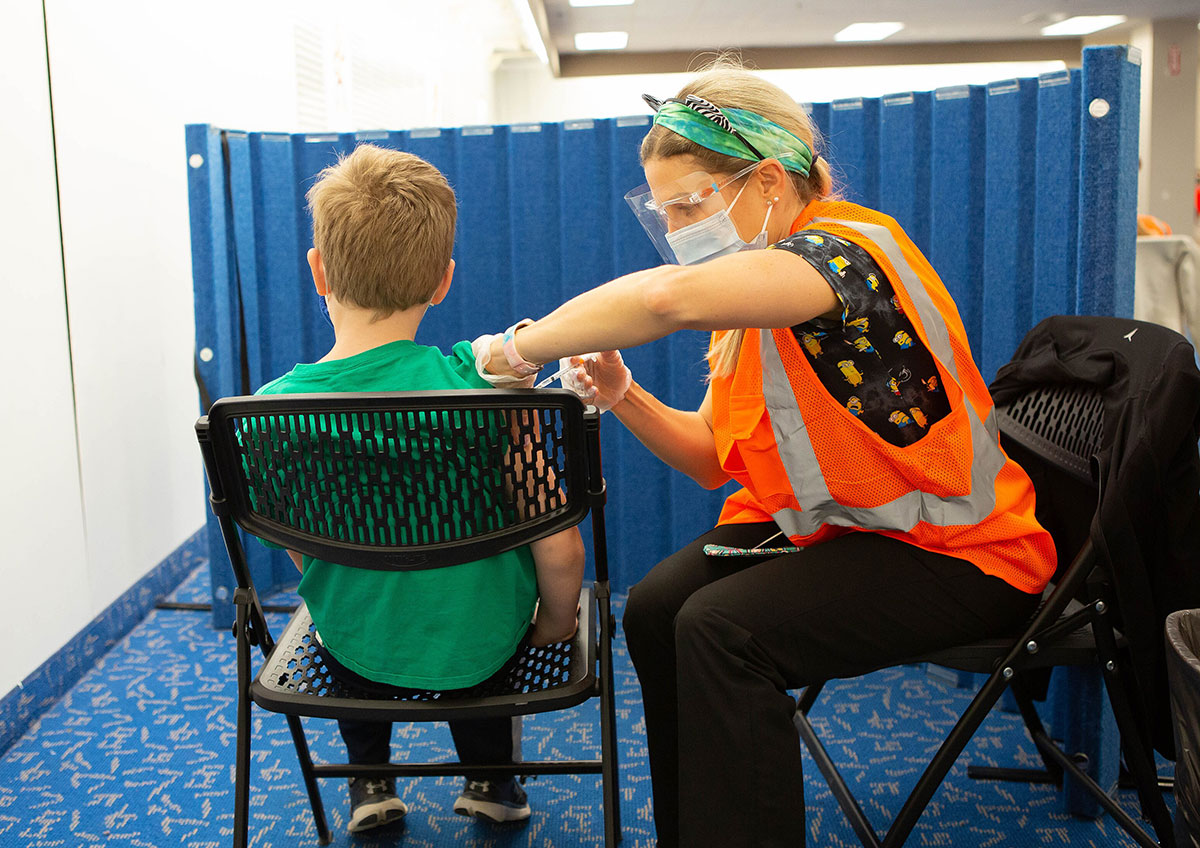
A measles outbreak that began in the spring has grown into one of the most significant in Pennsylvania’s recent history, prompting state health officials to update vaccination guidance for clinicians and expand recommendations for early immunization of infants, children, and adults living in or traveling to affected areas.
Between April and August 21, 2026, the Pennsylvania Department of Health confirmed 379 measles cases across 28 counties. In a Health Alert Network update issued August 24, Secretary of Health Debra L. Bogen directed healthcare providers statewide to accelerate MMR vaccination schedules and maintain heightened clinical suspicion for the disease, particularly in unvaccinated patients presenting with fever and rash.
The scale of the outbreak reflects a broader challenge for public health officials: measles is among the most contagious pathogens known, capable of infecting more than 90 percent of exposed, susceptible individuals and remaining viable in the air for up to two hours after an infected person has left a room. Complications can include pneumonia, encephalitis, and death, with infants and young children facing the greatest risk of severe outcomes.
Pennsylvania health officials are now tracking which counties have crossed the threshold into sustained community transmission, defined as confirmed cases with no epidemiologic link to cases outside the county. That designation triggers a more aggressive set of vaccination recommendations. The department’s measles dashboard, updated weekly, identifies affected counties and provides current case counts.
Early Dose for Infants in Active Transmission Areas
For infants aged 6 through 11 months living in or visiting counties with active transmission, the department recommends one early MMR dose as supplementary protection. This dose does not replace the routine two-dose series. The child must still receive doses at 12 to 15 months and again at 4 to 6 years, resulting in three total doses. Vaccine effectiveness at this early age ranges from approximately 58 percent for infants vaccinated at 6 to 8 months to around 83 percent for those vaccinated between 9 and 11 months. The department notes that no significant differences in adverse events have been observed across this age range, characterizing early vaccination as safe and providing meaningful, if modest, protection.
For children 12 months and older who are unvaccinated, two MMR doses given at least 28 days apart are recommended immediately. Children who have already received one dose should receive their second dose now if the minimum 28-day interval has passed. School-aged children, adolescents, and adults born in 1957 or later without evidence of immunity follow the same two-dose catch-up protocol. Adults born before 1957 are generally considered immune based on likely prior exposure. Adults who received the inactivated measles vaccine available between 1963 and 1967 should be considered unvaccinated and revaccinated with two post-1967 MMR doses, as that earlier formulation did not provide durable protection.
Clinicians Should Be on Alert for Measles Cases
The guidance reinforces to clinicians that measles should be considered in any patient with a febrile rash illness lasting three or more days, a temperature of 101 degrees Fahrenheit or higher, and compatible symptoms such as cough, nasal congestion, or conjunctivitis. The incubation period typically runs 14 days from exposure to rash onset but can extend to 21 days. Clinicians are reminded that immunocompromised patients may present without a rash or with an atypical presentation.
Reporting requirements are immediate. Providers are instructed not to wait for laboratory confirmation before notifying local public health authorities or the state health department at 877-PA-HEALTH. Early reporting is essential for outbreak containment, enabling contact tracing and post-exposure prophylaxis before further spread occurs.
The guidance excludes MMR vaccination in pregnant women, severely immunocompromised individuals, and those with a history of anaphylaxis to a vaccine component. The state public health laboratory is available to assist with diagnostic testing.
Pennsylvania’s outbreak is unfolding against a national backdrop of rising measles cases fueled by declining vaccination rates and importations from international travel. The continued expansion across 28 counties signals that response efforts face significant community transmission that standard surveillance thresholds alone cannot easily contain.
Sources and further reading:
Update to the Recommendations for Catch-Up and Early MMR Vaccination in the Context of Measles Outbreak Activity — Pennsylvania Department of Health
This article was researched and sourced by Global Biodefense editors and reported with Claude AI assistance for drafting and editing.