

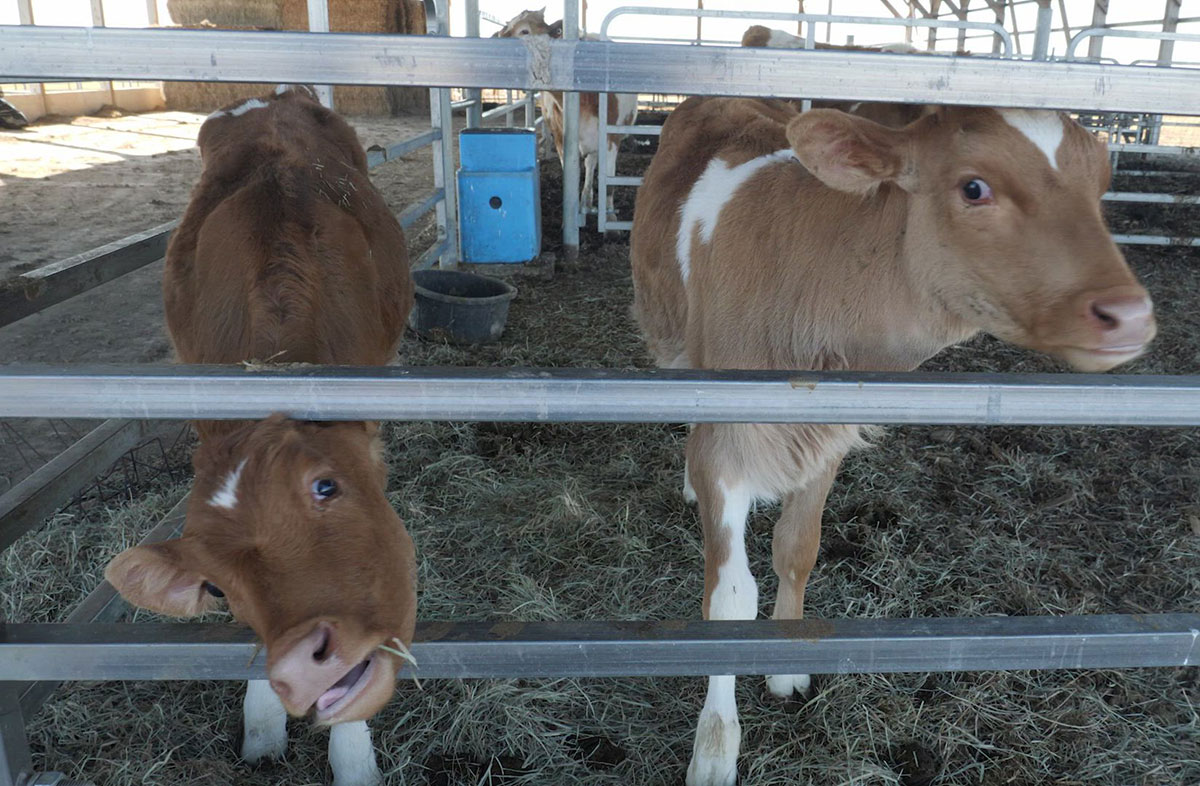
A dairy worker in central Washington state has tested positive for avian influenza after exposure to infected cattle, one week after the state confirmed highly pathogenic avian influenza (HPAI) H5N1 in dairy cows for the first time. The Yakima Health District, working with the Washington State Department of Health, announced the confirmed human case on October 15, 2026. The person has not had severe illness or been hospitalized and is isolating at home.
Officials say the risk to the general public remains low. The case fits the pattern seen across the U.S. dairy outbreak: infection through direct occupational contact with infected animals or contaminated environments. People become infected when the virus enters the eyes, nose, or mouth. Human-to-human transmission of avian influenza has never been documented in the United States.
What Public Health Officials Are Doing
The health district is contacting the patient’s close contacts to check for symptoms and to confirm that human-to-human spread is not occurring. It is also providing tests for exposed people who develop symptoms, and connecting affected dairies with personal protective equipment (PPE) for their workers. Health Officer Dr. Dave Atteberry said the goal is to make sure contacts know which symptoms to watch for and can get testing and treatment if needed.
Symptoms of avian influenza in people can include eye redness or irritation, fever, cough, sore throat, a runny or stuffy nose, muscle aches, headache, and fatigue. Severity ranges from mild to life-threatening. Dairy workers in Yakima County who develop symptoms after exposure to infected cattle are asked to contact a healthcare provider or the Yakima Health District at (509) 249-6541. Officials recommend seasonal flu vaccination for anyone with animal exposure, chiefly to reduce the chance of co-infection with seasonal and avian flu, which could let the viruses swap genetic material.
How the Human Case Fits the Broader Outbreak
The Washington State Department of Agriculture and USDA’s National Veterinary Services Laboratories confirmed HPAI H5N1 on two Yakima County dairy farms on October 8, the first known detection in cattle in the state. The affected herds had tested negative in routine surveillance and were tested after showing clinical signs. Both farms are under quarantine. Dairy cattle in 19 states have now been infected since the outbreak began in March 2024.
According to analysis from the Biothreats Emergence, Analysis, and Communications Network (BEACON), USDA had recorded six confirmed livestock cases nationwide as of October 16, three of them in Washington over the previous 30 days, all on dairy premises. BEACON says the Washington detections point to geographic expansion of the dairy epizootic, not an isolated event. Continued circulation on local premises would sustain exposure risk for farm workers even without further human cases.
BEACON reports that CDC had recorded 72 human A(H5) cases in the United States since February 2024 as of October 17, nearly all tied to animal exposure, particularly among dairy and poultry workers. The Washington case adds to that total. BEACON describes the immediate public health risk as concentrated among exposed occupational groups.
What Officials Are Watching
Priorities include integrated animal and human surveillance, prompt testing of symptomatic exposed workers, adequate PPE access, and genomic characterization of animal and human isolates to investigate transmission pathways and any viral adaptation to mammals. Signs that would warrant reassessment include further spread among dairy herds or poultry flocks, additional human infections, severe illness, and infections with no identifiable animal exposure. USDA has said it will complete genetic sequencing of the Washington cattle detections and announce results when available.
Pasteurized milk and dairy products remain safe, according to USDA, FDA, and state officials. Infected cows can shed virus in milk, so raw milk and unpasteurized dairy products should be avoided. Milk from affected animals is being diverted or destroyed and is not entering the commercial supply, and milk shortages are not expected.
Sources and further reading:
First HPAI H5N1 detections in a dairy cattle herd in Yakima County, Washington, USA, and a human H5 case in an exposed dairy worker — BEACON
Yakima County Avian Influenza (Bird Flu) Alert — Yakima Health District
Yakima County Resident Tests Positive for Avian Influenza — Yakima Health District
Washington confirms first detection of avian influenza in dairy cattle — Washington State Department of Agriculture
USDA Confirms Highly Pathogenic Avian Influenza in Two Dairy Herds in Washington — USDA APHIS
This article was researched and sourced by Global Biodefense editors and reported with Claude AI assistance for drafting and editing.