

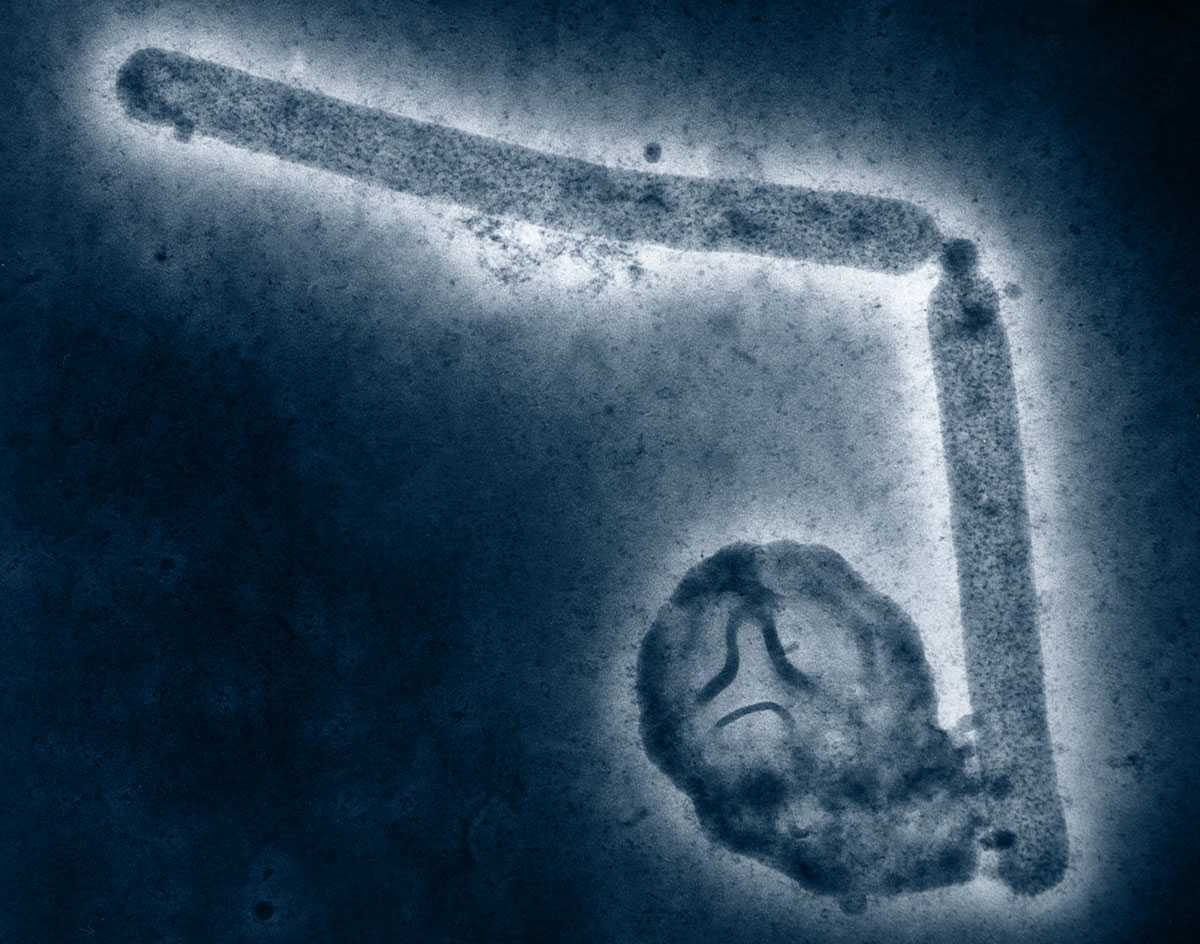
Infectious H5N1 bird flu virus is present in the air of dairy milking parlors, detectable in farm wastewater including manure lagoons, and harbored by a substantial proportion of cows that show no clinical signs of illness. These are the central findings of a new peer-reviewed study published May 5, 2026, in PLOS Biology, and they add meaningful complexity to the ongoing effort to understand and contain an outbreak now entering its third year.
The study, led by researchers at Emory University in collaboration with teams from Colorado State University, the University of Michigan, the University of Pennsylvania, Virginia Tech, and the California Department of Food and Agriculture, represents one of the most extensive field surveillance efforts conducted on actively infected U.S. dairy farms to date. Researchers collected air, wastewater, and milk samples on 14 H5N1-positive dairy farms across two California regions — the Central Valley and southern California — between October 2024 and April 2025. California, the nation’s largest dairy-producing state, had 771 confirmed H5N1-positive herds as of September 30, 2025.
Highly pathogenic avian influenza H5N1 was first detected in U.S. dairy cattle in March 2024 and has since spread across 16 states. While contact with raw, unpasteurized milk and contaminated milking equipment had been considered the primary transmission route, the full picture has remained uncertain due to limited on-farm data. This study was designed to address that gap through direct environmental surveillance under real-world conditions.
Virus in the Air, Water, and Waste
The team detected infectious H5N1 in the air of milking parlors on multiple farms and on multiple sampling days. Viral RNA was also found in the exhaled breath of cows in housing pens. Viral titration confirmed that the airborne virus retained infectivity — it was not merely genetic material but capable of infecting cells. Measurement of particle sizes indicated that both submicron aerosols and larger droplets are generated during milking, likely from aerosolized milk and cow respiration, and that these particles could carry infectious virus into the breathing zone of farm workers.
Infectious virus was also confirmed in farm wastewater at multiple points along the waste stream — from parlor drains and sump pumps to irrigation fields and open manure lagoons. The lagoon findings carry implications for wildlife: these water sources are frequently visited by migratory birds, which could serve as a vehicle for broader geographic spread.
Genetic sequencing of virus recovered from air and wastewater samples identified a mutation — designated N189D — in the hemagglutinin protein. Mutations at this position have been associated in prior research with improved binding to human-type receptors. The authors note that whether this specific mutation meaningfully alters human susceptibility remains to be determined experimentally, but its detection in environmental farm samples warrants attention. “The discovery of the N189D mutation in environmental samples is a sobering sign of real-time viral evolution,” said Dr. Joseph Neary, Senior Lecturer in Livestock Health and Welfare at the University of Liverpool, in comments to the Science Media Centre, noting that mutations at this site are associated with enhanced binding to human-type receptors.
Hidden Infections in the Herd
A significant finding concerns cows with no visible signs of illness. In a longitudinal analysis of individual animals on one farm, researchers found that H5N1 positivity did not consistently coincide with mastitis — the udder inflammation typically used to flag infected cows. Seven cows tested positive for the virus but showed no clinical signs of mastitis. On a separate farm, antibody testing revealed that six of ten cows with no recorded drop in milk production had detectable H5 antibodies in their milk, indicating prior infection that had gone unrecognized. These subclinical animals represent a meaningful challenge to current containment strategies, which depend heavily on identifying visibly sick animals for isolation.
The pattern of infection across individual udder quarters further complicated the assumption that contaminated milking equipment is the primary transmission route. If shared equipment were the dominant driver, similar infection patterns would be expected across a herd. Instead, the distribution was variable and inconsistent with that model, pointing toward additional routes — including airborne exposure within the parlor, contact with contaminated wastewater, or other mechanisms — operating simultaneously.
H5N1 Transmission Complexity
Taken together, the findings indicate that H5N1 transmission on U.S. dairy farms is complex, with multiple environmental pathways operating in parallel. That complexity has direct implications for worker protection and outbreak containment. The authors recommend that farm workers in milking parlors use respiratory and ocular personal protective equipment, that milking equipment be disinfected between each cow, that wastewater from sick animals be treated before field application, and that surveillance efforts expand to identify infected cows regardless of clinical signs. Prof. Ed Hutchinson of the MRC-University of Glasgow Centre for Virus Research noted that studies engaging with both the science of viral transmission and the practical realities of dairy farming are needed to better understand how to contain the virus within the United States and to assess the risks it may pose elsewhere.
The study has limitations the authors acknowledge: longitudinal sampling was conducted on a small number of cows over a relatively short period, infectious virus in wastewater may be underestimated due to sample fragility and processing constraints, and milking equipment usage could not be fully traced across all sampled animals. Broader and longer-term surveillance will be needed to confirm and extend these findings.
Sources and further reading:
Surveillance on California dairy farms reveals multiple possible sources of H5N1 influenza virus transmission. PLOS Biology, May 5, 2026.