

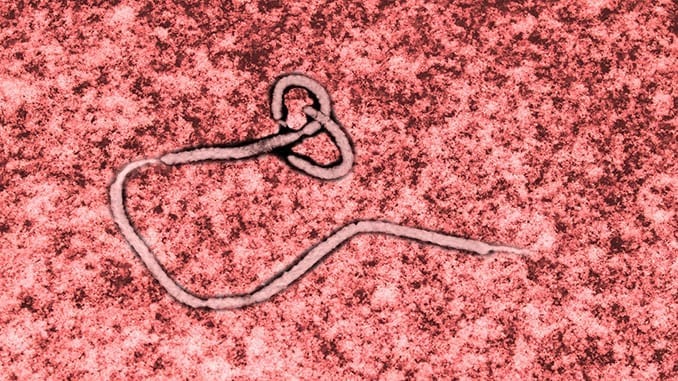
A deadly Ebola outbreak now spreading across the Democratic Republic of the Congo and Uganda is drawing fresh attention to ongoing disputes over U.S. global health security policy — and to the legislative and budgetary decisions that critics argue have left the country less prepared to respond. On May 20, 2026, U.S. Representative Ami Bera, M.D. (CA-06), Ranking Member of the House Foreign Affairs Subcommittee on East Asia and the Pacific, issued a public statement warning that recent federal actions have eroded the United States’ capacity to detect and contain outbreaks before they spread internationally.
Bera, a physician, used the statement to highlight an amendment he introduced in 2025 to H.R. 5300, the State Department reauthorization bill, which he said was designed to strengthen Ebola response and broader global health security infrastructure. The amendment was voted down by Republicans. He also leveled direct criticism at the current administration, stating that “sweeping cuts to U.S. Agency for International Development and the CDC by this Administration have further weakened disease surveillance, reduced our ability to detect outbreaks early, and undermined the rapid response capacity that has helped protect Americans and save lives around the world.”
The rejected amendment — formally titled the Ebola Response and Global Health Security provision — was substantive in scope. It included a Sense of Congress declaring that stopping dangerous infectious diseases at their source is essential to protecting American lives, and that uncontrolled outbreaks can disrupt access to critical minerals, commerce, manufacturing, and global trade flows vital to U.S. economic security. The amendment also warned that Ebola outbreaks exacerbate political and economic instability, potentially opening the door for foreign adversaries, including the People’s Republic of China, to expand their influence in affected regions.
On the operational side, the amendment would have required the Secretary of State to submit reports to Congress every 30 days during any active Ebola outbreak notified to the World Health Organization — continuing until the outbreak was officially declared ended following 42 days with no confirmed or probable Ebola Virus Disease cases. Those reports would have detailed U.S. diplomatic efforts to support air bridges and supply delivery; the use of congressionally appropriated funds for community-based surveillance, testing, treatment, and rapid response; interagency coordination including task forces and contact tracing protocols; cooperation with partner nations, international organizations, and NGOs to ensure access to countermeasures and diagnostics; homeland protection measures including travel monitoring from affected regions; and public communications to keep Americans informed. The amendment also called for identification of any additional legislative authorities or appropriations needed to sustain an effective response.
The public health security implications of the current outbreak extend well beyond the immediate humanitarian toll. The DRC has experienced multiple Ebola outbreaks over the past decade, and Uganda shares a porous border with affected regions. As Bera noted, “infectious diseases do not respect borders, and delays in disease detection and response make Americans more vulnerable.” The amendment’s Sense of Congress language further underscored the national security dimension, citing the strategic risk of instability in mineral-rich regions of central Africa and the potential for adversarial powers to fill governance and influence vacuums created by health crises. Supporting African-led institutions to respond rapidly to outbreaks, the amendment argued, directly advances U.S. foreign policy goals and builds durable regional partnerships.
Bera called on the United States to strengthen coordination with affected countries, support frontline disease detection, and work alongside international organizations to contain the outbreak quickly. “We should be strengthening coordination with impacted countries, supporting frontline disease detection, and working alongside international organizations to contain outbreaks quickly and effectively,” he said, adding that the current outbreak demonstrates “in real time why global health security matters.”
Sources and Further Reading:
Rep. Bera Issues Statement on Ebola Outbreak in the DRC and Uganda – U.S. House of Representatives