

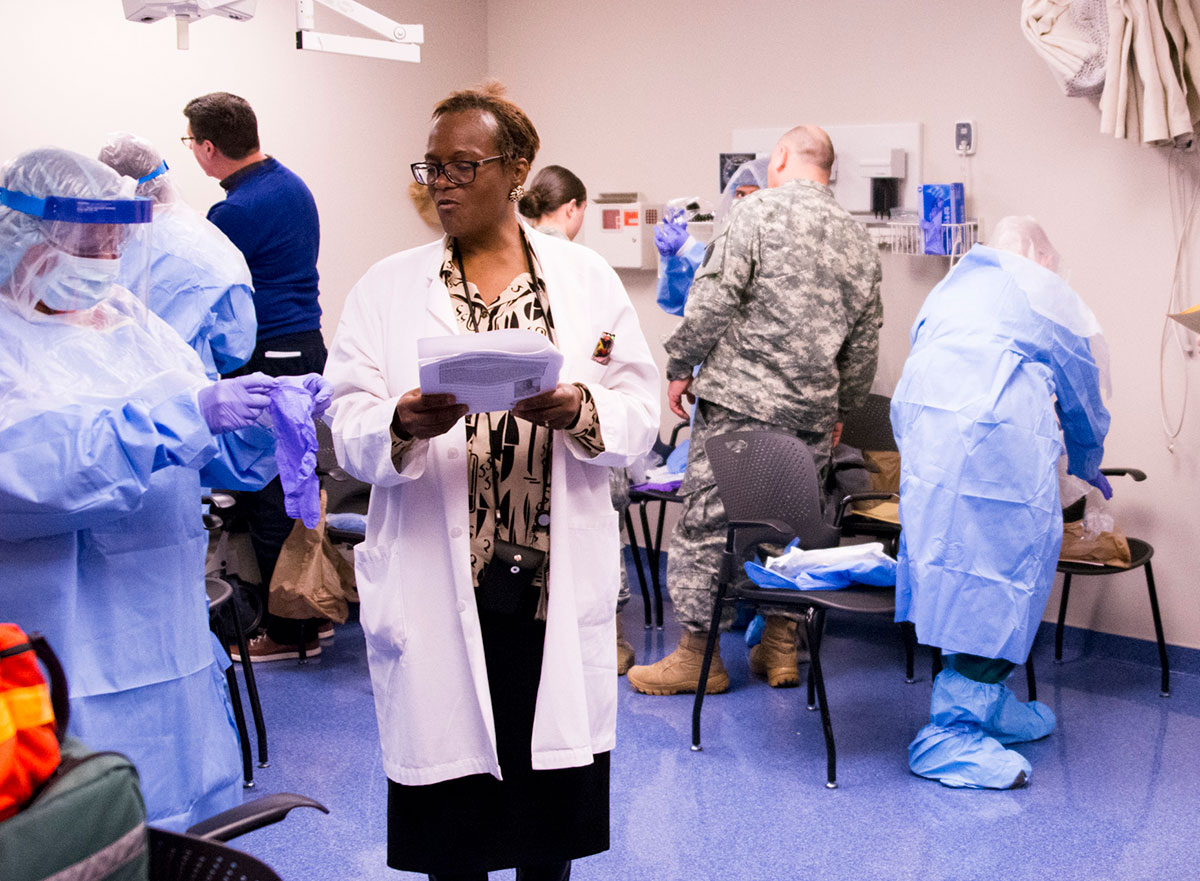
The emergence of a new Ebola outbreak in the Democratic Republic of Congo, combined with a recent hantavirus cluster linked to a cruise ship, has prompted the nation’s largest nurses’ union to issue a stark warning: the United States is dangerously unprepared to detect and respond to emerging infectious disease threats.
National Nurses United (NNU), which represents more than 225,000 registered nurses across the country, released a statement on May 20, 2026, arguing that deliberate cuts to public health infrastructure under the Trump administration have left federal agencies too weakened to mount an effective response to simultaneous outbreaks. The DRC declared a new Ebola outbreak on May 15, with the World Health Organization designating it an international public health emergency just two days later.
Cascading Outbreaks Expose Gaps in Surveillance and Response
NNU’s statement highlights what it characterizes as a surveillance failure: the union notes that hundreds of Ebola cases have already been identified in the DRC, suggesting the virus had been circulating for weeks or months before detection. For infectious disease professionals, early detection is the cornerstone of outbreak containment, and delayed identification of cases significantly complicates response efforts.
The union also points to the recent Andes hantavirus outbreak connected to a cruise ship as a parallel example of slow and incomplete public communication, attributing information gaps to the departure of career scientists from federal agencies. Hantavirus and Ebola represent distinct pathogens and transmission dynamics, but both require robust surveillance networks and rapid laboratory response capacity to manage effectively.
A Catalog of Institutional Cuts
NNU’s statement enumerates a series of policy and structural changes it holds responsible for degraded U.S. preparedness. These include the dissolution of the United States Agency for International Development (USAID), withdrawal from the World Health Organization, reductions in CDC staffing that have diminished infectious disease expertise and response capacity, and the elimination of research funding for treatments and emerging infectious diseases.
The union also notes that the Office of Pandemic Preparedness and Response Policy has not been staffed under the Trump administration, leaving a key coordination function vacant at a moment when multiple simultaneous outbreaks are unfolding. Together, NNU argues, these changes have disrupted both the domestic infrastructure for disease response and the international partnerships essential to early warning systems.
The union states that political appointees, rather than career scientists, are serving as the primary conduit for outbreak information to the public, raising questions about the technical depth and timeliness of official communications.
Nurses as a Public Health Early Warning System
NNU has a documented history of direct action on infectious disease preparedness, including a strike over hospital protocols during the 2014 Ebola outbreak in West Africa and sustained advocacy for health care worker protections throughout the COVID-19 pandemic. The union frames its current statement not only as labor advocacy but as a professional public health warning grounded in frontline clinical experience.
The union states it will continue monitoring both the DRC Ebola outbreak and the hantavirus cases and pledges ongoing advocacy for strengthened public health systems.
Sources and further reading:
Nurses on Ebola: Trump’s CDC is too weak to respond to outbreaks, leaving working people everywhere at risk – National Nurses United