

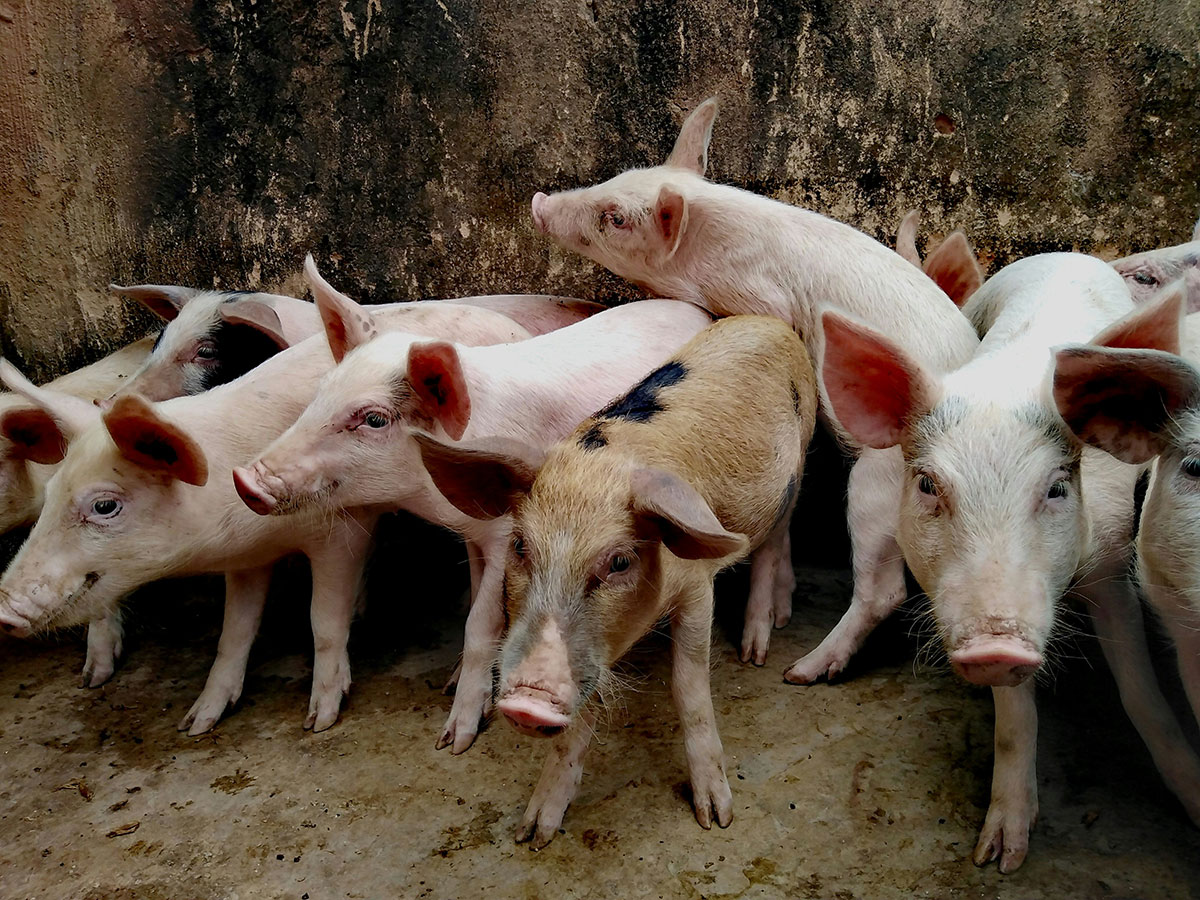
A disease with a near-perfect kill rate continues its relentless march across Asia and the Pacific, testing the resilience of pig industries from South Asia to Southeast Asia and beyond. African swine fever (ASF), a viral hemorrhagic disease affecting pigs and wild boar that can carry a case fatality rate of up to 100%, remains firmly entrenched across the region with fresh outbreaks reported in multiple countries as of mid-June 2026, according to the Food and Agriculture Organization of the United Nations (FAO).
FAO’s Emergency Prevention System for Animal Health (EMPRES-AH) published its latest ASF situation update for Asia and the Pacific on June 18, 2026, covering developments across 20 affected countries and territories. The update paints a picture of a disease that is simultaneously sparking new flare-ups in India, devastating Sri Lanka’s pig sector, and driving a wave of policy responses — including new vaccination programs, biosecurity overhauls, and revised import regulations — across the broader region.
India and Sri Lanka Face Escalating Outbreaks
In India, ASF has now been officially reported in 22 of 28 states and the National Capital Territory since the disease first emerged in Assam in January 2020. New outbreaks are actively spreading. In Nagaland State, fresh cases were confirmed across multiple districts in May and June 2026, while Assam and Meghalaya also reported newly confirmed outbreaks during the same period. Media reports indicate that cases have now appeared on a pig farm in Kerala State as well. In 2024 alone, more than 150,000 pigs died or were destroyed due to ASF across India.
Sri Lanka, which confirmed its first ASF case only in October 2024, has experienced rapid and devastating spread. As of early July 2026, a total of 67,000 pigs and wild boars have died and at least 1,594 pig farms have been affected across all nine provinces. The outbreak has prompted the government to designate all districts as ASF-susceptible under a special gazette order, with strict bans on the unpermitted sale, transport, or processing of pigs or pork. Over 100 wild boars have also been found dead in forest areas, with samples testing positive for both ASF and porcine reproductive and respiratory syndrome (PRRS).
Vaccination Programs and Biosecurity Reforms Accelerate
Amid the crisis, several nations are advancing vaccination and biosecurity strategies. The Philippines has vaccinated nearly 500,000 pigs in six provinces under a government-controlled ASF vaccination program, with a reported 90% efficacy rate in healthy, ASF-negative animals. The country also introduced ASF regionalization in November 2025, allowing recognition of ASF-free zones in line with World Organisation for Animal Health (WOAH) standards, and launched an Animal Vaccine Development Program to build domestic vaccine production capacity.
In Vietnam, genetic sequencing conducted in 2026 revealed that 83.6% of representative ASF samples were recombinant strains derived from both genotype I and genotype II viruses — a significant finding that prompted authorities to issue updated vaccine selection guidance to provincial animal health managers in May 2026. Vietnam has now licensed three domestic ASF vaccines since 2022. Indonesia received its first batch of 120,000 doses of the AVAC ASF live vaccine in June 2025, with distribution to local authorities planned for June 2026. The Republic of Korea, meanwhile, granted export-only authorization in April 2026 for two ASF vaccines developed by domestic manufacturers, and has tightened biosecurity standards at pig farms nationwide.
Why This Matters for Global Health Security
The region is home to the world’s largest pig populations, and ASF-driven livestock losses ripple through food security, rural livelihoods, and national economies. The Philippines, for example, issued an executive order in 2026 dramatically expanding pork import quotas — from 54,210 metric tons to 204,210 metric tons — in part to compensate for ASF-related supply shortfalls and control inflationary pressures.
FAO has underscored a persistent biosecurity risk: ASF virus can survive for extended periods in pork and pork products, including raw, frozen, dried, and undercooked meat, making international travel and trade a vector for viral spread. Border control screening in China has already confirmed that new reassortant ASF virus strains may be transported by travelers. FAO continues to urge intensified customs inspections at airports and seaports across the region.
The geographic scope of the outbreak — spanning 20 countries, from China and Vietnam to Sri Lanka and Papua New Guinea — and the emergence of novel recombinant viral strains underscore the need for sustained regional coordination, robust surveillance systems, and continued investment in vaccine development and biosecurity infrastructure.
Sources and further reading:
ASF situation in Asia & Pacific update June 2026 – Food and Agricultural Organization of the United Nations (FAO)