

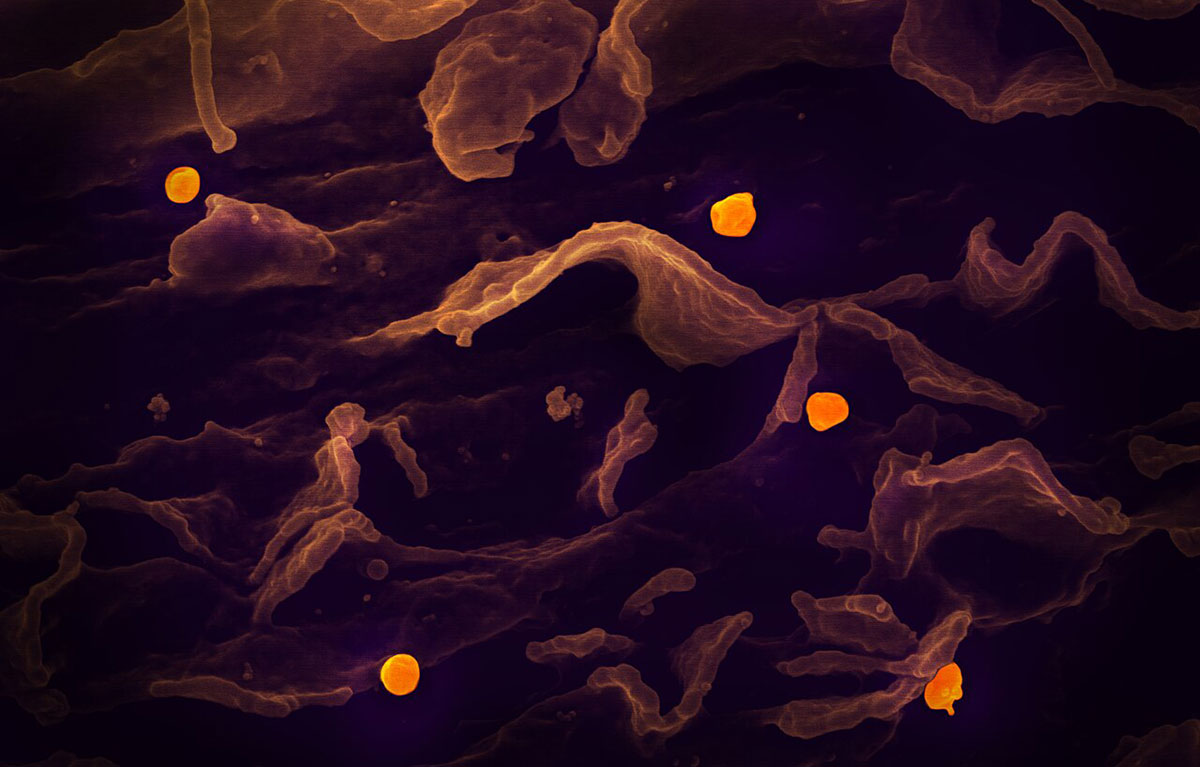
On June 11, 2026, the Kerala State Health Department confirmed a laboratory-verified case of Nipah virus (NiV) infection in Kozhikode district, Kerala State. The World Health Organization (WHO) was informed the same day. The patient, an adult male, first developed symptoms on May 30 and was hospitalized on June 10. His clinical presentation is primarily neurological, and he remains on ventilatory support in an ICU. Initial positive results via PCR testing at local laboratories were subsequently confirmed by RT-PCR at the National Institute of Virology in Pune.
Kerala Caught in a Cycle of Outbreaks
This event is not an anomaly. Kerala has experienced Nipah virus outbreaks in 2018, 2019, 2021, 2023, 2025, and now 2026, with Kozhikode district at the center of several of them. The state has developed surveillance infrastructure, laboratory capacity, and Rapid Response Teams precisely because of this pattern. Ecological conditions in the region, including established fruit bat populations of the Pteropus species — the natural reservoir for the virus — support repeated zoonotic spillover events. Locally, April through September is recognized as a Nipah high-alert period.
This case also represents the second NiV notification in India in 2026, following two epidemiologically linked cases reported in West Bengal state in January of the same year.
Nipah virus is a zoonotic pathogen with no licensed vaccine or specific antiviral treatment. Transmission to humans can occur through direct contact with infected bats or domestic animals, consumption of food products contaminated with bat saliva or excreta (such as raw date palm sap), or close contact with infected individuals, particularly in healthcare settings. The case fatality ratio in past outbreaks across India, Bangladesh, Malaysia, and Singapore has ranged from 40% to 75%, depending on local detection and clinical management capacity. The incubation period is typically 3 to 14 days, though periods of up to 45 days have been documented in rare cases.
Rapid Response: 104 Contacts Identified, Source Still Unknown
Following confirmation of the case, authorities rapidly initiated contact tracing. As of June 18, 2026, a total of 104 contacts had been identified — including four classified as very high-risk, 14 as high-risk, and 86 as low-risk. Forty-five of the contacts are health and care workers. All are under active monitoring with twice-daily follow-up. No secondary cases have been reported.
National response efforts have been extensive. Expert teams from the National Centre for Disease Control (NCDC) and the Indian Council of Medical Research (ICMR) visited Kozhikode on June 13 to evaluate the situation and provide technical support. Kerala has established isolation wards, dedicated quarantine facilities at Kozhikode Government Medical College Hospital, and a control room for risk communication. Door-to-door surveys covering all 320 households and 1,047 residents in a local municipality division found no Nipah-compatible symptoms.
Kerala’s State Health Department has also constituted a multi-sectoral High-Power Committee for Epidemic Control, tasked with studying recurrent seasonal outbreaks and developing evidence-based prevention recommendations. The committee includes clinicians, One Health experts, and representatives from animal husbandry, food safety, and local government.
One Health and environmental investigations are underway, with bat specimens and fecal samples collected within a 5-kilometer radius of the outbreak epicenter and dispatched for testing at the National Institute of High Security Animal Diseases in Bhopal. Results are pending. The source of the current infection has not yet been identified.
Vigilance for a Potential Pandemic Pathogen
WHO assesses the current sub-national risk as moderate, driven by recurrent zoonotic spillover, limited clinical specificity in early disease stages, and the absence of licensed vaccines or targeted therapeutics. Regional and global risk remains low, given no cross-border spread and the geographically contained nature of the event. However, the fact that this is the second NiV notification in India in a single year underscores an ongoing and unresolved spillover dynamic.
Nipah virus is classified as a priority pathogen under the WHO R&D Blueprint for Epidemics, meaning it is designated for accelerated development of vaccines and therapeutics due to its pandemic potential. Until effective countermeasures are available, the global health security community must rely on rapid detection, aggressive contact tracing, healthcare infection control, and One Health surveillance — precisely the tools being deployed in Kozhikode today. WHO states it does not currently recommend any travel or trade restrictions related to this event.
Sources and further reading:
WHO Disease Outbreak News (DON) – Nipah virus disease India (25 Jun 2026)
WHO SEARO Epidemiological Bulletin, 12th edition, 17 June 2026
WHO Regional Strategy for Prevention and Control of Nipah Virus Infection: 2023–2030
WHO Technical Brief: Enhancing Readiness for a Nipah Virus Event