

Infectious diseases kill nearly 15 million people each year, and the forces driving their spread are accelerating. A comprehensive threat assessment published by the Institut Pasteur in France paints a sobering picture of converging risks: mosquito-borne viruses pushing into new geographies, antibiotic resistance silently eroding treatment options, and a changing climate rewriting the rules of disease transmission worldwide.
The assessment, updated in August 2026, draws on the Institut Pasteur’s role as a national and global reference center for infectious disease surveillance. The Paris-based institution monitors a broad portfolio of pathogens on behalf of French health authorities and in coordination with international partners, giving its analysis unusual breadth across both emerging and endemic disease threats.
Respiratory infections top the burden estimates, accounting for roughly 4 million deaths annually and affecting the very young and very old most severely. The COVID-19 pandemic, which claimed more than 7 million lives by official WHO counts, underscored how quickly respiratory viruses can destabilize health systems and economies. The Institut Pasteur continues to monitor influenza, SARS-CoV-2, and related pathogens through its National Reference Center, tracking evolution in real time.
A Mosquito Moving North
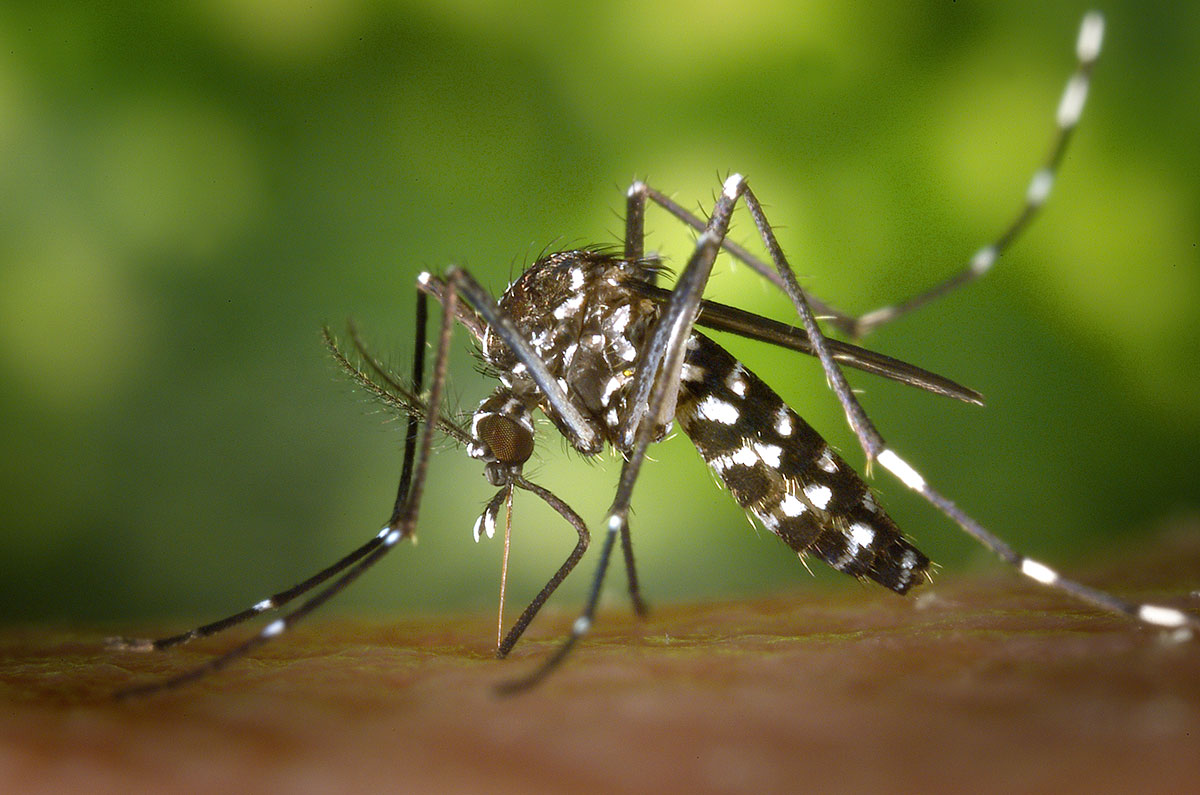
Perhaps the most immediate concern for France specifically is the relentless geographic expansion of the tiger mosquito, Aedes albopictus. First detected in mainland France in 2004, the species has now colonized nearly four-fifths of the country. Originally from Southeast Asia, it is a competent vector for dengue, chikungunya, Zika, and potentially West Nile and Usutu viruses.
In 2025, more than 830 people in mainland France contracted chikungunya or dengue without having traveled to any tropical region, meaning they acquired the infections locally. At least 1,073 imported chikungunya cases seeded 788 locally acquired infections. Authorities managed to contain further spread through rapid surveillance and mosquito control, but the Institut Pasteur warns that each new case increases the probability of these viruses becoming entrenched on French soil.
The stakes are high with Zika in particular. The tiger mosquito can transmit Zika virus, which causes severe neurological complications and congenital malformations in newborns, adding a dimension of reproductive and developmental health risk to the mosquito threat profile.
Beyond Europe, arboviral expansion worldwide is being driven by climate change and globalization. Rising temperatures accelerate mosquito life cycles and shorten viral incubation periods inside the insects, increasing transmission efficiency. Modeling from Imperial College London and WHO projects that yellow fever deaths in Africa could rise by 11 to 25 percent by 2050.
Drug Resistance and Disease Outbreaks
Cholera surged globally in 2024, killing more than 6,000 people, a roughly 50 percent increase over 2023. Hemorrhagic fevers including Ebola remain a recurrent threat in West and Central Africa, with ongoing export risk to other regions. The Institut Pasteur monitors these pathogens alongside plague, polio, and rabies.
Tuberculosis, the world’s deadliest bacterial infection, sickened more than 10 million people in 2023 and killed approximately 1.25 million, the majority in low- and middle-income countries. The emergence of multidrug-resistant TB strains is complicating an already difficult treatment landscape.
Antimicrobial resistance cuts across all of these categories. The WHO identifies it as one of the top ten global public health threats. Antibiotic resistance alone causes 1.3 million deaths annually, a figure that could climb to 39 million by 2050. The cumulative economic toll is estimated at $100 trillion by mid-century, driven by rising mortality, prolonged hospitalizations, and lost productivity. Resistant strains of bacteria responsible for meningitis, foodborne illness, and invasive fungal infections are all within the Institut Pasteur’s monitoring scope.
The breadth of the Institut Pasteur’s assessment reflects a field in which the boundaries between climate science, microbiology, and public health policy are increasingly blurred. Managing these threats will require sustained international cooperation, investment in surveillance infrastructure, and frank acknowledgment that the conditions enabling infectious disease are not retreating.
Sources and further reading:
Major pathogenic threats in France and worldwide — Pasteur.fr
This article was researched and sourced by Global Biodefense editors and reported with Claude AI assistance for drafting and editing.