

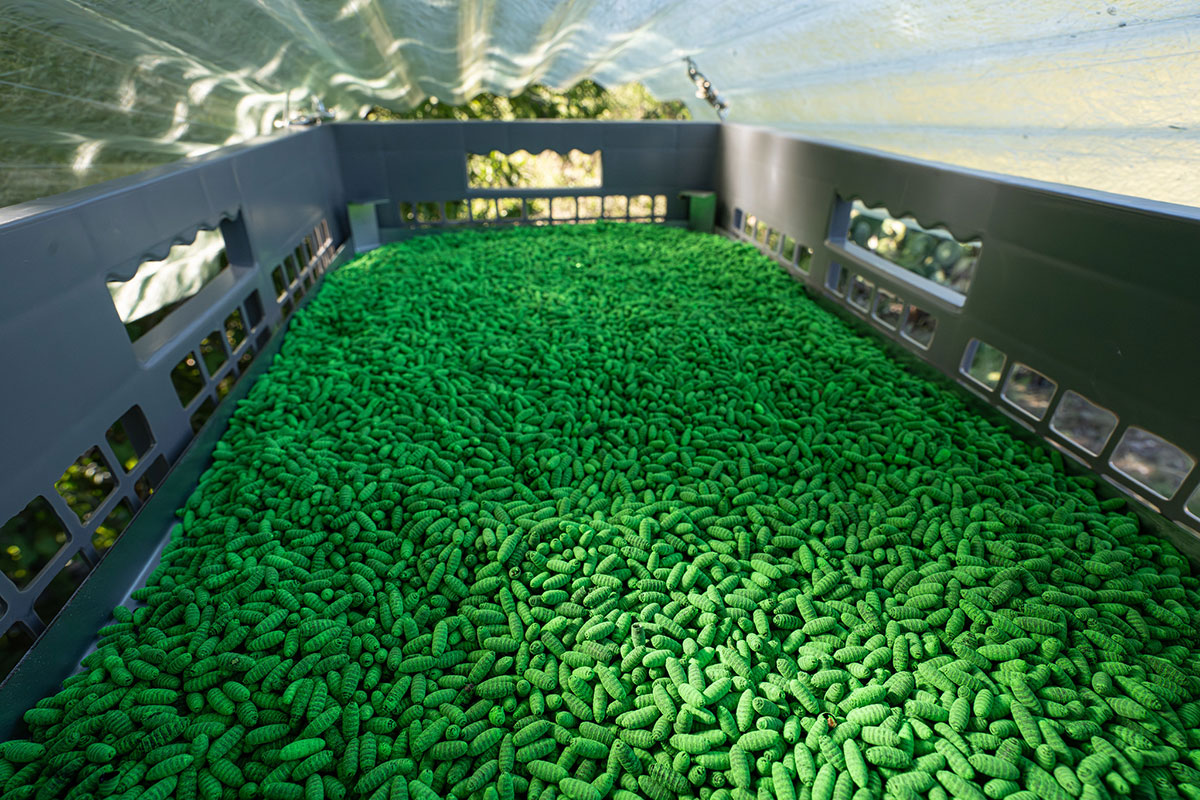
A parasitic insect capable of burrowing into the living flesh of warm-blooded animals — including humans — has prompted the activation of federal emergency response infrastructure. The U.S. Centers for Disease Control and Prevention (CDC) has activated its Emergency Operations Center (EOC) in response to the spread of New World screwworm, supporting a coordinated effort with the U.S. Department of Agriculture (USDA) and the Texas Department of State Health Services.
The CDC announcement confirms the agency’s role as a supporting partner in a multi-agency response, with USDA taking the lead on the broader containment effort. The activation of the EOC signals that federal officials are treating the screwworm situation as a public health emergency warranting centralized coordination, surveillance, and rapid resource deployment.
New World screwworm (Cochliomyia hominivorax) is a parasitic fly whose larvae feed on living tissue, causing a condition known as myiasis. The pest was eradicated from the United States in the 1960s following a decades-long sterile insect release program, but has persisted in parts of Central and South America. Recent reports have indicated northward movement of infested livestock cases through Mexico across the U.S. border, raising alarm among agriculture and public health officials. While the primary threat is to livestock and wildlife, screwworm can infest open wounds in humans, making it a concern across both veterinary and human health domains.
The intersection of animal and human health risk places this outbreak squarely within the framework of One Health — the recognition that human, animal, and environmental health are deeply interconnected. A screwworm reestablishment in the United States would pose severe consequences for the livestock industry, wildlife populations, and potentially border communities with occupational or incidental exposure to infested animals.
Sources and Further Reading:
CDC Activated Emergency Operations Center for New World Screwworm Response – CDC