

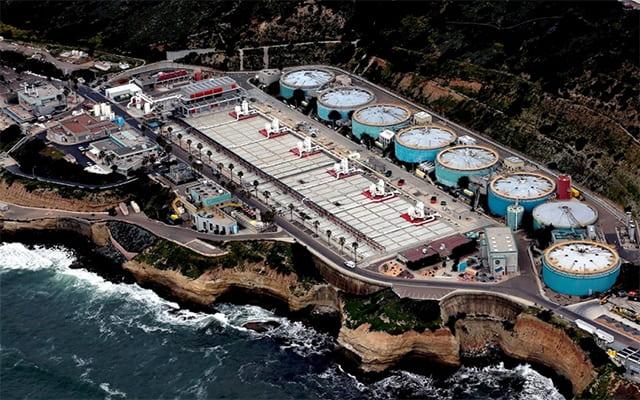
In 2020, when the CDC launched the National Wastewater Surveillance System to track COVID-19 in American sewers, few anticipated what would come next. Within five years, that single-pathogen experiment has grown into a sophisticated, nationwide infrastructure capable of detecting dozens of infectious disease threats — from influenza and mpox to antimicrobial-resistant bacteria — across roughly 1,500 sampling sites spanning all 50 states, seven territories, and some tribal communities. The system works, the technical methods are reliable, and the public broadly accepts it. Yet a new set of studies published in a special issue of Emerging Infectious Diseases reveals a critical gap: the data generated by this expensive, multipartner system is not yet flowing routinely into the hands of the clinicians and health systems that could use it to protect patients in real time.
The Infrastructure Is Built
The foundation is substantial. The National Wastewater Surveillance System relies on a coordinated network of frontline health departments, university researchers, commercial laboratories, wastewater treatment plant operators, and six regional Centers of Excellence that drive innovation and training. The process is now standardized: untreated wastewater is collected from sewersheds, samples are processed and concentrated, viral genetic material is extracted and quantified using sensitive molecular techniques, and data flow through a central cloud-based platform to both local jurisdictions and the CDC. That infrastructure took years and significant federal investment to build, and it exists nowhere else at this scale globally.
The system’s value lies in what it captures that traditional surveillance misses. Unlike clinical diagnostic testing, which only reaches people sick enough to seek care, wastewater surveillance detects pathogens regardless of symptom status, healthcare access, or whether anyone has been tested. It acts as an early warning system, allowing public health agencies to detect community transmission changes weeks or even months before clinical cases appear in numbers.
The Technical Capability Is Proven
One immediate question was whether the methods used for COVID-19 surveillance could reliably detect and track other pathogens. A new study of antimicrobial-resistant bacteria in hospital wastewater provides a detailed answer: yes, with important caveats. Researchers tested multiple sampling approaches — composite automated samples, passive absorption methods, and sewer biofilm swabs — to detect genes encoding carbapenem resistance, one of the most urgent antimicrobial resistance threats facing healthcare systems. Over 16 months at a rehabilitation hospital, they standardized detection protocols, evaluated sample handling conditions, and determined that composite and passive sampling methods both reliably detected key resistance genes like blaKPC and blaOXA-48-like.
The practical implication is significant: healthcare facilities without access to sophisticated laboratory infrastructure can now use simple, inexpensive passive sampling methods to monitor resistance trends in their own wastewater. Sample timing, storage temperature, and preservation method matter — but the study established protocols that work even in resource-limited settings. This transforms wastewater surveillance from a research tool into a deployable monitoring system for detecting resistance emergence before clinical infections spike.
Clinicians See the Potential — But Aren’t Routinely Using It
If the infrastructure works and the technology is sound, the logical next step is integration into clinical decision-making. A survey of infectious disease physicians across the United States offers a cautionary finding: most clinicians surveyed do not routinely review wastewater surveillance data. Of 192 physicians providing detailed feedback, roughly half saw value in wastewater data for situational awareness and early warning — describing it as a “canary in the coal mine” for emerging diseases in their communities. About a quarter saw clinical utility in infection control planning, helping hospitals time system-wide reminders about isolation precautions, diagnostic testing strategies, and vaccination campaigns. Fifteen percent noted wastewater data could inform differential diagnosis by raising or lowering their clinical suspicion for certain infections. A smaller group described using it to counsel patients about vaccination.
Yet the language used throughout the survey was notably conditional: physicians described what wastewater data “could” do, “would” help with, or “might” inform — reflecting perceived potential rather than current routine use. Several clinicians noted that the utility of wastewater data depends critically on timeliness, geographic specificity, and clear guidance from public health authorities on how to act on it. Some suggested that wastewater data would be most useful if health departments proactively disseminated interpreted findings to clinicians rather than expecting doctors to monitor data systems themselves.
The gap is clear: the system generates data that clinicians intellectually recognize as valuable, but practical barriers — delayed reporting, unclear clinical actionability, and lack of regular communication from public health — prevent integration into everyday practice.
The Public Accepts It — If You Tell Them
A complementary survey of the general public found that two-thirds of Americans expressed no concerns about wastewater surveillance, and most who had concerns focused on transparency and data use rather than the surveillance itself. Yet roughly a quarter of respondents were unaware that wastewater monitoring was happening in their communities at all. Among those who knew about it, support hinged on trust in the institutions conducting surveillance and clear communication about why monitoring occurred and how data would be used.
The message was consistent: people are willing to support wastewater surveillance and will even use the data to inform their own health decisions if they understand it and trust the messengers. But that support requires active education and communication, particularly from local and state health departments.
Bridging the Gaps
The four studies together expose a system that works technically but underperforms operationally. The National Wastewater Surveillance System is a genuine achievement — a coordinated, scalable platform that can detect community disease trends and emerging threats like antimicrobial resistance. But its value to clinical care, hospital planning, and individual health decisions depends on closing three interconnected gaps: better, faster communication from public health to clinicians with actionable guidance tailored to clinical settings; more routine data sharing and interpretation workflows that don’t require busy clinicians to monitor external dashboards; and sustained, transparent public communication about what wastewater surveillance is, why it matters, and how data are protected.
Sources and further reading:
Jones SL, Blackwell AD, Adams C, et al. Implications of Wastewater Surveillance for Clinical Care among Infectious Disease Physicians, United States, 2024. Emerging Infectious Diseases, 2026;32(13). doi:10.3201/eid3213.260203.
Warren E, VanDerslice J, Benson L, et al. Evaluation of Detection Methods for Wastewater Surveillance of Antimicrobial-Resistant Bacteria from Healthcare Facilities. Emerging Infectious Diseases, 2026;32(13). doi:10.3201/eid3213.251490.
Moore JT, Rose-McCully K, Valencia D, et al. Exploration of Public Perceptions of Wastewater Surveillance, United States, June 2024. Emerging Infectious Diseases, 2026;32(13). doi:10.3201/eid3213.251494.
Yoder JS, Fehrenbach N, Yu A, et al. Building National Wastewater Surveillance for Infectious Diseases in the United States. Emerging Infectious Diseases, 2026;32(13). doi:10.3201/eid3213.260301.
This article was researched and sourced by Global Biodefense editors and reported with Claude AI assistance for drafting and editing.