

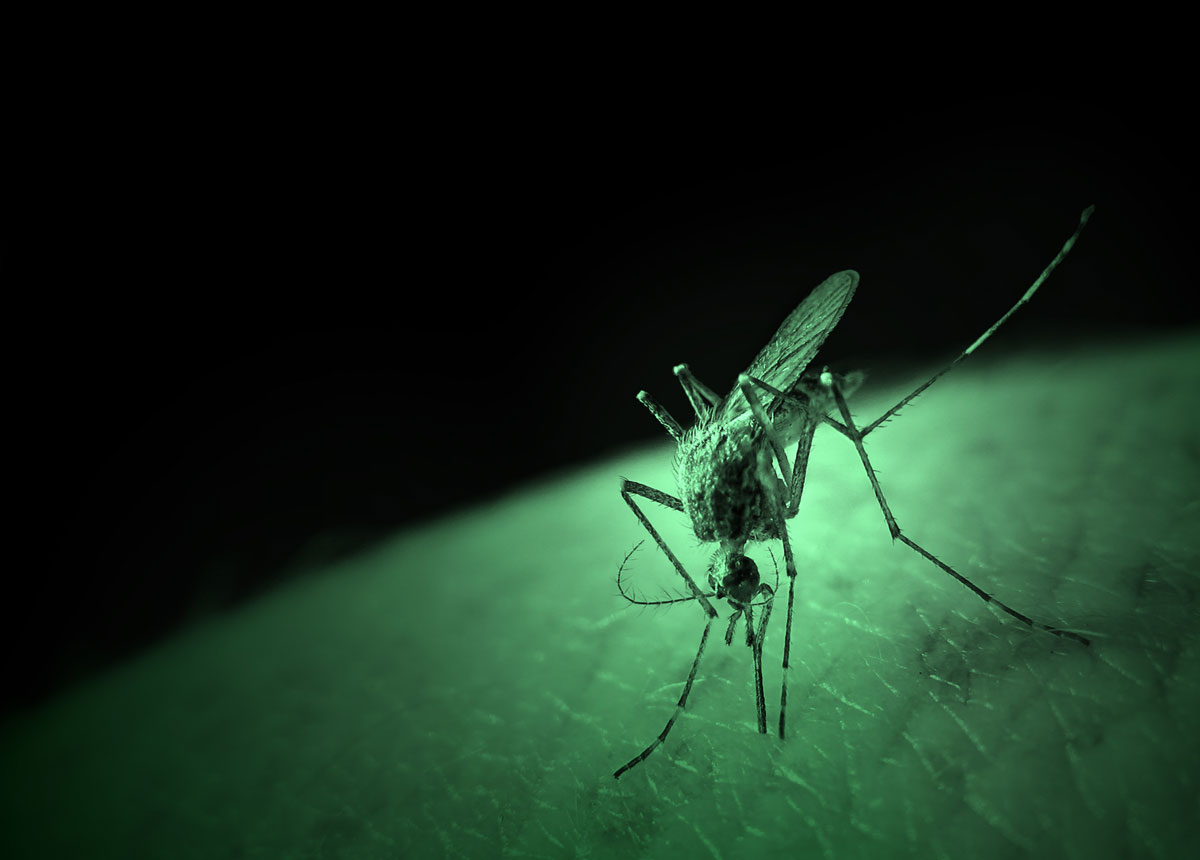
A virus that most clinicians outside Latin America had never encountered five years ago continues to expand its footprint across the Western Hemisphere. Oropouche virus, a mosquito- and midge-borne pathogen capable of causing debilitating febrile illness, has now been confirmed in Venezuela for the first time, adding another country to an outbreak landscape that has been reshaping the region’s arboviral disease burden since 2022.
The findings come from researchers at two Venezuelan research institutions, the Instituto Nacional de Higiene and the Instituto Venezolano de Investigaciones Científicas, both in Caracas. Their report, published in the CDC journal Emerging Infectious Diseases, describes the detection of five confirmed Oropouche virus cases across two Venezuelan states during the first quarter of 2025, with two additional infections identified in April of that year.
The cases, distributed between Miranda and Portuguesa states, were identified through an expanded arboviral surveillance protocol that Venezuelan laboratories began implementing in 2024. When patient samples tested negative for dengue, chikungunya, and Zika viruses, roughly one in four were forwarded for additional testing targeting Mayaro and Oropouche viruses by quantitative reverse transcription PCR. That systematic second-tier testing is what surfaced the detections. Researchers then collected patient serum in the acute phase of illness and performed full genome sequencing on an Illumina platform, depositing sequences into both GISAID and GenBank.
Phylogenetic analysis of all three genomic segments placed the Venezuelan isolates within the OROVBR2015-2024 clade, the dominant lineage driving current outbreaks across the region. The sequences showed the closest similarity to isolates from Cuba, which experienced a large outbreak of 626 confirmed cases in 2024 that remained ongoing into 2025, though some genomic features of the small segment also linked the Venezuelan strains to Brazilian sequences. Notably, none of the five patients reported recent travel outside Venezuela, which points toward autochthonous transmission rather than importation, even as the phylogenetic evidence suggests the virus arrived from neighboring outbreak zones at some earlier point.
Venezuela is in the midst of a prolonged dengue epidemic, and the authors are explicit about the diagnostic friction this creates. Oropouche infection is clinically indistinguishable from dengue in many presentations, meaning that febrile patients whose illness is attributed to dengue or who are never tested may represent an invisible layer of Oropouche transmission. Asymptomatic infection, documented in other outbreak settings, compounds this further.
Sources and further reading:
D’Angelo P, et al. Emergence of Oropouche Virus, Venezuela, 2025. Emerging Infectious Diseases, 20 August 2026.
This article was researched and sourced by Global Biodefense editors and reported with Claude AI assistance for drafting and editing.