

A disease not seen in U.S. commercial pig herds for more than 20 years has prompted a coordinated federal and state response — and early containment steps appear to be yielding results. The U.S. Department of Agriculture’s Animal and Plant Health Inspection Service (APHIS), working alongside the Iowa Department of Agriculture and Land Stewardship (IDALS), has lifted movement restrictions within the five-mile surveillance zone established around an Iowa swine facility after all premises in that zone completed initial testing with no further detections of pseudorabies virus (PRV).
The outbreak was confirmed on April 30, 2026, when APHIS National Veterinary Services Laboratories detected PRV antibodies in a small commercial swine facility in Iowa — the first known case in commercial swine since the disease was eradicated from that sector in 2004. Traceback investigations identified five affected boars that had originated from an outdoor facility in Texas, where animals also tested positive. The detection was made through routine surveillance testing, not pre-movement screening.
A Disease Eradicated From Commercial Herds — Until Now
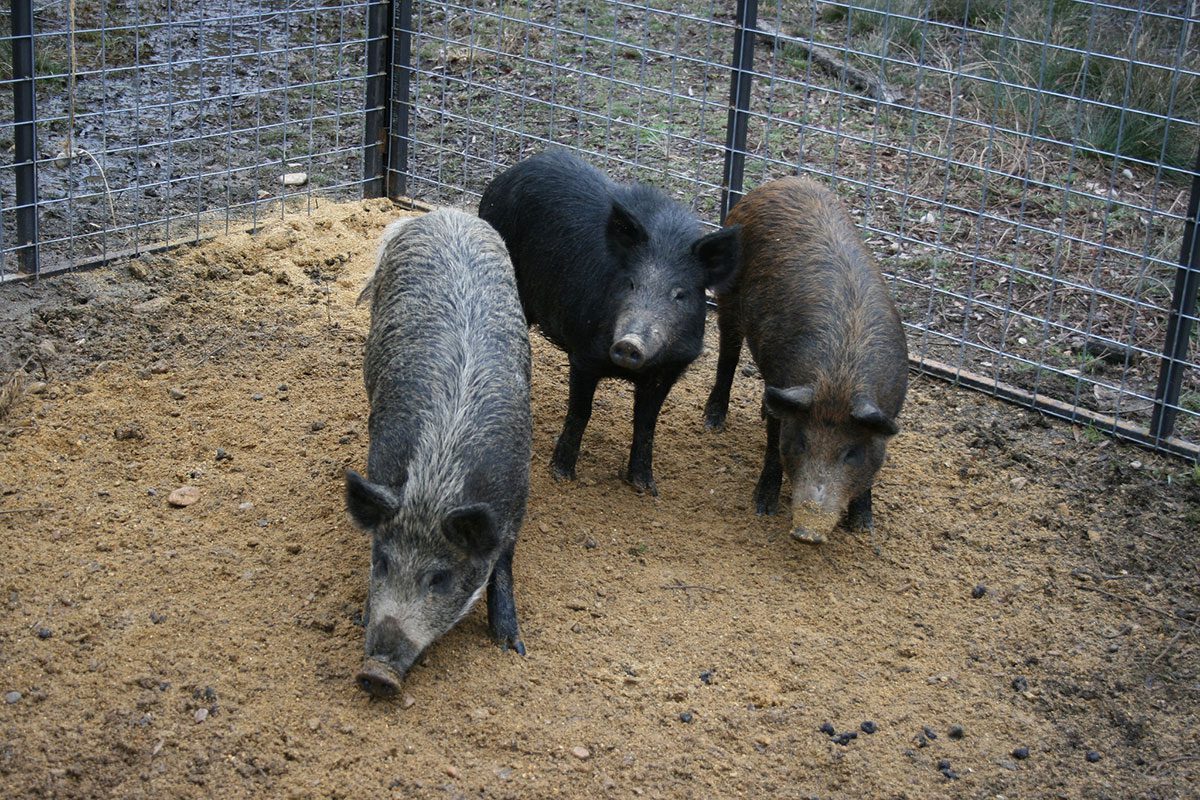
Pseudorabies, caused by a herpesvirus, is a contagious viral disease affecting swine and many other mammals. Pigs are the only natural hosts, and the virus can cause serious illness — particularly in young animals — leading to significant production losses. Humans, horses, and birds are considered resistant to infection. Although the commercial swine industry achieved eradication in 2004, PRV has persisted in feral swine populations across the United States, and occasional spillover into outdoor production herds where contact with feral pigs is possible has remained a known risk.
The Iowa case appears consistent with that spillover pathway. The Texas source herd operated as an outdoor facility, a production system that carries elevated exposure risk due to potential contact with feral swine. All animals from both the Iowa index herd and the Texas source herd have since been depopulated and properly disposed of. Cleaning and disinfection of the Iowa premises were completed on May 12, 2026.
Testing Milestones and What Remains Restricted
The May 15 APHIS update marks a meaningful but partial milestone in the response. The lifting of movement restrictions across the five-mile surveillance zone reflects negative results from the first round of testing at all premises in that broader area. However, the two-mile surveillance zone immediately surrounding the index herd remains under active movement restrictions, as does any herd with confirmed direct exposure to either the Iowa or Texas positive sites.
Under the response protocol, all premises within the two-mile zone and all exposed herds must complete a second round of testing between 30 and 60 days after the Iowa premises were cleaned and disinfected — placing that window between June 12 and July 11, 2026. Movement restrictions for those sites will remain in place until negative results from the second testing round are confirmed. No additional commercial sites have been identified as having direct exposure to either the Iowa facility or the Texas source herd.
Trade and Food Safety Implications
APHIS and the USDA Food Safety and Inspection Service (FSIS) have both emphasized that this detection does not pose a risk to consumer health and does not affect the safety of the commercial pork supply. Pork that passes federal inspection remains safe to eat. However, officials acknowledge there may be limited, short-term impacts on U.S. exports of swine, swine genetics, and certain animal products. USDA is working with international trading partners to clarify the situation and mitigate disruption, and FSIS has indicated it will update relevant export library documentation as affected product certificates are identified.
The case serves as a pointed reminder of the vulnerabilities that remain even in disease systems considered eradicated. The persistence of PRV in feral swine reservoirs — and the risk that outdoor production systems represent a bridge between those reservoirs and commercial herds — underscores the ongoing importance of surveillance infrastructure and producer biosecurity practices. APHIS urged producers to maintain strong biosecurity protocols as the most effective defense against pseudorabies and other emerging animal health threats.
Sources and further reading:
Pseudorabies Response Update: APHIS Lifts Movement Restrictions Within the 5-Mile Surveillance Zone in Iowa May 15, 2026
APHIS Confirms Pseudorabies in Swine Herds in Iowa May 1, 2026
USDA Confirms Pseudorabies in Swine Herds in Iowa and Texas April 30, 2026