

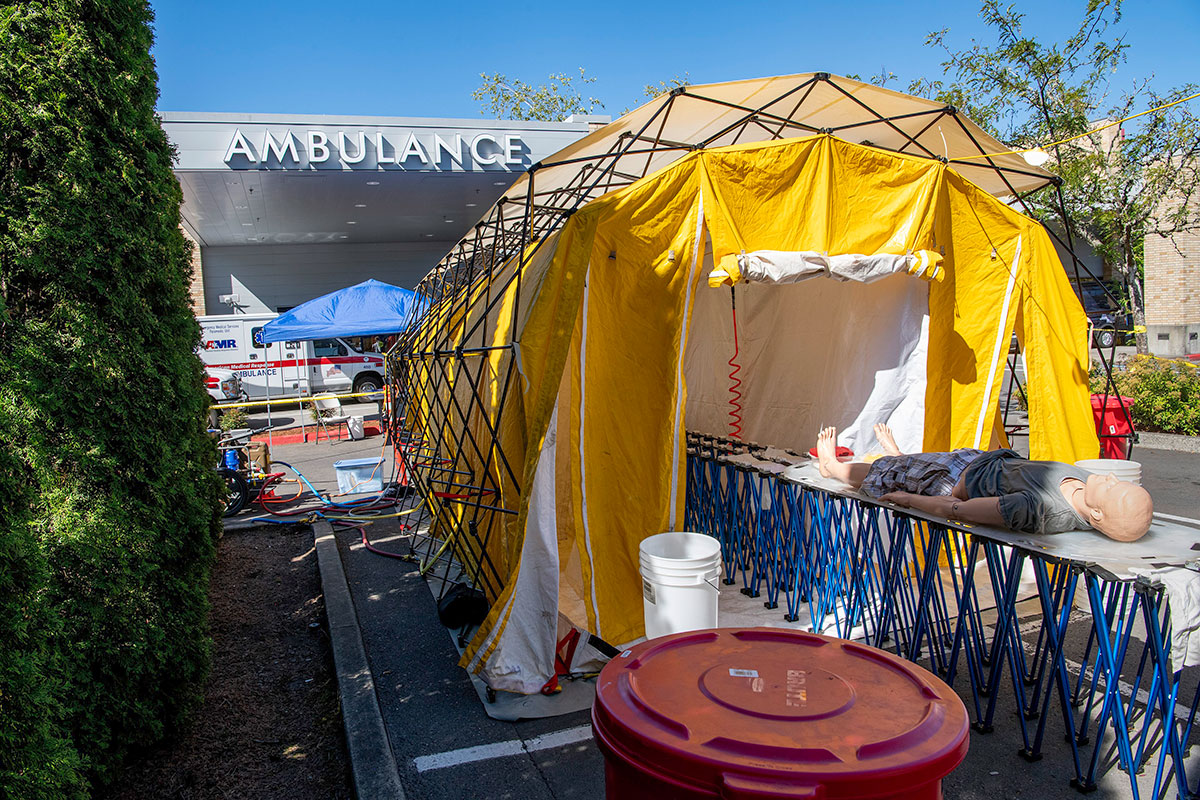
Frontline health workers responding to chemical exposure incidents now have updated, evidence-based guidance to rely on, as the World Health Organization has released a revised interim clinical protocol for managing patients exposed to chemical weapons or hazardous toxic substances. Published June 4, 2026, the update reflects more than a decade of new scientific evidence and hard-won lessons from recent chemical incidents worldwide.
The 2026 revision builds on WHO’s original 2014 clinical guidance, incorporating findings from a rapid systematic review of literature published through March 2026. The update covers the clinical management of a broad range of toxic exposures, including chemical weapons agents, toxic industrial chemicals such as chlorine and phosgene, riot control agents like tear gas, and incendiary substances such as white phosphorus.
What Has Changed Since 2014
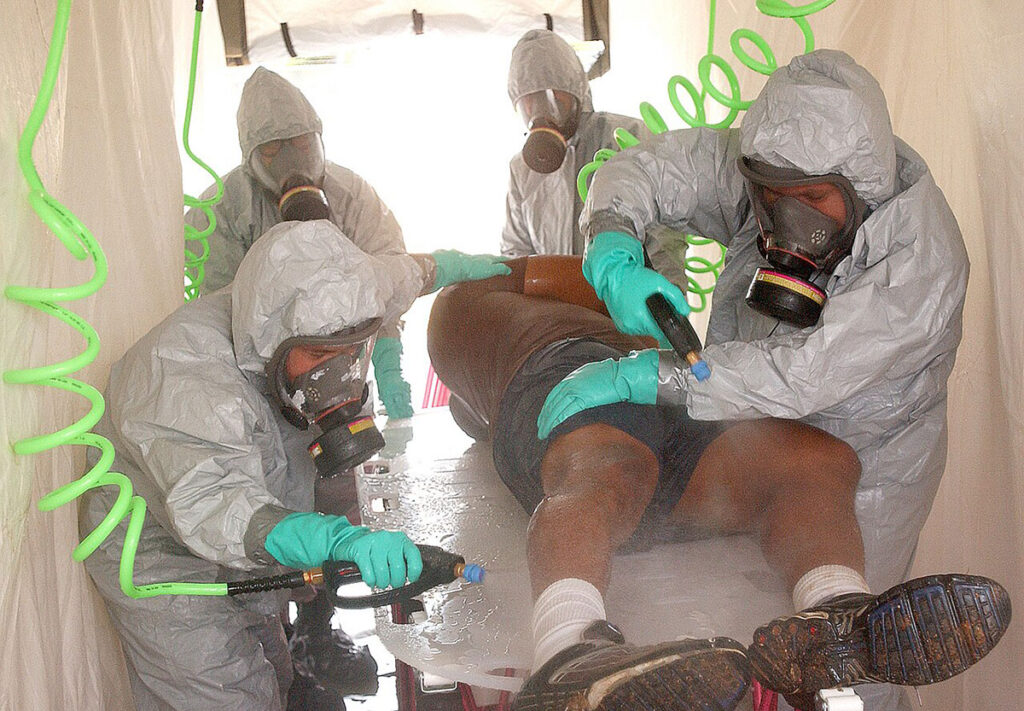
Among the most significant updates are refined decontamination procedures and updated treatment protocols for toxic industrial chemicals. The guidance also expands clinical considerations for riot control agents and white phosphorus, both of which have seen increased use in conflict and protest settings in recent years. Clinical algorithms, symptom tables, and treatment protocols have all been revised while preserving the user-friendly format of the original document.
A core principle reaffirmed throughout the guidance is the priority of lifesaving care: immediate threats to airway, breathing, and circulation must be addressed without delay, provided responders are adequately protected. The update was specifically designed to remain applicable in resource-limited and mass casualty settings, a critical consideration for health systems operating under conflict conditions or with constrained infrastructure.
The guidance is intended for health-care workers who may receive chemically exposed patients in emergency departments, hospitals, and other facilities, including situations where prior decontamination has not occurred.
Conflict Zones and Industrial Sites Drive Urgency
The release comes against a backdrop of documented chemical incidents tied to armed conflicts, where civilian populations including children, women, and displaced persons face heightened risk from both deliberate and accidental toxic releases. WHO applies what it calls an “all hazards approach,” emphasizing that the same core principles, including early recognition, worker protection, rapid decontamination, structured triage, and timely antidotal care, apply regardless of whether a chemical release is natural, accidental, or intentional.
The Chemical Weapons Convention, with 193 States Parties and implemented by the Organisation for the Prohibition of Chemical Weapons, prohibits the development, production, stockpiling, and use of chemical weapons. However, the persistence of chemical incidents underscores the ongoing need for robust clinical and emergency response preparedness.
WHO has already applied a “map and prioritize” strategy in practice. In Ukraine, at the request of the Ministry of Health, the agency trained more than 2,800 responders and supported over 25 medical facilities in chemical incident preparedness.
Broader Preparedness Tools Available to Member States
Beyond the clinical guidance document, WHO offers a suite of preparedness resources, including a three-part online course series on chemical hazards and a factsheet on white phosphorus. The guidance was developed through expert consultation involving specialists in clinical toxicology, emergency medicine, and chemical incident response. Canada’s Weapons Threat Reduction Program provided financial support for the development of the full suite of WHO chemical preparedness products.
Gaps in specialized training and clear referral pathways remain among the most critical barriers to effective chemical incident response, and those gaps carry life-or-death consequences. For public health professionals, emergency planners, and national health ministries, this updated guidance represents a practical, internationally vetted resource for strengthening preparedness protocols. WHO is urging Member States, emergency services, and training institutions to integrate the guidance into national clinical protocols and training programs, reinforcing that chemical preparedness is a core component of health security, not a niche specialty concern.
Sources and further reading:
Empowering health-care workers to save lives after toxic chemical exposures: WHO interim clinical guidance