

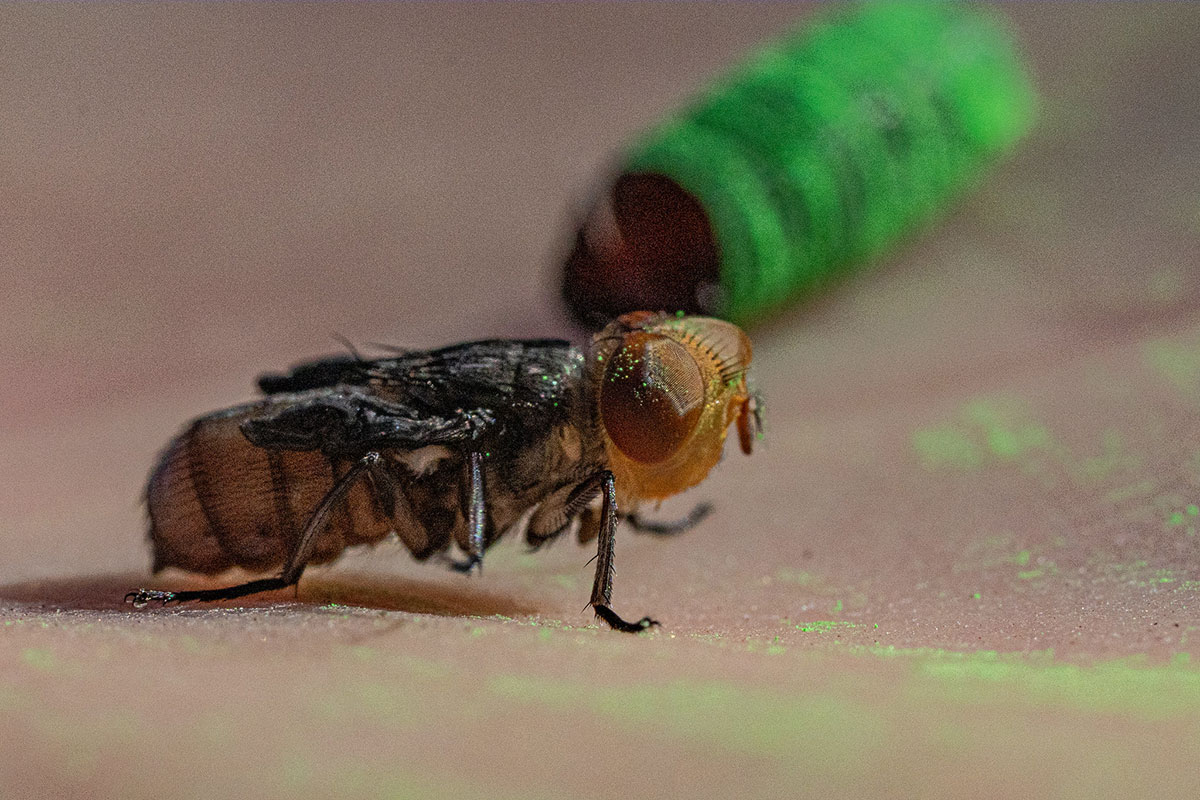
Nearly one million sterile flies are being released across a swath of West Texas as federal responders work to contain a confirmed New World Screwworm (NWS) infestation in Tom Green County. The operation, documented on June 17, 2026, in San Angelo, Texas, represents the ground component of a broader, coordinated federal effort to prevent the parasitic pest from gaining a foothold in the United States.
The U.S. Department of Agriculture’s Animal and Plant Health Inspection Service (USDA APHIS), working alongside the U.S. Public Health Service and other federal, state, tribal, and local partners, is deploying specially designed ground release chambers to disperse sterile screwworm flies across the affected region. The campaign complements parallel aerial release missions operating elsewhere in the state and is part of an integrated national response strategy.
How the Sterile Insect Technique Works in the Field
The operation relies on the Sterile Insect Technique (SIT), a proven biological control method that suppresses wild pest populations by flooding an area with sterile males that mate with wild females but produce no viable offspring. Sterile screwworm pupae are shipped from a production facility in Panama, kept chilled in coolers to maintain dormancy during transport, and then couriered to operations in Texas.
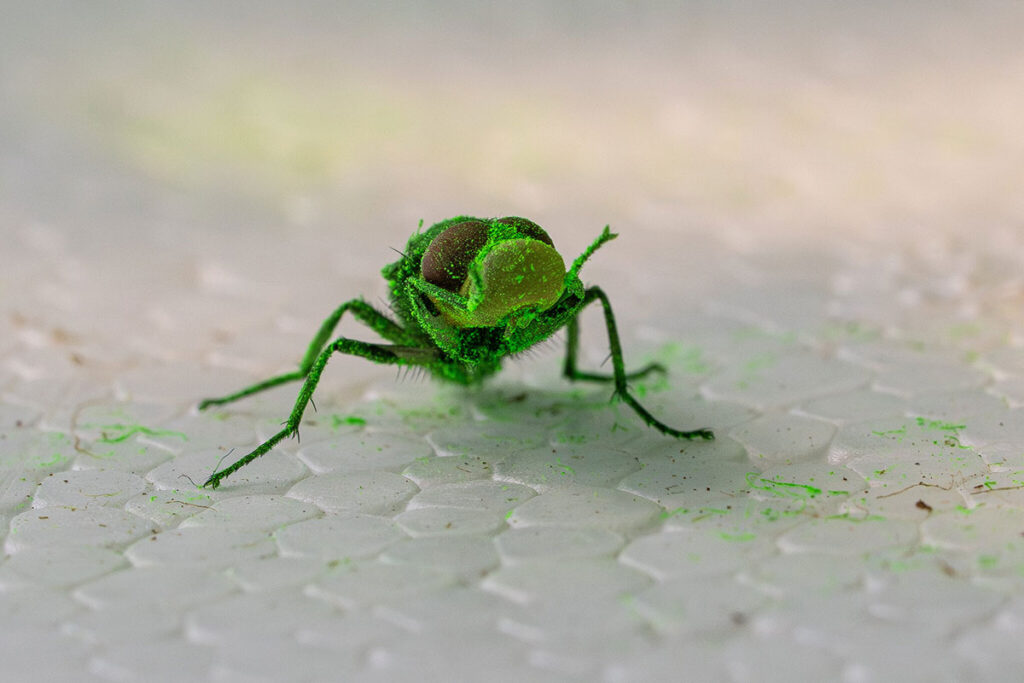
Upon arrival, ground teams measure precise quantities of pupae, coat them with a non-toxic fluorescent green dye, and return them to coolers overnight. The dye serves a dual scientific purpose: it allows researchers to distinguish released sterile flies from any wild flies captured in traps deployed throughout the region, and it helps measure dispersal efficiency.
Read more stories on New World Screwworm.
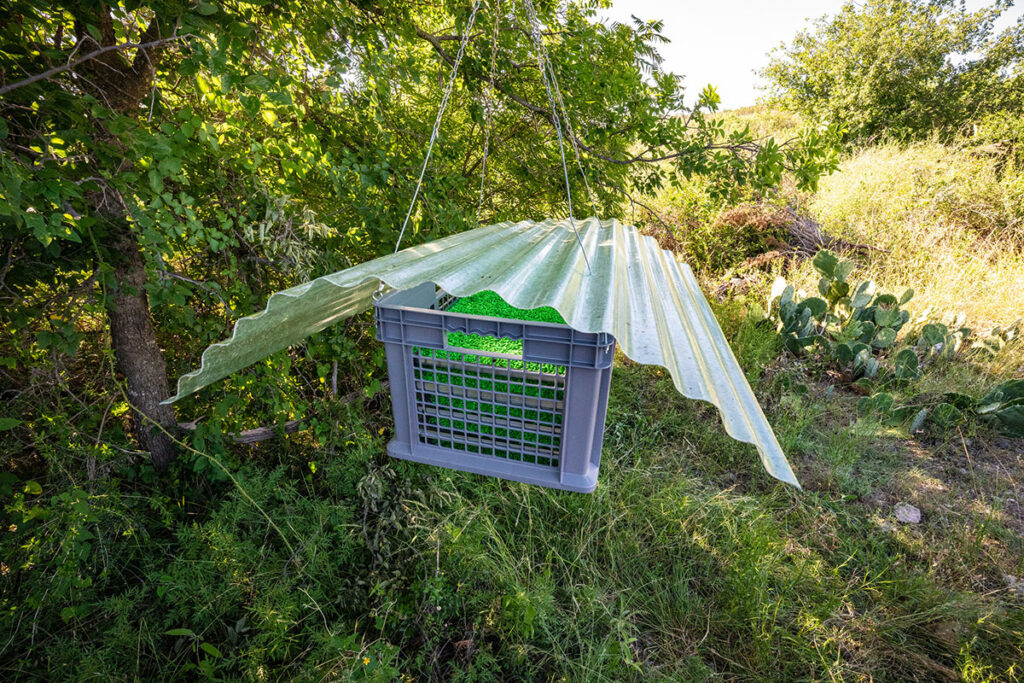
Before morning release operations begin, teams identify and hang the ground release chambers at predetermined field sites. Each chamber contains five internal wire mesh trays designed to hold the dormant, dye-coated pupae while allowing newly emerged flies to move freely into the surrounding environment. A 10-by-10 grid container inside each chamber remains in place after dispersal, providing a count of successful emergences and an estimate of the proportion of male flies released, critical data for assessing operational effectiveness.
As ambient temperatures warm in the morning hours, the pupae begin emerging rapidly, initiating natural dispersal into the field. As of June 17, 12 ground release chambers were operating across the San Angelo area in a single cycle, collectively releasing just under one million sterile flies.
A Multi-Agency Strike Team on the Ground
The field team documented in the operation, designated Strike Team 2 in San Angelo, illustrates the depth of the interagency response. Personnel include USDA APHIS Veterinary Services Animal Health Technician Marielisa Ortiz, U.S. Public Health Service Veterinary Medical Officer Dr. Itza A. Angelina Williams, USDA APHIS Plant Protection and Quarantine Officer Stuart Hainey, and USDA APHIS Veterinary Services Program Assistant David Dorozynski.
This ground-based team operates in coordination with two additional teams conducting aerial release missions elsewhere in Texas, reflecting the scale and complexity of the response.
Why Screwworm Containment Is a National Security Priority
New World Screwworm (Cochliomyia hominivorax) is a devastating livestock and wildlife parasite. Its larvae feed on living tissue, causing severe injury and death to affected animals if left untreated. The United States successfully eradicated NWS domestically decades ago through sustained SIT campaigns, and a biological barrier maintained in Panama has long served as the first line of defense against northward reinfestation.
A confirmed case in Tom Green County signals a serious breach of that buffer and underscores the ongoing threat to U.S. livestock industries, wildlife populations, and by extension, food security and rural economies. Federal officials have framed the response in explicit national security terms, noting that protecting U.S. livestock and wildlife is a national priority requiring unified action across federal, state, tribal, local, and industry partners.
Sources and further reading:
Ground Release Chamber Operations Support New World Screwworm Response in San Angelo, Texas