

A comprehensive analysis of human immunity to influenza viruses circulating in U.S. swine has identified multiple strains that could spark human pandemics even with lower transmissibility than any recorded pandemic strain, because of widespread population immunity gaps.
Researchers tested blood samples from swine veterinarians, farm employees, and general populations in Philadelphia and Hong Kong against representative strains of swine influenza circulating during 2021-2022. The findings reveal significant gaps in population immunity against strains endemic to U.S. commercial swine farms, with particular vulnerabilities among workers with direct swine exposure. The study assessed pandemic potential by calculating the minimum transmissibility threshold each strain would need to overcome existing immunity and establish sustained human-to-human transmission.
Three influenza virus subtypes are endemic to U.S. commercial swine farms: H1N1, H1N2, and H3N2. These viruses contain genetic material from decades of human-to-swine transmission events, creating diverse lineages with varying pandemic potential. The H1 viruses include classical swine strains that emerged around the 1918 pandemic, pre-2009 human seasonal spillovers, and Eurasian-origin lineages. H3 viruses were introduced into swine populations in the 1990s and 2010s from circulating human seasonal strains. During 2021-2022, the most frequently detected strains included H1 classical swine lineages and H3 variants derived from multiple decades of human spillover.
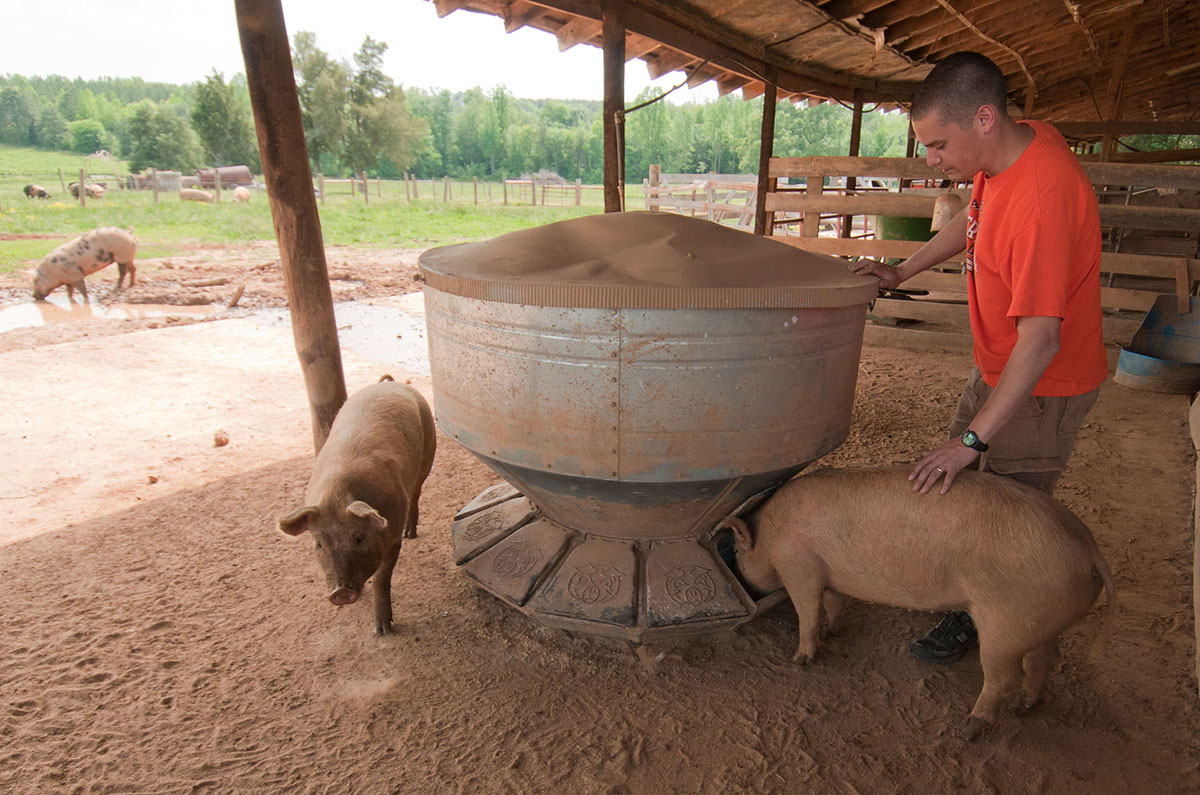
The analysis uncovered a counterintuitive pattern: occupational groups with regular swine contact showed significantly lower antibody protection against contemporary swine flu strains than the general population, contrary to expectations that repeated exposure would confer immunity. This vulnerability stems primarily from markedly lower influenza vaccination rates among farm workers. Only about 30% of farm employees reported receiving seasonal flu vaccination, compared to 51% nationally and nearly 100% among the vaccinated Philadelphia cohort. Swine veterinarians similarly reported lower vaccination rates at 61% despite their occupational exposure.
Vaccination emerged as the strongest determinant of immunity across all analyzed strains. People who received seasonal flu shots showed significantly higher odds of having protective antibody levels, underscoring the importance of vaccination as a primary defense against spillover risk. Yet despite vaccination, substantial portions of all cohorts lacked detectable antibody protection against several swine strains.
Four swine influenza strains demonstrated reproduction number thresholds below 1.46, the estimated reproduction number of the 2009 H1N1 pandemic that killed over 150,000 people globally. Two strains in particular exhibited minimum R0 thresholds of 1.09 and 1.11 respectively. These represent the lowest pandemic thresholds ever documented for influenza, meaning these strains could theoretically establish human pandemic spread with lower inherent transmissibility than any historical pandemic virus. Both strains were detected consistently across multiple U.S. states and together represented more than one-quarter of swine influenza detections during the study period.
The analysis also identified significant antigenic drift in one strain, which differed by 3.62 antigenic units from the nearest human vaccine strain. At this degree of divergence, existing vaccines would likely provide minimal cross-protection. About 69% of study participants showed protective antibody levels that were substantially mismatched to this circulating swine strain.
Beyond vaccination status, demographic factors influenced immunity patterns. People born between 1978 and 2003 showed higher seropositivity to swine strains, likely reflecting exposure during the timing of major human-to-swine spillover events decades earlier. This finding suggests that historical exposures create lasting immunological memory that can cross-react with contemporary strains.
The research underscores a practical vulnerability in occupational health. Swine farm workers, despite their heightened exposure to these viruses, have the lowest vaccination coverage and are therefore among the most susceptible to zoonotic infection. If a swine influenza strain acquired the ability to transmit efficiently between humans, farm workers would represent both a likely initial infection point and a population with limited defensive immunity.
The study applied the CDC’s Influenza Risk Assessment Tool framework, which evaluates zoonotic threat by measuring population immunity gaps and antigenic distance from known vaccine strains. The findings suggest that certain swine strains warrant priority inclusion in pandemic preparedness vaccine stockpiles given their low transmissibility thresholds and poor antigenic match to existing vaccines. Regular assessment of circulating swine strains and updating of pandemic vaccine candidates would be warranted based on these results.
Sources and further reading:
Snyder CA, Janzen GM, Zanella G, et al. Occupationally Exposed and General Population Antibody Profiles to Influenza A Viruses Circulating in Swine as Indication of Zoonotic Risk. Emerging Infectious Diseases, July 15, 2026.
This article was researched and sourced by Global Biodefense editors and reported with Claude AI assistance for drafting and editing.