

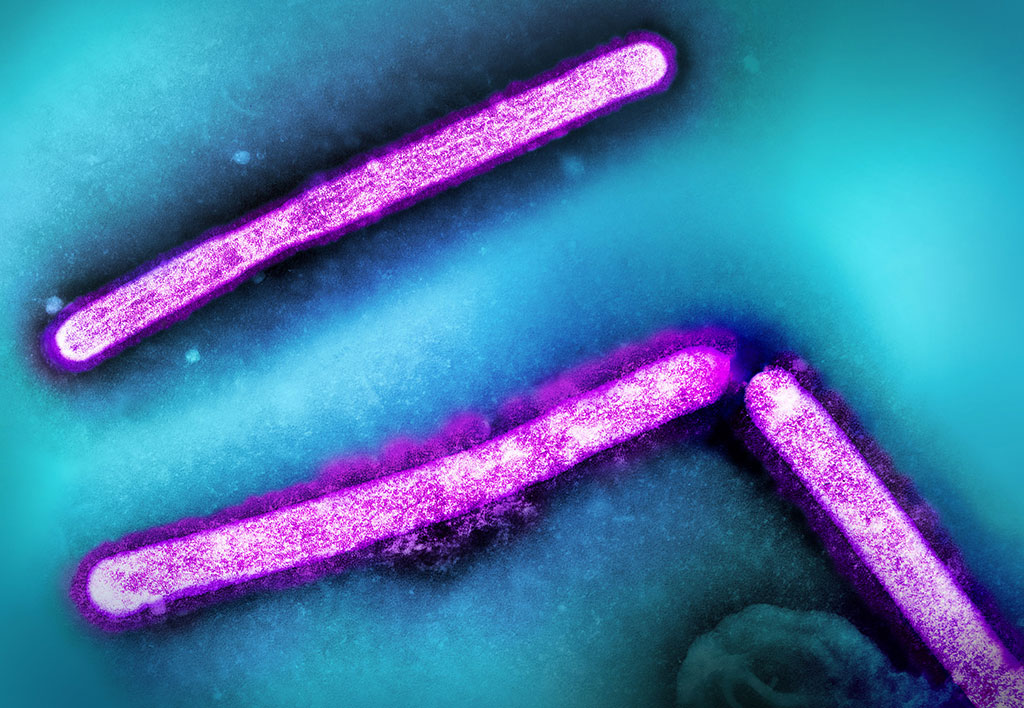
The first dose of an investigational mRNA vaccine against H5N1 avian influenza has been administered in the United Kingdom, marking the start of a large-scale phase 3 clinical trial designed to bolster pandemic preparedness before the virus poses a direct human threat. The trial, launched on April 22, 2026, represents one of the most significant proactive steps yet taken in anticipation of a potential H5N1 pandemic.
The study is sponsored by Moderna and supported by the National Institute for Health and Care Research (NIHR), forming part of a broader UK government strategic partnership managed by the UK Health Security Agency (UKHSA). It also benefits from collaboration with the Coalition for Epidemic Preparedness Innovations (CEPI). Approximately 4,000 adult volunteers aged 18 and older will participate across 26 UK sites and additional locations in the United States, with 75 percent — around 3,000 participants — recruited in the UK. The trial will prioritize enrollment of adults over 65 and poultry farmers, who face the highest risk of exposure to H5N1.
A Pre-pandemic Vaccine Trial
H5N1 avian influenza has been spreading globally in wild birds, domestic poultry, and increasingly in mammals, including dairy cattle in the United States. Since 2024, there have been 116 confirmed human cases worldwide, almost all linked to close contact with infected animals. While human-to-human transmission remains rare, public health officials and virologists have consistently flagged the risk that the virus could mutate to become more transmissible among people — a development that could trigger a pandemic with severe consequences, given that most of the global population has no pre-existing immunity to H5N1 strains.
The investigational vaccine, designated mRNA-1018, uses the same platform technology that proved decisive during the COVID-19 pandemic. It delivers genetic instructions that prompt the body to produce the hemagglutinin (HA) surface protein of the H5N1 virus, enabling the immune system to generate antibodies capable of neutralizing the virus if encountered in a real infection. Because there is currently no widespread H5N1 disease in humans, the trial will measure efficacy through an established immunological correlate of protection — the hemagglutination inhibition (HAI) assay — rather than direct clinical endpoints.
Phase 3 Trial Design
The phase 3 trial will evaluate safety, tolerability, and immunogenicity. Participants will receive two doses of either the vaccine or a placebo, with intensive safety monitoring in the first seven days post-vaccination, continued surveillance through one month, and follow-up extending to 205 days from enrollment. The sample size of 4,000 participants is considered sufficient to detect meaningful immune responses.
Prof. John Tregoning of Imperial College London, commenting for the Science Media Centre, noted that the trial methodology is sound and the design reflects lessons learned from the COVID-19 pandemic. “One of the key lessons from COVID was that speed of response is critical for saving lives,” he said. “Doing a large-scale human vaccine trial for H5N1 now allows for a more rapid scale-up of response if the virus spreads in the future.”
Prof. Ed Hutchinson of the MRC-University of Glasgow Centre for Virus Research highlighted a particular advantage of the mRNA platform for pandemic preparedness: “mRNA vaccines can be very rapidly fine-tuned to match a specific strain and then manufactured at scale” — a critical attribute given that H5N1 is constantly mutating.
Speed and Infrastructure as Strategic Assets
A notable feature of this trial launch is the speed of its setup. The first participant was enrolled in less than half the government’s 150-day target for clinical trial initiation — a benchmark that itself was recently reduced from a prior average of 169 days. The trial is being delivered through the UK Vaccine Innovation Pathway, a national clinical trial accelerator designed to move research closer to communities rather than concentrating it in hospital settings. Enrollment sites span community clinics across England and Scotland.
Laying the Groundwork to Save Lives
Pandemic influenza — particularly from H5N1 lineages — remains among the highest-consequence biological threats identified by public health authorities worldwide. Having a validated mRNA vaccine candidate with established safety and immunogenicity data in hand before a pandemic begins could compress the timeline from outbreak detection to mass vaccination by months. That lead time could be decisive in limiting mortality and preventing health system collapse.
The trial also demonstrates the strategic value of pre-negotiated public-private partnerships. The Moderna-UK government arrangement, managed through UKHSA and supported by CEPI, enabled rapid trial initiation and reflects a model other governments may look to replicate as they evaluate their own pandemic readiness infrastructure.
No efficacy or safety results are yet available. As the trial progresses, findings will inform whether mRNA-1018 could be rapidly deployed — and potentially strain-adapted — in the event of a confirmed H5N1 pandemic emergence.
Sources and further reading:
Launch of new mRNA vaccine candidate against H5N1 bird flu – Science Media Center
Bird flu vaccine trial launches to prepare for potential pandemic – NIHR